It’s been a year since Esquire landed in India—and what a year it’s been. From big, culture-shaping cover interviews to quietly personal essays that stayed with you long after the scroll, our editors spent the past twelve months doing what Esquire does best. This story looks back at some of the best pieces we published in our first year—from conversations with icons and cultural reckonings, to sharp observations about modern masculinity, intimacy, anxiety and how we live now.
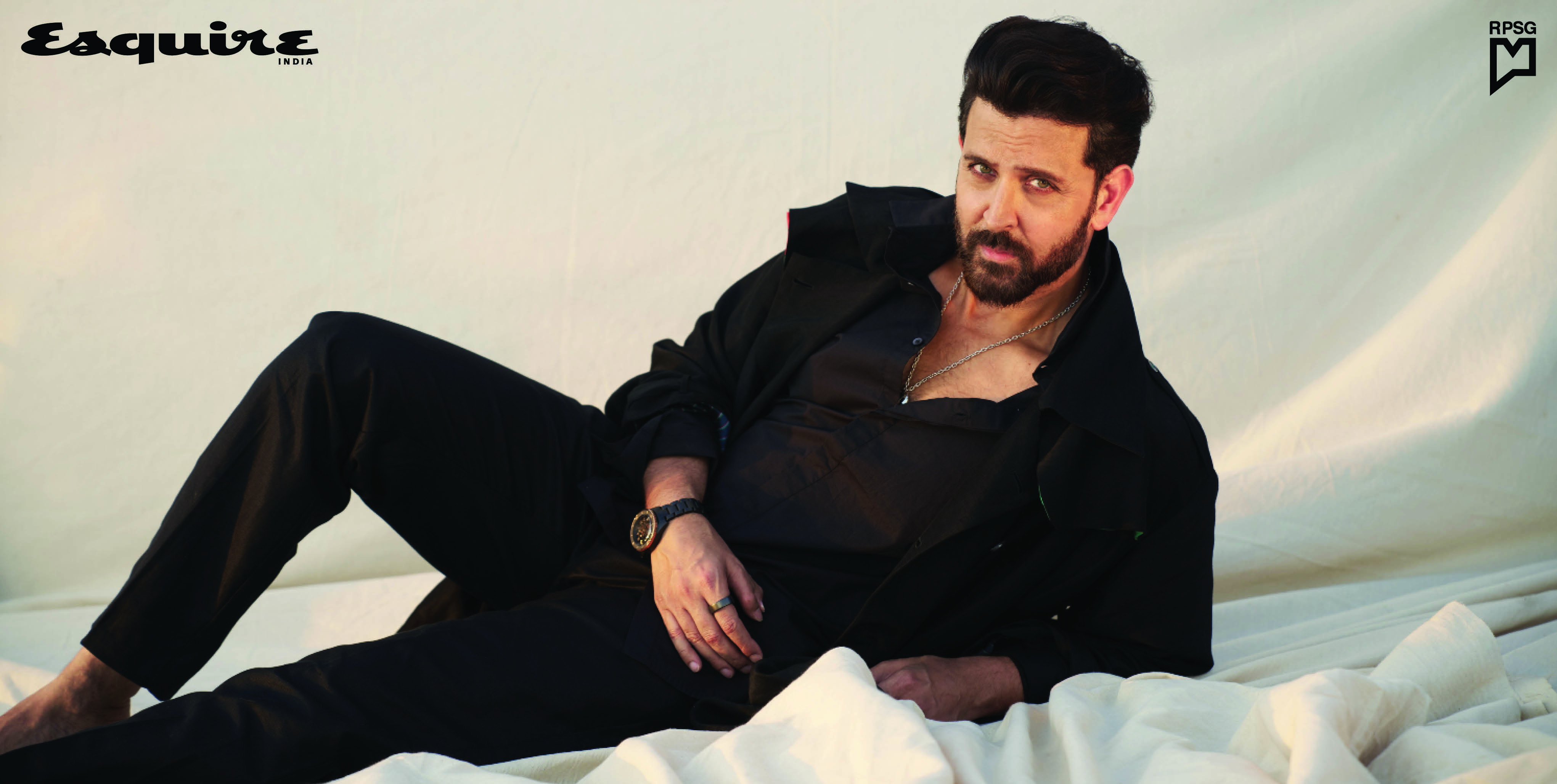
The Myth, The Man, The Moment: Hrithik Roshan’s Interview For Esquire India’s Launch Issue
Long silk coat from The Inventory by Suket Dhir; shirt by Rajesh Pratap Singh; neckpiece by Hermès; watch by RadoPhoto by Tarun Vishwa
There could not have been a more fitting first cover star for Esquire India than Hrithik Roshan. In what felt like a cultural launch moment as much as a magazine debut, Roshan sat down with Editor-in-Chief Rahul Gangwani for a cover interview that peeled away the mythology without diminishing it. Moving between superstardom, discipline, self-doubt, and the quiet work of becoming comfortable with imperfection, the conversation revealed a man who had long stopped chasing his own image.
You can read the story here.
What It Meant To Be A Man In 2025
In this definitive Esquire India roundtable-in-text, our editors tracked the many lives modern manhood lived over the year: scored and ranked online, softened with skincare and therapy, shredded with Ozempic and smart rings, sexualised, side-eyed, and occasionally sent to HR. From golden retriever boyfriends and AI besties to micro watches, dad-core and the loud comeback of bro-professionalism, the piece captured a culture in flux and contradiction. Witty, unsentimental, and unapologetically plugged in, it stood for what Esquire has always done best—reading the moment without moralising it, and admitting that in 2025, being a man wasn’t about having it figured out, but surviving the discourse with your sense of self intact.
You can read the story here.
R. Madhavan On Dhurandhar & Why He Was Expecting the Reactions It’s Getting
R MadhavanInstagram/NetflixIn
In a candid interview with Esquire India, R. Madhavan didn’t defend Dhurandhar as much as he contextualized it – placing its backlash, polarisation, and eventual cultural noise within a career that has quietly thrived on friction. What began as a discussion around box-office success turned into a conversation around fear, creative loneliness, and the burden of being taken “seriously” after three decades in cinema. Madhavan spoke with the rare clarity about why divisive films matter, why discomfort is a sign of progress, and how actors must resist the temptation to be liked.
You can read the story here.
Gulzar: The 10 Commandments That Shaped My Life
At 90, Gulzar is still Hindi cinema’s most influential and prolific screenwriter—with four credits in four projects in 2023 (Kuttey, Ponniyin Selvan: II, Khufiya and Sam Bahadur) alonePhoto by Haresh Daftary
Who better to distill a lifetime of hard-earned wisdom than Gulzar? In this quietly beautiful entry from Esquire India’s What I’ve Learnt series, the poet looked back on faith, fate, language, loss, and the long, unfinished act of becoming. Moving effortlessly between childhood memories shaped by Partition, a lifelong scepticism of God, and the discipline of staying relevant in a changing world, Gulzar reflected on what time does—to people, to poems, to belief itself.
After all… “Sab pe aati hai, sab ki baari se / Maut munsif hai, kam-o-besh nahin / Zindagi sab pe kyon nahin aati?
You can read the story here.
How I Learned to Stop Worrying and Love the Cosmos
In this deeply personal essay, Esquire India copy editor Prannay Pathak wrote about something most people joke about but rarely sit with—the fear of looking up. What started as a confession about his astrophobia unfolded into a strange, funny, and unsettling account of standing under the stars and realising just how small everything is. What began as a stargazing retreat in the Himalayas slowly became an exercise in sitting with discomfort rather than conquering it.
You can read the story here.
What Happens When Everyone Smells Good, But No One Smells Like Themselves?
In this beautiful essay, Esquire India deputy editor Mayukh Majumdar wrote about scent not as status or a trend, but as memory, desire, and identity. Beginning with a boy in Class 6A and a whiff of Davidoff Cool Water, the piece drifted through petrichor, perfume wardrobes, Internet-approved favourites and the slow disappearance of the signature scent. What emerged wasn’t nostalgia for gatekept fragrances, but a gentle grief for individuality—when smelling good became universal, and smelling like yourself became rare. Thoughtful, personal, and deeply Esquire, the story asked a deceptively simple question: in a world where everyone smells expensive, what does intimacy smell like now?
You can read the story here.
How Does Dino Morea Look This Good At (Almost) 50?
Dino MoreaPhoto by Sasha Jairam
In this refreshing conversation, Esquire India’s digital editor Saurav Bhanot caught up with Dino Morea to talk ageing, vanity, and the not-so-glamorous reality behind looking effortlessly good at nearly 50. Beyond the Italian genes and long-standing heartthrob status, the interview revealed a man stubbornly committed to the basics—movement every day, lifting heavy, cold showers, and the kind of consistency that doesn’t photograph as well as the results do.
You can read the story here.
The Lost Art Of Carrying A Handkerchief
One of our Esquire India digital writers looked back at a small habit that once defined an entire generation of men: the simple act of carrying a handkerchief. Through memories of her father and grandfather—men for whom a folded cotton handkerchief was as essential as keys or a wallet—the piece traced how the hanky functioned as more than hygiene.
You can read the story here.
Sharmila Tagore on Crossing Thresholds, Challenging Norms And Cinema’s Enduring Magic
Esquire India sat down with Sharmila Tagore—a woman whose life and career have been defined by crossing thresholds, often before the rest of the country was ready. Speaking from Cannes, where Aranyer Din Ratri returned to the spotlight, Tagore reflected on beginnings, bravery, and the many tightropes she walked: between Bengali and Hindi cinema, art and stardom, tradition and rebellion.
You can read the story here.
I Have A Digital Wingman (And It’s Spoilt Me A Little)
Ah, the age of the Internet, AI, and outsourcing our love quandaries. In this witty essay, Esquire India copy editor Prannay Pathak confessed to outsourcing his dating dilemmas to a very modern confidant: a customised version of ChatGPT he’d nicknamed Chuck. Funny and self-aware, the piece toyed with a very contemporary question: when your AI wingman understands you a little too well, is that emotional progress or just better-lit overthinking?
You can read the story here.
Is Knowing When To Rest The Most Overlooked Skill In Flying?
It's been an interesting week in Indian aviationUnsplash
As India grappled with pilot shortages, tighter rosters and newly revised aviation duty-time rules, digital writer Rudra Mulmule turned the spotlight on a growing concern the industry is still learning to confront: pilot fatigue. Anchored in real cockpit experiences and unfolding against the backdrop of updated Civil Aviation Requirements from the Directorate General of Civil Aviation, the piece examined how rest is regulated on paper, but negotiated in practice.
You can read the story here.
Inside The Atelier Making Shirts Worth A Lakh—And Every Stitch Of It
Esquire India editor Prannay Pathak went behind the scenes at the atelier of 100Hands to see what actually goes into a shirt that costs a lakh rupees. From hand-rolled collars and embroidered buttonholes to sleeves attached like tailored jackets, the piece lingered on the kind of craftsmanship that refuses shortcuts in an age built on speed. The piece reads less like a fashion feature and more like falling down a rabbit hole, and coming out with a new appreciation for the most ordinary (and underrated) item in a man’s wardrobe.
You can read the story here.
3 Fits With Suvir Saran
In edition of Esquire’s 3 Fits series, Esquire India hung out with Suvir Saran and talked clothes the same way he talks food. Between achkans, scarves, gloves and plenty of homegrown designers, the conversation drifted from childhood memories to confidence, rebellion and what it means to dress for yourself.
You can read the story here.