The Masculine Mystique In Vishal Bhardwaj Films
As Vishal Bhardwaj gears up for his late-2025 film, here’s a look at how his men fall, undone by love, loyalty, and power’s quiet rot
A strange feeling catches you in a bit of a wobble after watching a Vishal Bhardwaj film. It’s not easy to name and lingers somewhere between unease and release, like waking up mid-dream in a house you don’t recognise. There’s a faint disorientation, but also a quiet relief, as if some unspoken truth has just been whispered to you.
Makdee, Maqbool, Haider, Omkara — name any film by the Indian filmmaker and you’ll find something lingering long after the credits roll. A feeling, a sense of catharsis warped as ache. His stories carry a weight that’s less about shock and more about the internal, like guilt gnawing at the corners or memory playing tricks on the mind.
Bhardwaj once said in an interview that filmmaking wasn’t even his original plan. He came to cinema by way of music, a composer first, with everything else unfolding as a detour. And yet, here he is, a writer-director whose films stir us in ways even he never set out to orchestrate.
Whether you watch his Shakespearean tragedies through an Indian lens, his pitch-black comedies, or his stylised espionage thrillers, one thing is certain: you don’t just watch a Bhardwaj film, you enter it. Expect to feel a storm of emotions — rage, tenderness, longing, unease — and often all at once.
In Bhardwaj’s universe, ambition is slow poison. His male characters don’t fall because the world around them is cruel; they fall because they have started to believe their own myth.
Take Maqbool, played with quiet intensity by Irrfan Khan. He is a loyal underboss who begins to imagine himself on the throne, but guilt, fear, and the metaphysical weight of murder slowly eat him from the inside.
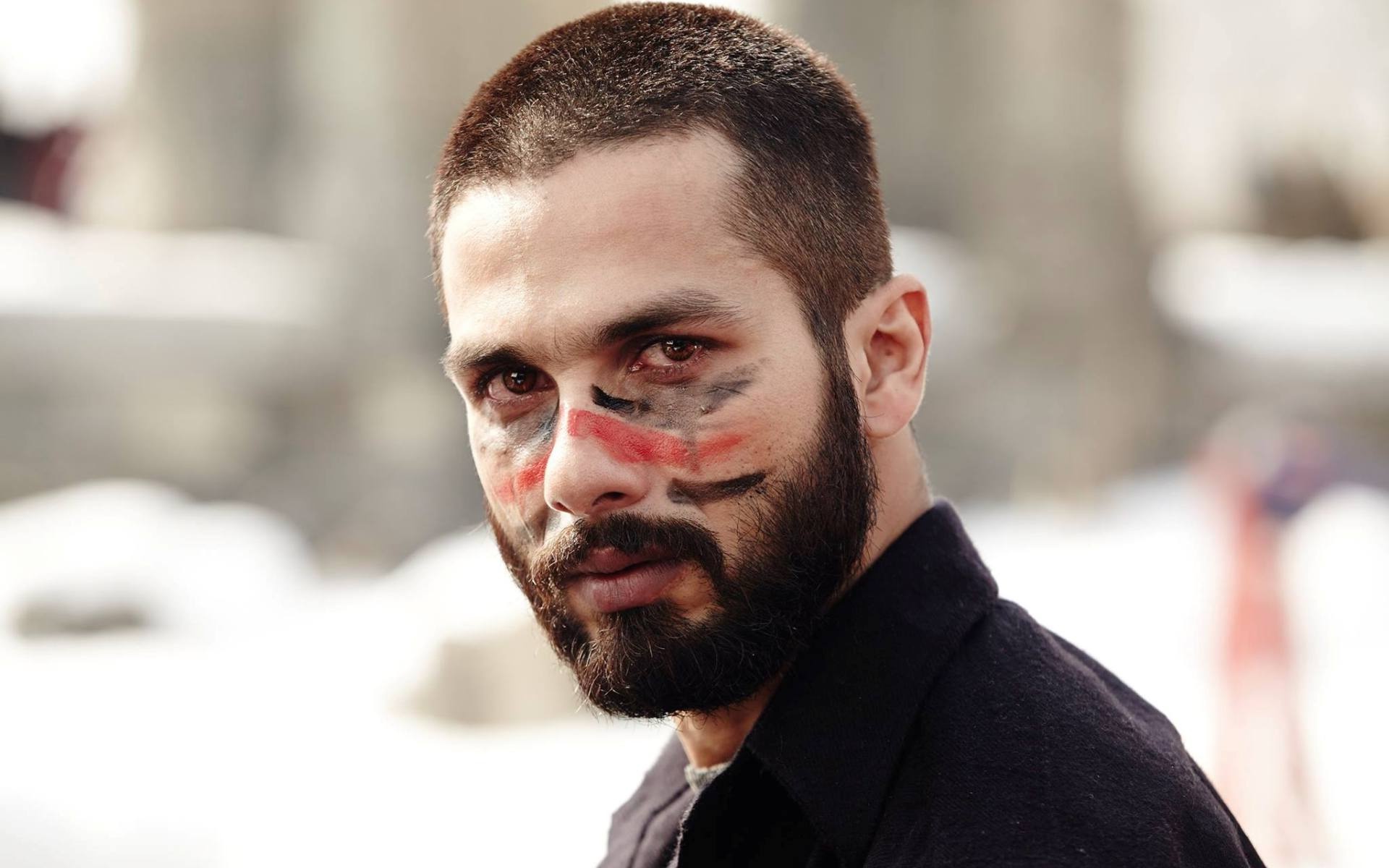
Haider, too, is caught in his own labyrinth. Played by Shahid Kapoor, he is a young man torn between ideology and blood, vengeance and reason. He is not just avenging a father or mourning a family — he is trying to piece together the ruins of his own identity. Bhardwaj doesn’t let him choose cleanly. The tragedy lies in the hesitation.
None of these men fit neatly into the roles of hero or villain. Bhardwaj doesn’t glorify them, he dissects them. Langda Tyagi, played by Saif Ali Khan in Omkara, isn’t evil for evil’s sake. His bitterness stems from being overlooked and passed over, and it festers into something ugly. His violence is not mindless; it is wounded pride turned outward.
In Kaminey, twin brothers Guddu and Charlie, both played by Shahid Kapoor, fumble through a corrupt world, stammering their way across opposite sides of the same coin. They want something better, something cleaner. But in Bhardwaj’s world, every ladder up is also a slide down. He gives his male characters space to be insecure, jealous, and deeply wounded, but never lets them off the hook.
And always, love looms. A soft emotion that turns dangerous in the wrong light. Omkara truly loves Dolly, but one seed of doubt is enough to unravel it all. In Rangoon, a soldier falls for a woman he shouldn’t love, in a war he doesn’t control. Love here is not redemption, it is a battlefield.
From Matru Ki Bijlee Ka Mandola to Maachis, Bhardwaj’s men perform masculinity like they are slipping into costume. Gangsters, warriors, patriots. Scratch the surface though, and you will find how brittle these masks really are. What unites them is not bravado, but a deep haunting — of what they have done, what they have failed to do, and what they believe they deserved.
They are not evil men, not really. But they are not heroes either. They are simply human, flawed, frightened, sometimes foolish. They are cautionary tales in the shape of leading men, reminders that when masculinity is built on myth, the fall is not just inevitable, it is devastating.