For Raghavendra Rathore, The Bandhgala Is Timeless
In an exclusive conversation, Raghavendra Rathore reflects on his journey, design ethos, and the modern man
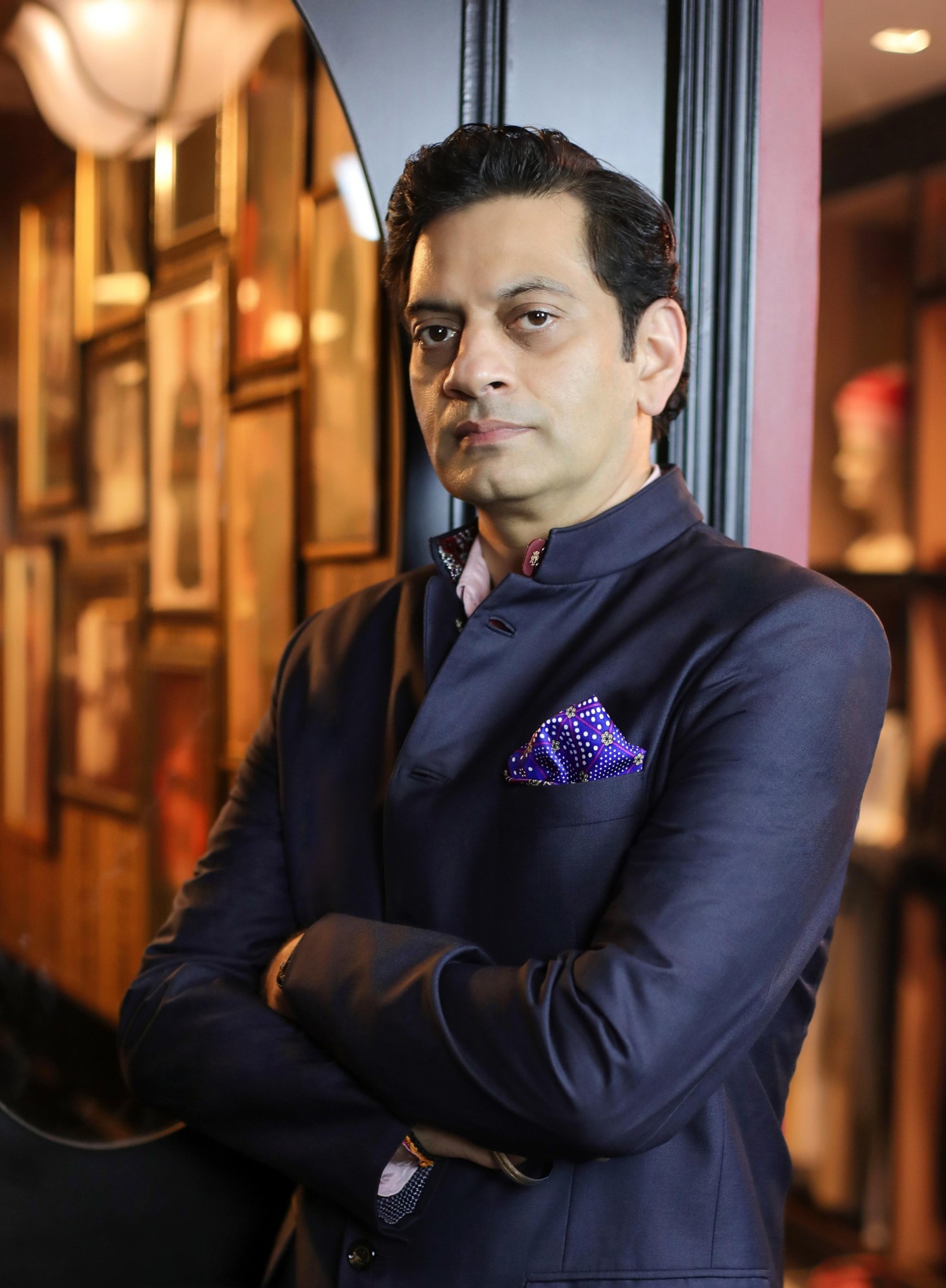
There’s a certain elegance to Raghavendra Rathore’s journey, a life built on legacy, precision, and instinct. Born in Jodhpur, into a lineage that dates back to Rao Jodha himself, Rathore grew up in the shadows of forts and family lore. His earliest encounters with style were lived—in ceremonial gatherings, in the silhouettes of royalty, in the way tradition and modernity could coexist without conflict. That early exposure, he says, never left him. It became the blueprint.
Now, this blueprint takes shape in the ateliers of New York and Paris, where Rathore honed his craft under the likes of Donna Karan and Oscar de la Renta — experiences that taught him discipline, but never swayed his compass. “Classic cuts, timeless silhouettes,” he says now, almost like a mantra. That philosophy would anchor his brand, Raghavendra Rathore Jodhpur, which helped elevate the Bandhgala from a relic of princely India to a symbol of modern Indian masculinity—worn by everyone from heads of state to Hollywood action heroes.
You May Also Like: 15 Years In, Shivan & Narresh Are Just Getting Started
Today, you don’t just wear a Raghavendra Rathore Bandhgala — you inherit it. Not in the literal sense, perhaps, but in spirit. It’s part garment, part legacy, cut from the cloth of a bygone era and tailored for the man of now. Rathore has dressed maharajas and movie stars, royalty and red carpet regulars, yet his north star has remained unchanged — an unwavering belief in the elegance of restraint.
In an exclusive interview with Esquire India, Raghavendra Rathore speaks about dressing with intent, building a legacy in slow fashion, and why the Bandhgala still has more to say.
Excerpts from a conversation.
Your designs, from polo breeches to ceremonial Nehru jackets, exude power, grace, and discipline. Do you design with emotion or iconography? And how do you ensure that your brand doesn’t get trapped in nostalgia, given its deep roots in heritage?
Classic cuts and timeless silhouettes form the very foundation of the wardrobes we curate season after season. The beauty of a bespoke brand lies in its sustainability—it evokes emotion and reinforces the iconic confidence shared between a man and his clothing. The elegance and subtlety with which the brand evolves each season is a remarkable journey. It’s about creating fresh ideas grounded in real experiences, often inspired by conversations with clients. This organic innovation keeps us from getting stuck in nostalgia. It’s not about following fleeting trends but about people and their evolving lifestyles. We design with an eye on the future while staying true to our heritage, always ensuring our collections feel relevant to today’s man.
You May Also Like: Sidhant Gupta On Movies, Magic And Masculinity
Your royal lineage from Jodhpur, with its 800-year history, is central to your brand. How has this shaped your approach to design, and how do you view Indian fashion’s progress from the first Indian Fashion Week in 2000?
The brand draws its spirit from Jodhpur—its rich lineage and culture. As a slow fashion house, we focus on delivering value to the customer through thoughtful design and distinctive styling. It’s that foundation and promise that guide us. We introduced Jodhpuri-style tailoring to the world, laying the groundwork for our menswear legacy. Since our debut at the first Indian Fashion Week in 2000, I’ve seen Indian fashion grow tremendously. It has evolved from a niche, experimental space to one where inclusivity, business sensibility, and the global stage are essential components. Indian designers are now more confident, and our talent deserves global recognition. We need to expand the ecosystem of Indian fashion to embrace textiles, design, and allied industries, which would allow global audiences to experience the remarkable talent our country offers."
Menswear is often seen as limited in silhouettes, and you’ve built a legacy around the Bandhgala. How do you reinvent it without over-designing?
Menswear has evolved significantly, striking a balance between style and seasonality. With both summer and winter narratives, the Bandhgala—now synonymous with the brand—continues to inspire. While preserving its classic foundation, we explore new ways of presenting it on the global stage. The key is subtlety and restraint. We’ve moved beyond simply updating an existing style; we’ve injected new life into it while honoring its heritage. It’s about finding that perfect balance between innovation and tradition.
You May Also Like: What's Next For Menswear, As Per Leading Designers
You’ve often called your work “heritage luxury” and “timeless.” In a world of speed and immediacy, how do you make slowness desirable? And do you think Indian menswear is still looking for global validation, or are we past that now?
The beauty of 'heritage luxury' lies in the details—the meticulous choice of fabrics, the precision of every cut. These elements require time and care, which naturally draw discerning customers who value craftsmanship and individuality. As for Indian menswear, last year marked a turning point. Indian men have started embracing experimentation, shaped by the dynamic social landscape of digital trends and algorithms. There’s a newfound confidence in adopting fresh styles while staying rooted in tradition. So, while we’ve moved past seeking global validation, we now have the opportunity to create a global narrative for Indian menswear. Our confidence has allowed us to evolve and influence trends worldwide.
What’s next for RR?
For RR, the next step is careful expansion, always keeping the customer at the center. We’re focused on building a brand that’s both globally recognized and intimately connected to its roots.
If the Jodhpur Bandhgala could speak, what story would it tell about modern India?
The Jodhpur Bandhgala is a symbol of that journey. If it could speak, it would reflect on pre-British India and narrate its transformation from heritage attire to a global style icon. From being worn by James Bond to Indian politicians during the country’s formative years, and now gracing Bollywood stars and red carpets at Cannes, it has evolved with the changing landscape of modern India.
You May Also Like: Tarun Tahiliani's OTT: Where Details Remain, But Attitude Is Effortless
Finally, in your opinion, what is a man at his best?
A man is at his best when his attire reflects his personality—a classic ensemble that can seamlessly transition from work to dinner, effortlessly dressed up or down through the day. It’s all about the balance between refinement and ease. The right attire should empower a man to move through different spheres of life with confidence and grace.