Limited Edition Is The New Gold Standard
It’s what makes men wake at dawn, queue in the rain and refresh their browsers endlessly—for something they may never wear. Welcome to fashion’s biggest flex
There's something about the phrase 'limited edition' that instantly triggers panic, thrill and a rush of urgency—in the best way possible. Especially when it’s tied to a brand you’re obsessed with or spotted on a celebrity you can’t stop watching. While it’s not a new concept, suddenly it seems like the only idea that matters, particularly in menswear. From Post Malone’s recent headline-grabbing Skims drop to the Aimé Leon Dore x Porsche collab you’re still kicking yourself for not waking up early enough for, the power of scarcity has never been more addictive. But it raises the question, what is it about limited edition that drives men to set multiple alarms at dawn, stand in queues in the rain and refresh their browser a hundred times just to get their hands on something they may never even wear?
FOMO & THE THRILL OF THE CHASE
If there’s one thing men can’t resist, it’s a chase. The girl who’s out of your league (but you think is well within reach), the bike that pushes the redline or most dangerous of all—the hoodie you swore you had bagged but sold out in seconds. Limited edition comes with a lot more than swag and stitching. Miss a drop and you’ve missed more than the jacket—you’ve lost bragging rights, clout in the group chat and the high of being the guy who got there before everyone else.
These drops have turned shopping into a sport. Part video game, part pub quiz—the only difference? The leaderboard lives on WhatsApp groups, Instagram and StockX. For those who cop early, the win is undeniable, broadcastable and impossible to fake. For those who miss out, it’s screenshots, resale markups and a dozen WhatsApp messages from friends hoping you can sort out a plug. But of course, none of this is accident. Brands have been leveraging FOMO for decades—limited edition runs, waitlists and collabs—all designed to make the hunt for the piece as addictive (if not more addictive) than the
piece itself.
COMMUNITY OVER CASHING IN
From Discord servers and closed WhatsApp groups to Reddit threads and members-only clubs, limited edition has become a world of its own. These drops aren’t just about jackets, hoodies or sneakers—they’re about the circle you enter when you cop one. Subreddits like r/malefashionadvice have grown 175% this year, and most of the buzz in those spaces is about limited editions. Take the Aime Leon Dore hoop for example—launched just two days ago and gone in minutes. Hours before the launch, The r/AimeLeon Dore subreddit (25K strong) lit up like the World Cup—with guys crying about how close they were to copping it. Because in these communities, members thrive on dissecting every drop: sharing tips on how to cop, whether the piece is actually worth the hype and how to win next time. And for those who’ve already won— they’re kings—or at least until the next big release.
THE RESALE VALUE
For Gen-Z, the thrill doesn’t stop at the chase. It’s actually where it begins. For a generation that loves making a quick buck, limited edition drops have turned wardrobes and shoe closets into mini stock markets. A pair of sneakers bought on Thursday could double (or maybe even triple) in value by Sunday, and the dopamine hit you get from watching the price you paid for something exponentially rise in value while you’re asleep is an addiction on its own. Globally, platforms like Grailed and StockX have made the art—or science—of flipping a cultural movement, and for many a side hustle that sometimes pays off more than a 9-5. Closer to home, spaces like Mars Gallery are creating omni-channel resale experiences that feel curated, considered and highly desirable. They prove that an afterlife exists for limited edition pieces, and there’s as much cultural cachet (and cash) in selling them as there is in owning them in the first place. Because maybe, the biggest flex isn’t just being able to say you managed to cop what none of your friends could, but that you managed to flip it for triple the price and also funded your next one.
THE LIMITED-EDITION OPPORTUNITY
If there’s one thing that 12-seater restaurants, with bookings that only open once a week have taught us, it’s that hype sells. And scarcity drives demand. Fashion is no different, limited-edition drops are like tasting menus from your favourite chef. Miss it once and you’ve missed it forever. Brands like Birkenstock, Adidas and Dior have long understood this, especially with collaborations, where the hype is two-fold. In India though, this is still a relatively new phenomenon. But with every second person trying to start a brand and our feeds overflowing with more of the same, some homegrown labels have realised the quickest way to go big is actually by going small.
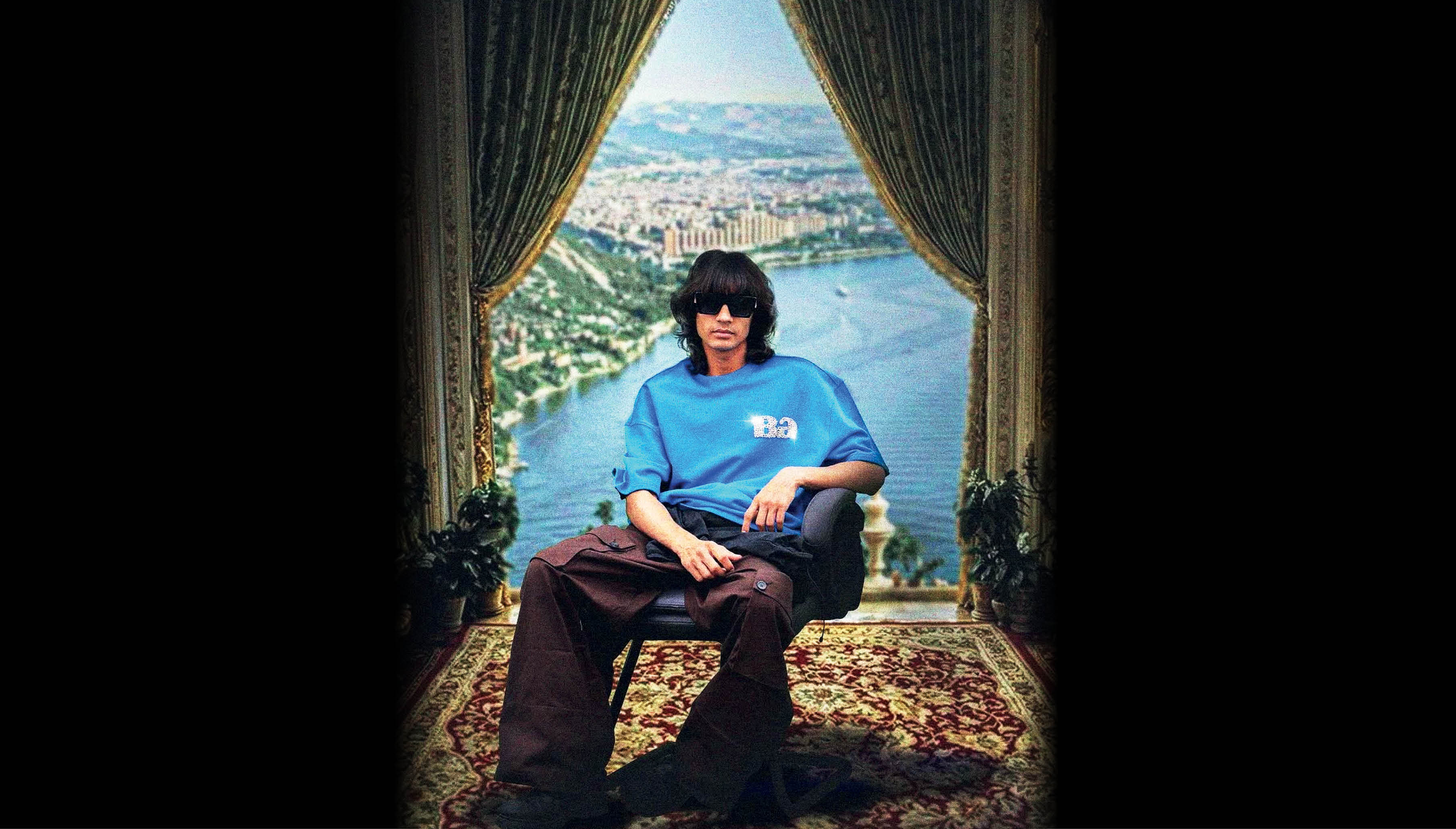
BluOrng, for example, launched as a premium streetwear label in a market where international brands held the highest ground. Instead of chasing high volumes and bombarding consumers with ads, it focused on hyper-exclusivity. This raised intrigue in consumers’ minds and suddenly walking into a party in a BluOrng T-shirt became a silent flex. But they didn’t stop just at the launch. They weaved exclusivity and limited access into every facet of the brand story. Five years on, the brand has stuck to the exact same playbook: small runs, strong drops and no restocks ever. They didn’t just use limited editions as a marketing gimmick but made it their entire brand DNA.
Rascasse, another new home-grown jacket-first brand, has adopted a similar strategy. Dubbed the Jacquette Club, the brand creates only three pieces of each style. With sharp designs, a denim- first design philosophy and a promise to never repeat a design—it leans into the same scarcity mindset. Here, the real flex isn’t just wearing a cool jacket, it’s also knowing that you’re only one of three people who ever will. Other homegrown brands like Almost Gods and Kartik Research too are tapping into exclusivity in their own ways. While Almost Gods has built a cult following through its capsule drops, it’s the limited collaborations with cultural icons—from G-Shock to India Art Fair—that have cemented its status as a tastemaker. Each feels like a collector’s item, blurring the line between art and fashion, less about wearing it and more about being part of the conversation.
Then there’s Kartik Research, the New Delhi–born menswear atelier. Without calling it limited edition, its small-batch, craft approach achieves the same effect. Every piece feels unique, handwritten and impossible to get again. It’s this ability to quietly weave in a scarcity philosophy into its process that has catapulted the label from a dorm room idea to global runways. Available from Selfridges to Dover Street Market, it proves that scarcity is no longer a problem, it's actually the whole point.
In a world where everything can be bought and sold, limited editions have turned access, belonging and scarcity into the new markers of status. Because by the time you finish reading this, it’s probably already too late. Someone’s already copped it, worn it and now flipping it for triple.