The Knight Who Stood Up To Ozymandias
Stripped of CGI spectacle, A Knight of the Seven Kingdoms finds greatness in upstanding honor and boyish ambition
Warning: Major spoilers for A Knight Of The Seven Kingdoms ahead
If Dunk and Egg’s story had been a part of the original Game Of Thrones show, the season would have most probably ended with the shock of Baelor’s death. Instead, we end with a joke where our bumbling hedge knight learns that Westeros actually has nine kingdoms, not seven. Pretty much sums up what the legendary Ser Duncan The Tall and King Aegon V are when you take the legends and titles away from their story.
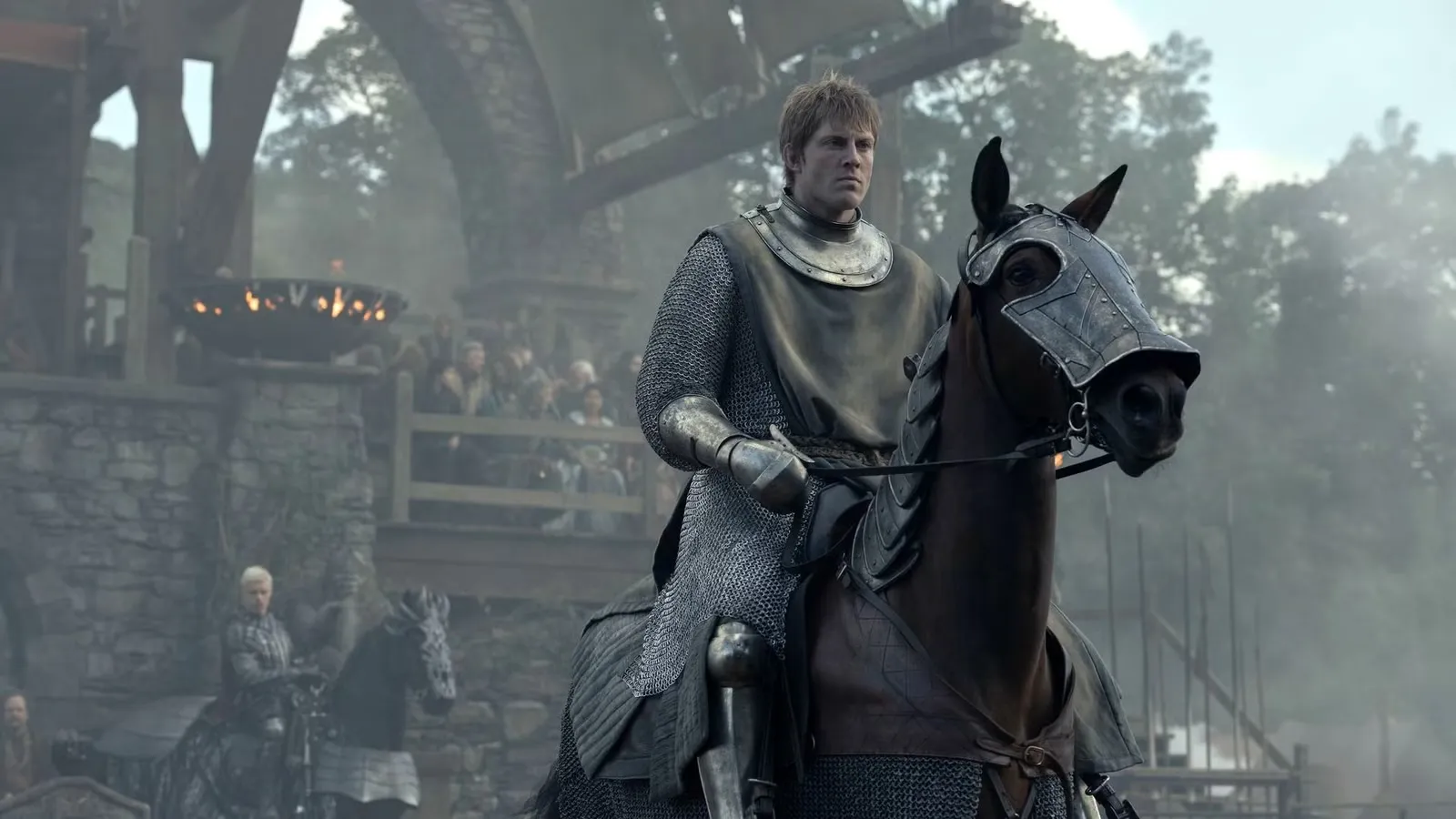
And maybe it’s for the best. The Game Of Thrones spinoff is thematically the farthest from the eight season epic saga of Daenerys Targaryen, but it’s so refreshingly honest in its earnestness that you can’t help but fall in love with it. Duncan, or Dunk (Peter Claffey), is a ham fisted knight who was neither knighted nor does he really know how to fight. Egg (Dexter Sol Ansel) is, quite literally, an egg-headed ten-year-old boy running away from his identity as the Targaryen prince Aegon. All that the two have is each other’s support, and dreams that are unprecedented for their stature: Dunk wants to be a knight like the dead Ser Arlan he squired for. Egg the prince wants to be Dunk’s squire.
That’s all the story is. Now throw into that a conflict, some brilliant side characters, two very well timed reveals, and lots and lots of banter between our leads, and we’re left with a show with episodes that have tied the record of Breaking Bad’s Ozymandias as the best television episode of all time. And all of it without Game Of Thrones’ signature dragons and courtroom politics.
All this it does in six short episodes of thirty minutes each. The show is adapted from The Hedge Knight by George R. R. Martin, which itself is a novella, and this keeps the story to the point without meandering into multiple subplots.
And that's what most of the first season is about: setting up the world of the smallfolk before the show pics up pace. This world, picked up word for word from its source material, is vast and beautiful with the promise of adventure. We deconstruct the epic that is A Game Of Thrones - there's a scene in the first episode where the GoT theme song builds up, as our knight gets ready for adventure, only to cut to him defecating against a tree. And we ask ourselves, what does a knight stand for? Now that the Dance Of The Dragons has removed the creatures from the world, what does Targaryen stand for?
The answer comes in the form of Bertie Carvel’s Baelor Targaryen. The King's Hand and next in line to the throne, the prince has inherited a house who's power rests only in the fear that his ancestors' deeds have created in the hearts of the kingdom, but who wishes to be a just, peaceful king either way. There's Daniel Ings' Lyonel Baratheon, the Laughing Storm, who rules over every scene that he occupies, be it in jest or joust. Peter Claffey plays Dunk with a physicality that makes you believe he could fell a man twice his size, and his actions reminds you that he is just a sixteen year old giant that has no idea what he is doing. Dexter Sol Ansell’s Egg is the other heart of the show, sharp, witty, stubborn with just the right amount of childish innocence that keeps that show light-hearted. Their rhythm carries the show.
What makes the series work, though, is its refusal to chase awe. The tourney at Ashford, is no battle; it's fourteen people fighting it out to keep one's honour. There are no extended council scenes designed to flex dialogue as a weapon. The drama is rooted in bruised egos, the gap between who these boys are and who history will remember them as, and the little details that humanise them. Dunk will go down in history as the knight that defeated Aerion in battle, but that one haunting shot of him hardly being able to see through his helmet at the trial will be the testimony to his inexperience that history would never know. Egg will sit on the throne as Aegon V, and as the show foreshadows, will be a rather despised ruler by the time of his death. What history wouldn't know is that he was once a child who wanted a quiet life in the countryside and raise sheep. But for now, here they are, arguing about coin and teaching each other how to sew.
In stripping away spectacle, the show makes Westeros feel expansive again. It proves that the franchise does not need wildfire or war to matter. It needs the conviction of two unlikely companions walking down a dusty road, convinced they can bend the world toward something better, even when they barely understand it.