Are You Watching Vertical Microdramas On The Internet?
Are microdramas condensing the epic into the ephemeral proving narrative need not sprawl to resonate?
Surely, one mustn’t complain. But hasn’t it become almost ubiquitous to find everything screaming urgently for your attention, making the act of sitting through a book, a film, or even a series feel like a serious commitment? No wonder indulging in a vertical microdrama can feel, at first, banal.
Ultrashorts, or vertical microdramas, are one-minute bursts of emotion, designed for audiences who can’t linger for a feature film. These episodes, often 60 seconds to 3 mins long, unfold in a 9:16 frame, with rapid cuts and heightened dramatics to hold attention. The content often mirrors soap operas: dramatic lines, cliffhangers, and familiar tropes—a young woman falling for an older billionaire, estranged families, or star-crossed romance.
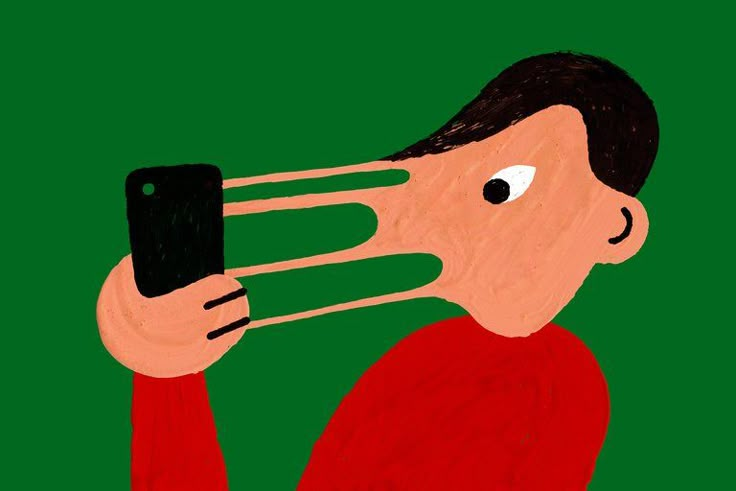
It is hardly surprising that India’s millions of internet users are glued to their phones vertically. Data shows that upwards of 90 percent of Indian users consume video in portrait orientation, making vertical viewing not just convenient but preferred.
The format itself traces its rise to China, where vertical storytelling flourished during the pandemic and is now part of the snackable entertainment culture.
It has since gone global, capturing the imagination of Hollywood veterans and Indian OTT platforms alike. Locally, KUKU TV, launched by KUKU FM, promises serialized vertical microdramas in Hindi, Telugu, Kannada, and Bangla where each episode under two minutes, with series often exceeding 50 episodes.
Meanwhile, social platforms are jumping in. Instagram and Terribly Tiny Tales have introduced microdrama verticals, releasing stories between two and ten minutes, designed for a reel-first generation. Many creators now produce their own narratives, acting out multiple characters and threading storylines across episodes.
Instagram pages like @Submityourick and series like Party of Two in Hindi are drawing viewers, while TikTok’s CEEBS delivers comedy chaos with zero chill. Even established players like ZEE5 have embraced the trend by partnering with the Bullet App to produce vertical shows such as Laxmi Raj, Rent A Boyfriend, and Rickshaw Romeo.
Fashion e-commerce giant Myntra launched Myntra Mohalla, a six-episode microdrama timed for India’s wedding season, set in a two-tier neighborhood and following characters preparing for the festivities—all while promoting affordable fashion.
But what does vertical microdrama mean for storytelling at large? These storylines are short, bingeable, and optimised for the shrinking attention spans of mobile audiences. Yet, questions remain: Are two-minute clips truly “dramas,” or are they the literary equivalent of micro-poems? Will verticals endure as a legitimate format, or remain ephemeral flashes in the scroll bar?
Whatever our opinion of it may be, vertical series are weaving themselves into the fabric of entertainment. Variety recently noted that a microdrama platform has “cracked the code on addictive short-form content,” ranking among the top eight iOS entertainment apps and the top five on Google Play. And in other news, a few weeks ago, former Miramax CEO Bill Block launched GammaTime, a microdrama streaming platform backed by $14 million from investors including Kris Jenner, Kim Kardashian, and Alexis Ohanian.
For creators, the format offers both opportunity and risk. Vertical microdramas enable bold experimentation—new voices, regional stories, mythological twists, and true-crime narratives—all designed for a mobile-first audience. Yet the pressure to produce quickly can compromise narrative depth, and compressing emotion and plot into one to three minutes is no small feat.