It was the same competition, almost a decade ago. It was the same teams playing. Same format. It was Dhaka’s Shere Bangla Stadium. Batting first, Pakistan got skittled out for 83 courtesy Hardik Pandya’s slippery swing bowling, and early inroads by Jasprit Bumrah and Ashish Nehra.
The Indian openers walked in to bat. Mohammad Amir with the new ball came steaming in and trapped Rohit Sharma on the pads first ball. One for none. Ajinkya Rahane was the next to depart, off the fourth ball of the over. Two for two. Over number three—and it was Suresh Raina’s turn this time. Caught by Wahab Riaz off the bowling of Amir.
Chasing Pakistan’s 83, India were 8-3. It doesn’t get nervier than this. If not for former crisis man Virat Kohli’s gritty 49 (he fought real hard, surviving a hostile Mohammad Sami spell), India would have for sure been dealt the most embarrassing upset in the fabled history of these two teams.
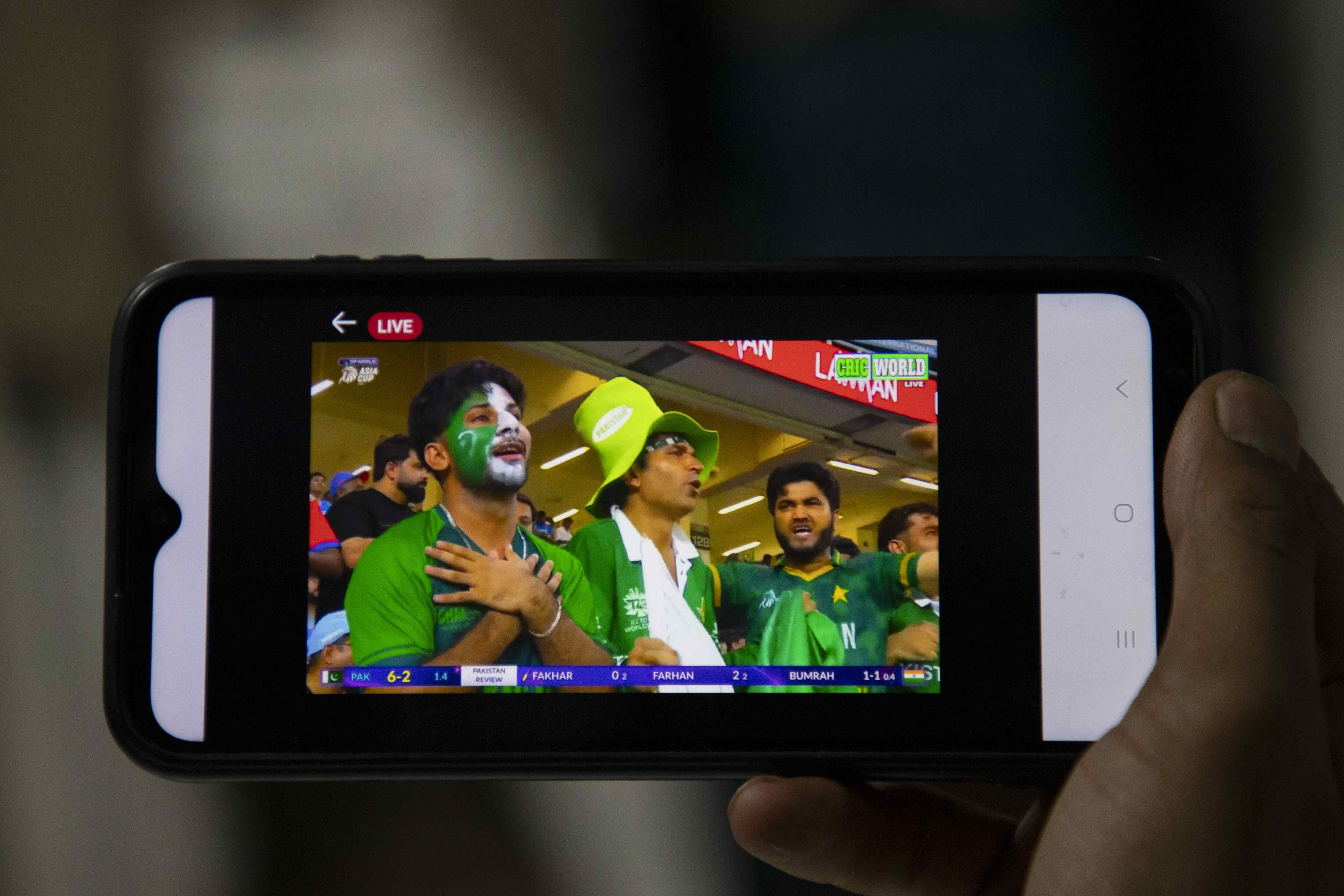
A couple of nights ago, India and Pakistan met in another Asia Cup clash, surrounded by fervent cries of boycott from Indian fans. The neighbours on the west again got bundled out for a paltry total, with India chasing down 127 in just three-fourths of their overs. Around the same time in another corner of the world, England—who continue to be rampant in their mangling of the game they invented—blazed away to 304 in a 20-over game. That’s fifteen runs an over.
It might be argued that Pakistan were batting on a completely different surface and against a far more skilful bowling side. But the way they have regressed in the past few years, it’s hard to imagine them scoring three hundred runs in a 50-over game against a major side.
Just like in the 2023 World Cup, Pakistan—a nation that once glowered at India’s timid cricketing persona, armed with fearsome players such as Javed Miandad, Imran Khan, Wasim Akram, Waqar Younis, Saeed Anwar, Inzamam ul-Haq, Shoaib Akhtar and even Shahid Afridi, to some extent—surrendered feebly before the wiles and wonders of their fabled rivals. Rivals that seem like a far more professionally advanced side with a bench strength that has better odds on any given day.
What’s happened to the sting and ferocity of Pakistan cricket is worrying. A side that earned the moniker of cornered tigers now mewls with the poignance of a malnourished puppy. But the most concerning part yet was their baffling insistence on handshakes.
Handshakes?
How does it matter? The most passionate of lovers learn to live in anger. They turn hate to passion. What’s more pressing is: where was the Pakistan of the 2016 Asia Cup clash, where Mohammad Sami, the former pace-bowling prodigy who reappeared from obscurity one final time to leave Indian fans quaking in their boots?
It may be argued with some degree of contentiousness that Pakistan haven’t been the same team for at least the past decade and a half. For roughly the entirety of their absence from the Indian Premier League, whose access to a high level of world cricket and technical knowhow has brought Afghanistan from virtual unknowns to the upper echelons of the game (yes, upper echelons). But for a nation and a fanbase that perennially prides itself on producing cricketers possessing the same skillsets (Pakistani fans seem to wholeheartedly believe that Babar Azam and Shaheen Afridi are better cricketers than Virat Kohli and Jasprit Bumrah, respectively)—but, of a higher pedigree, apparently—as their neighbours, their collapse has been heartbreaking. In fact, it is arguable that it is, in part, this same parochial, inward-looking cricket culture that has created an echo chamber where ordinary players are hailed as superstars. Among full-member nations, their highest T20 score is the lowest (232) in the world. Out of 14 T20 games between the sides, Pakistan has only won three.
Moreover, don’t Pakistan have their own T20 league—the Pakistan Super League—which is supposedly the actually better competition? In an era where the game is undergoing ridiculous shifts, the side plays like clueless interns, only lording over associate nations and the occasional Asian/African minnow (they lost to the American associate in last year’s T20 World Cup).
It’s frustrating, as an Indian, to see Pakistan dissolving into oblivion match after match and tournament after tournament. They’ve even lost their ‘unknown commodity’ advantage from a few years ago, something that enabled them to beat India in the 2017 Champions Trophy final and the 2021 T20 World Cup league game between the sides.
In circumstances as grim as these, it’s baffling to witness Pakistani authorities and fans try to hold the tournament or the International Cricket Council hostage about handshakes. To see them go after match referee Andy Pycroft and demand his removal because he didn’t uphold the spirit of the game is almost bathetic. If the Indian cricketers, for whatever indecipherable reason, didn’t want to shake hands, let them. It’s frustrating to see our neighbours grovel like this for breadcrumbs of superficial amity.
Give us a game, Pakistan. The handshakes will come.