The Best Sandbox Games In Every Genre That Let You Fail, Break, And Experiment
Where the story is whatever you decide to do next
Sandbox games have always sold the same fantasy: absolute freedom. In practice, most of them still nudge players down invisible corridors, disguising linear design with large maps and optional side quests. The few that truly embrace the sandbox idea do something different. They step back, remove the guardrails, and let players create their own structure, whether that means building cities, breaking physics, or simply wandering without a goal.
What makes these games endure is not just their scale or graphical fidelity, but how convincingly they simulate a world that exists beyond the player’s intentions. Neither are they limited to a certain genre only. Over time, these digital worlds stop feeling like levels and start behaving like environments, shaped as much by the player’s decisions as by the developer’s design. Below, we listed the titles where the game stops directing you and starts reacting to you.
Minecraft
No sandbox list survives without Minecraft, and that is not nostalgia speaking. Its blocky aesthetic hides one of the most sophisticated player-driven ecosystems ever built. Entire economies, cities, and working computers have been constructed inside a world that never tells you what you are supposed to do. It remains the clearest example of a digital space that behaves more like a tool than a traditional game.
Grand Theft Auto V
Rockstar’s crime epic is often remembered for its story, but its real legacy lies in how much of Los Santos exists beyond the plot. Players have spent over a decade treating the city like a playground, a film set, and occasionally a physics experiment. Few games demonstrate the joy of unscripted chaos as convincingly.
The Legend of Zelda: Tears of the Kingdom
Nintendo’s sequel quietly redefined what sandbox design could look like by turning physics and engineering into core gameplay. The ability to build vehicles, machines, and elaborate contraptions turned problem-solving into performance art. Players stopped asking how to complete puzzles and started asking how absurdly they could complete them.
The Sims 4
Where most sandboxes focus on terrain and combat, The Sims 4 operates on social systems. It is less about exploration and more about control, letting players design not just homes but entire lives. The result is a sandbox that functions like a dollhouse for adults, equal parts escapism and psychological experiment.
No Man's Sky
Once infamous for its troubled launch, No Man’s Sky has since become one of the most expansive procedural sandboxes ever created. Its universe feels less handcrafted and more discovered, which is precisely what gives it its sense of scale. It captures the fantasy of being small in a vast cosmos better than any other game in its genre.
RimWorld
RimWorld strips the sandbox down to systems and consequences. There is no heroic narrative here, only colonists with personalities, fragile ecosystems, and a simulation that delights in unpredictability. It is one of the few games where failure feels like a story rather than a setback.
Cities: Skylines
City-building games often blur into spreadsheets, but Cities: Skylines maintains a rare balance between simulation depth and creative freedom. It allows players to act as both architect and policymaker, turning infrastructure decisions into long-term social experiments. Few games make zoning laws feel this dramatic.
Just Cause 3
If some sandbox games are about creation, Just Cause 3 is about destruction with style. Its grappling hook and physics-driven explosions transform the map into a chain reaction waiting to happen. It remains one of the purest examples of a sandbox built around spectacle rather than survival or realism.
Kenshi
Kenshi offers one of the harshest interpretations of freedom in gaming. The world does not care about you, guide you, or even particularly acknowledge you. Progress feels earned because nothing is designed to make you special. That indifference is precisely what gives the game its cult reputation.
Red Dead Redemption 2
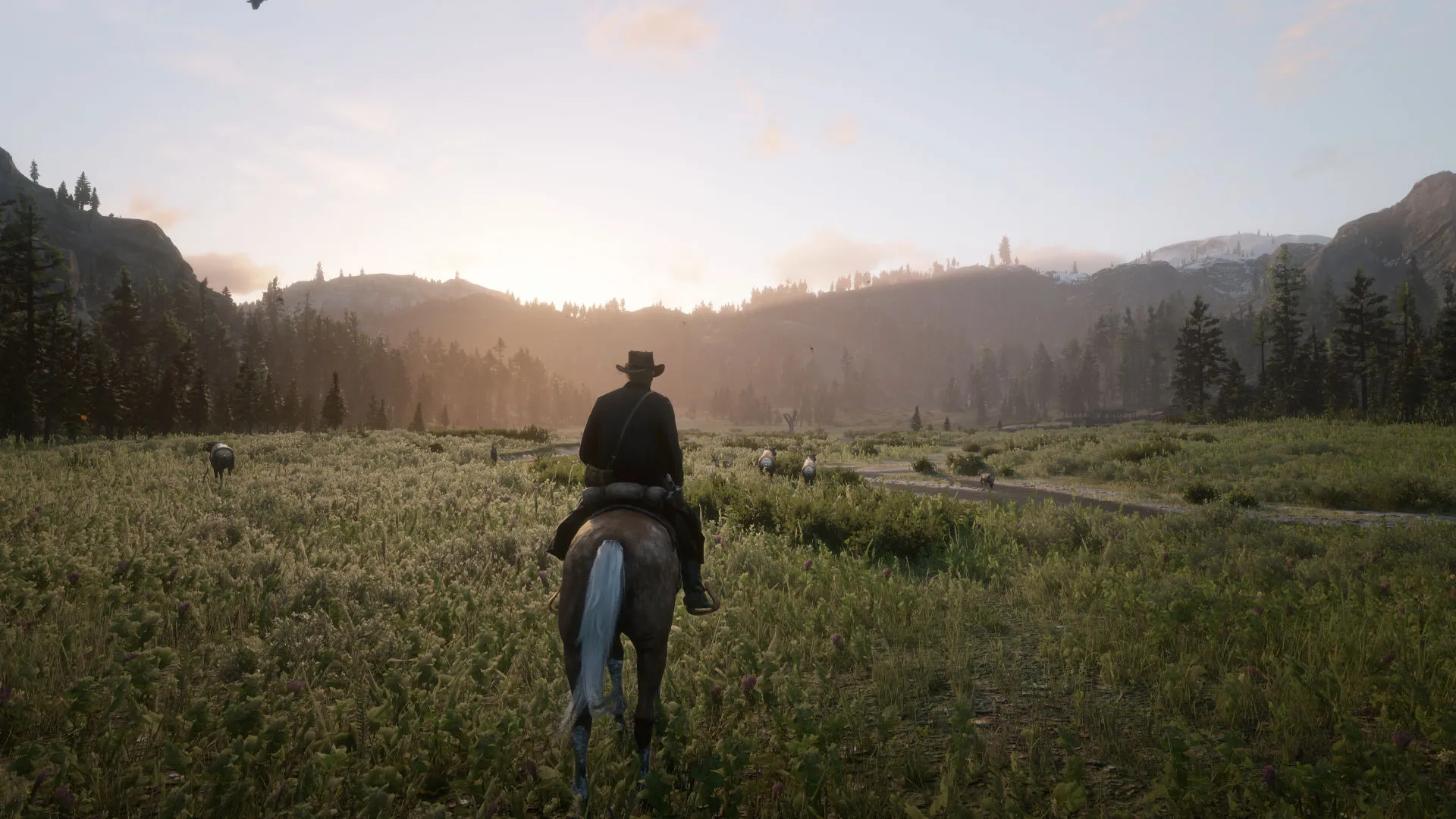
While often framed as a narrative epic, Red Dead Redemption 2 is just as remarkable for how convincingly its world operates without you. Wildlife migrates, towns evolve, and random encounters unfold whether you choose to participate or not. The result is a sandbox that has players explore the man for new details and side quests years after they complete the main story.