Crimson Desert Is Not Everyone’s Cup Of Tea. Here’s Why You Should Play It
And why you shouldn’t
Every so often, there comes a video game that has the entire industry invested in it, promising an otherworldly gaming experience only to completely tank after release. What’s rare, however, is for a game to deliver so much on some fronts and be wobbly on the others that gamers are divided into two factions altogether: one that insists that it is the game of the year, and the other that dismisses it as a good-for-nothing.
Pearl Abyss’ Crimson Desert is that kind of game.
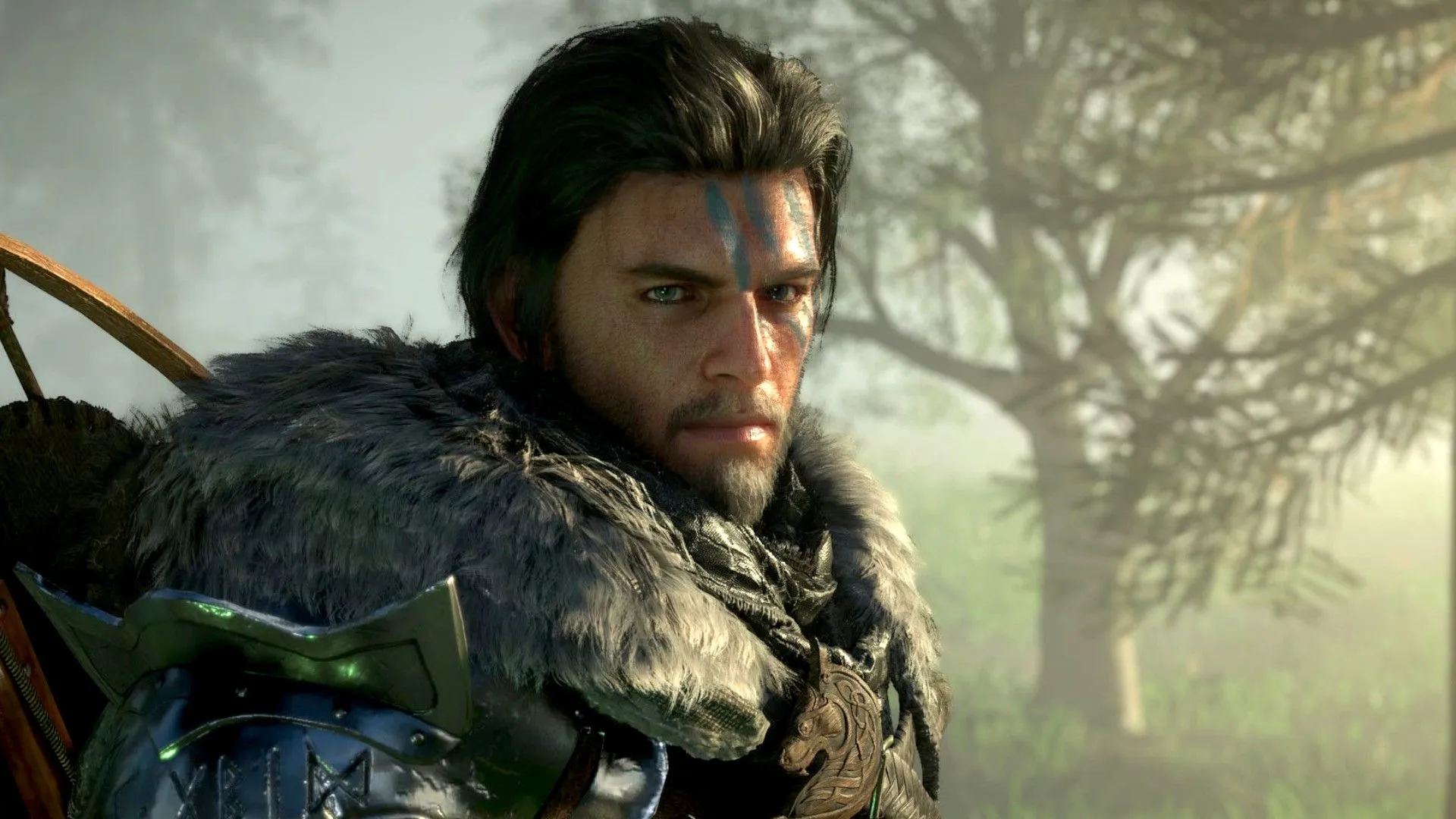
A single-player follow-up to the MMO Black Desert Online, this game has you playing as Kliff, a member of a mercenary group called the Greymanes. After an ambush kills him and scatters the group, Kliff is resurrected by supernatural forces and tasked with reuniting the group to fight the evil forces that threaten to upend his world.
By definition, it’s a role-playing sandbox, with puzzles thrown in good measure, but it’s not the kind that requires you to make conscious choices that change the course of the story like a Witcher 3 or Fallout: New Vegas. Instead, it leans more towards The Legend of Zelda: Breath of the Wild with its vast map and open-world environment.
Which only means that, at the end of the day, the ultimate decision on whether it will work for you depends on the kind of gamer you are. Sure, it’s no Metal Gear Solid V in terms of being the perfect sandbox game out there, but it has places where it shines through and through. Below, we list out the reasons why you would have a good time with it, and why you should skip it.
A Breathtaking World
The game’s strongest hook is its beautiful, expansive world. Cities are dense with NPCs who might just be standing in a corner doing nothing in particular, but they talk, argue, work, and react well enough to your presence. In fact, you have to talk to everyone in a city to find out who’s the trader and who’s the apothecary. You are rarely guided down a single path. Walk into a town, and you will need to physically explore it to discover the quest givers. It slows the pace early on but adds a layer of authenticity to the experience. And beyond the villages, the map is huge, much larger than the one in Red Dead Redemption 2. Mini-games are scattered in just almost every corner, and the sheer density of foliage, draw distance, and environmental interaction creates a sense of scale that few open-world titles manage to sustain.
Camp Management Is Actually Satisfying
Rebuilding the Greymanes’ camp introduces a management layer that lets you send allies on missions, reclaim territory, and upgrade facilities. Almost like a strategy mini-game built into a role-player. The issue is that many of the most dramatic developments happen off-screen, reducing emotional payoff.
The loop eventually boils down to gathering resources to generate more resources, which can feel repetitive. Still, the mechanic provides long-term structure for players who enjoy gradual progression and territorial control.
Combat That Carries the Entire Experience
Where Crimson Desert truly excels is combat. Fights sit somewhere between stylish hack-and-slash and deliberate, timing-based duelling. The game encourages you to parry the enemy’s attacks, and once you get them right, they feel like an accomplishment, straining together with insanely long combos. The bosses are well-designed and cinematic, and encounters with them need varied movesets that reward experimentation rather than rote pattern memorising. Every once in a while, you’ll be thrown off guard by a nightmare boss, so if you are into that, count yourself lucky.
Every weapon class further changes your rhythm, and character has their own set of moves and techniques. The skill tree is quite impressive for how much you can develop the moves. Kliff’s build gives you the most flexibility in that regards. You can pivot between swords, polearms, bows, magic, or even brawling, effectively letting players create their own hybrid combat style.
A Game Built For Completionists
With an average playthrough hovering around sixty hours and significantly more for completionists, Crimson Desert is designed to be lived in rather than rushed through. The pacing improves dramatically once you stop treating objectives as a checklist and drift between exploration, combat encounters, and side activities.
Not For The Storytelling Purists
The narrative begins with a promising story. Yet the writing rarely reaches the emotional or thematic depth expected from modern AAA RPGs. Characters and plot threads function more as scaffolding for gameplay than to push you forward.
For some players, this will be a dealbreaker, especially if you need the curiosity of what happens next to keep you hooked. If you approach open-world games primarily for narrative weight, this may not satisfy you. But if you think a barely-there story is a good trade-off for an endlessly immersive worldbuilding experience, then go ahead with it.
The Learning Curve Is... Something
Everything said and done, the first few hours of Crimson Desert till you set up camp can feel overwhelming. The control scheme is dense, inputs are not always explained well, and the number of overlapping mechanics creates friction for new players.
Once the systems click, though, the design philosophy becomes much easier to work with. The game wants you to improvise, experiment, and solve problems in your own way. Environmental destructibility, camp management, faction missions, and a dynamic economy all feed into a sandbox loop where the more you interact with the world, the better you get while handling the main story quests.
It’s Ambitious, Messy, And Endearingly Earnest
The project's ambition is visible everywhere. Voice acting, visual fidelity, and environmental detail often rival major Western productions, reinforcing the sense that this is a global AAA title. Massive worlds, dense environments, varied mechanics, and cinematic boss battles all push the scale beyond what most open-world games attempt. That ambition also brings occasional jank and uneven polish, yet the overall experience remains stable and far less technically troubled than, say, a Cyberpunk 2077. More importantly, the game developers released the first patch to fix some of the problems, and it hasn't been half a week since the game hit the market.
At the end of the day, Crimson Desert has its heart in the right place, but as many learn, it's what you do with your hands. But then again, it’s only the debut project of Pearl Abyss, and much like the characters in the game, you can only get better at developing games the more you develop them. Hopefully, that is.