Titan Eye + Is Making Smart Glasses Cool
Meta's AI-powered specs just dropped in India, and they actually look good
Smart glasses have been flirting with the mainstream for years now—swinging between niche gadget and futuristic gimmick.
But now, it seems like our obsession with wearable tech has officially moved north of the neck. Now, with Titan Eye+ bringing the globally hyped Ray-Ban Meta AI Smart Glasses to Indian shelves, the category might be having a moment that actually sticks.
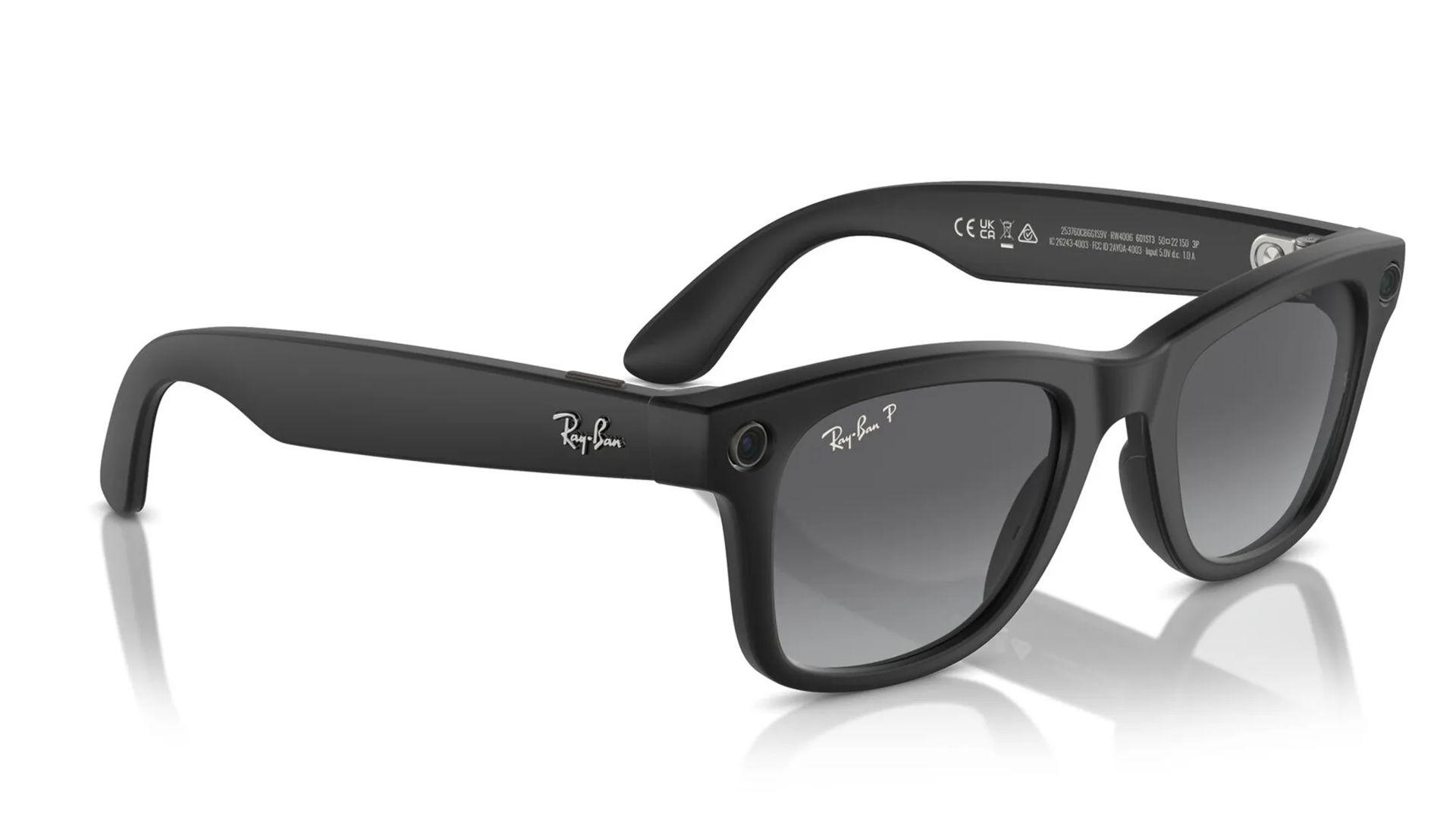
The glasses bring together Meta’s AI smarts with Ray-Ban’s timeless frame design—specifically the Wayfarer and Skyler styles. The result: eyewear that doesn’t just sit on your face, it actually… does things.
This is one slick pair of glasses that essentially doubles as your personal assistant. You’ve got voice-activated Meta AI built right in (say goodbye to fumbling with your phone), 12MP photo and 1080p video capture for hands-free content creation, open-ear speakers that whisper your Spotify playlist while letting in ambient sound, and syncing for calls, messages, and even live streaming.
In an increasingly voice-led, always-on world, it’s not surprising that Titan is betting on smart eyewear as the next big wearable frontier. And this isn’t its first foray—Titan EyeX and Fastrack Vibes have already laid the groundwork in the space. But bringing Ray-Ban Meta into the mix feels like a deliberate move to position smart glasses as more than just experimental tech—they’re now part of a premium lifestyle offering.
The price straddles somewhere between ₹29,900 and ₹35,700, depending on the variant. Not exactly entry-level, but also not entirely out of reach for India’s urban, tech-curious demographic.
N.S. Raghavan, CEO of Titan’s Eyecare Division, called it a “game-changer”—and he’s not wrong. The mix of fashion and technology is a space Indian consumers are warming up to—just ask anyone who’s worn a fitness tracker longer than two weeks. The growing appetite for discreet, design-first tech makes the timing feel right.
The glasses themselves are subtle. There’s no clunky hardware or obvious tech signalling. You could walk into a meeting, a bar, or a metro station and no one would know you’re wearing AI. And maybe that’s the whole point: the smartest thing about them is how little they announce themselves.
Whether these glasses become the new everyday essential or remain a niche flex is still up for debate. But one thing’s clear: the future of connected fashion is no longer just a Silicon Valley idea. It’s very much on our shelves now.