The Devices That Fill In When Inductions Falls Short In The LPG Crisis
A realistic fix for cooking without a flame
The LPG squeeze triggered by escalating tensions in West Asia has pushed households into panic mode, with induction cooktops vanishing from shelves and prices creeping up by the day. While the instinct to stock up is understandable, panic buying is making the situation worse by choking supply chains that are trying to stabilise. There is, however, a small sign of relief: at least one India-bound LPG shipment has now been allowed to pass through the chokepoint, which suggests that supply will start easing, even if not immediately.
In the meantime, if your building supports it, switching to PNG (piped natural gas) is the closest thing to a long-term fix. PNG depends on domestically produced natural gas, which means they will be largely unaffected by the escalations. Besides, they also come without the refill anxiety that cylinders bring.
In the meanwhile, you can depend on other electronic appliances to help you out for a short while if your cylinder runs out, but make sure to have expectations. Induction alone won’t fully replace LPG for Indian cooking, no matter how aggressively it’s being bought right now (and I say with a lifelong experience of using induction stoves). A proper spread of meals, from tadka-heavy dals to rotis and sautéed sabzis, demands flexibility that a single appliance can’t deliver. But then again, many of these devices have enough in them to let you cook the most basic meals.
All said and done, below are the appliances you could try out, depending on your needs.
All-in-one Cooker
You’re looking at a 1000–1500W pressure cooking appliance with multiple modes like sauté, steam, slow cook, and pressure cook, often with capacities between 3 to 6 litres. This is best suited for anyone who cooks full meals regularly and doesn’t want to juggle multiple devices. The biggest advantage is versatility; you can make dal, rice, curries, even one-pot biryanis without switching appliances. It also reduces cooking time significantly because of pressure cooking. The downside is a learning curve with presets, and you lose the instinctive control you get with a flame, which can frustrate you if you’re used to eyeballing everything.
We recommend: Wonderchef Nutri-Pot Electric Pressure Cooker
Infrared Cooktop
Typically running at 1200–2000W, this uses radiant heat instead of electromagnetic fields, meaning it works with any cookware, not just flatbottomed induction-compatible ones. This is best suited for people who don’t want to replace their entire utensil collection. The upside is obvious; zero compatibility issues and decent heat distribution. The catch is slower heating compared to induction and a surface that stays hot after use, which makes it less efficient and slightly riskier in tight kitchens.
We recommend: Pigeon Eva Infrared Cooktop
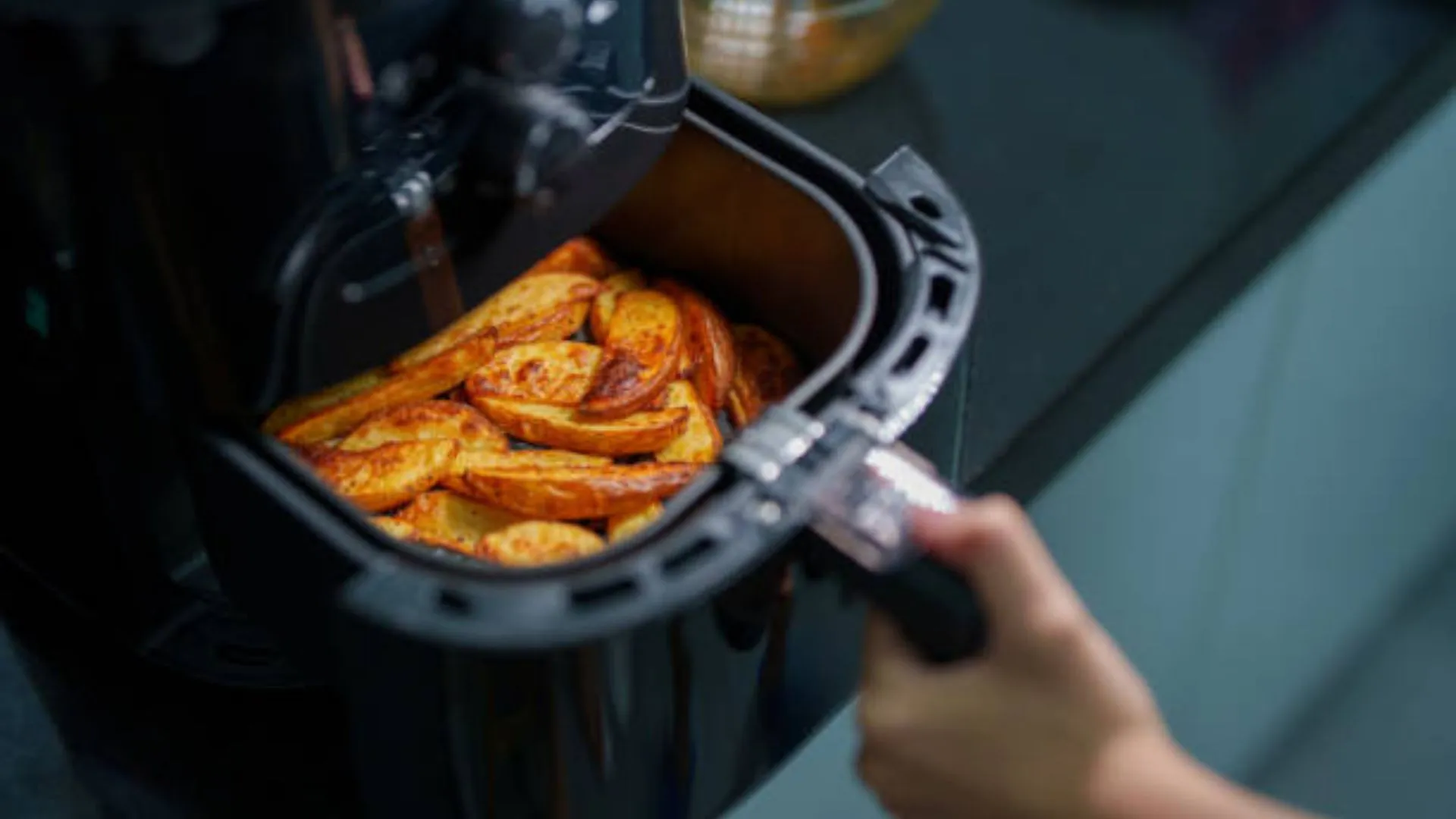
Air Fryer
Usually operating at 1200–1800W, this circulates hot air for frying, roasting, and baking. It suits you if your meals skew toward grilled, roasted, or snack-heavy food. The pros are lower oil usage, quick cooking, and minimal supervision. The problem is capacity and scope; you can’t rely on it for staple meals and curries, and batch cooking becomes annoying fast.
We recommend: USHA iChef Smart Air Fryer
Multi-purpose Electric Kettle
Standard kettles run at 1200–2000W, with some models designed for basic cooking tasks like boiling eggs, noodles, or even light soups. This is ideal if you’re living alone, in a hostel or just need survival-level cooking. It heats water insanely fast and is dead simple to use. The limitation is extreme; cooking a full-fledged meal on this is the ultimate nutritional jugaad you can do.
We recommend: Borosil Klassic Electric Multi Kettle
Rice Cooker
With power ratings around 500–1000W and capacities from 1 to 2 litres, this is built for consistency over flexibility. It’s best suited if rice is a staple in your diet and you want zero guesswork. You get reliable results and some models allow steaming vegetables or cooking simple one-pot meals. The downside is limited functionality, unless you hack it creatively.
We recommend: Panasonic Warmer Series Electric Rice Cooker
Electric Hot Plate
These usually operate between 1000–1500W and give you a flat heated surface for sautéing, frying, or even making basic gravies. This is best if you want something closest to a stovetop feel. You get control, familiarity, and flexibility with most Indian cooking techniques. The downside is uneven heating in cheaper units and slower performance compared to gas.
We recommend: BAJAJ VACCO Radiant Electric Coil HOT Plate