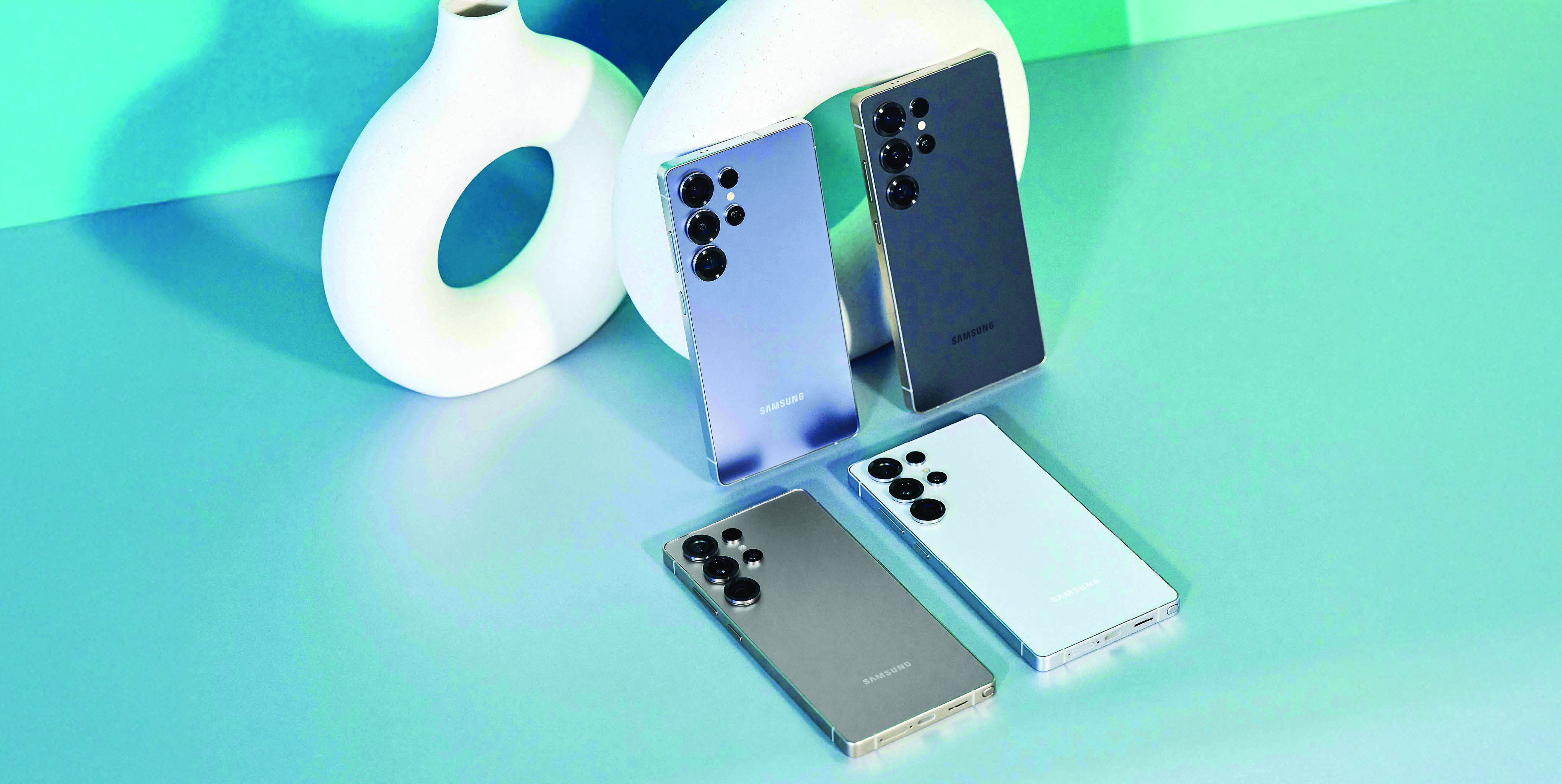
Samsung Galaxy S25 Ultra: Same Same But Different
The S25 Ultra is a bigger upgrade than it first seems but is that enough?
There was a time when Samsung’s Ultra model in its S series flagships used to be a phone that had it all - all the excessive, over-the-top conveniences, from the best displays to bonkers levels of optical zoom and a one-of-a-kind stylus inherited from the Galaxy Note series - a superphone that checked off every imaginable box for power users, and then some. It truly was the flagship that wore the Ultra moniker the best. It kinda still is, but the incremental nature of this year’s Galaxy S25 Ultra would have one question at first just how much Samsung has moved the needle. I’ve spent several weeks using the device, diving into changes large and small, to realize that the S25 Ultra is a bigger upgrade than it first seems but is it enough to warrant dropping ₹1,29,999 and upwards on Samsung’s latest?
Oh, for sure, it does look different enough. Gone is the Galaxy Note look of yore with the curved sides and pointy corners, replaced by the unavoidable march of the du jour flat-edged brigade with rounded corners that makes for a modern, more refined look in line with the rest of the S25 family. Despite the slightly larger screen, the S25 Ultra is only a sliver taller than its predecessor and is, in fact, less wide, a shade thinner and even 14 grams lighter, which makes holding and using it over extended durations way more comfortable.
It’s still a boxy slab any which you look at it, which makes it prone to slipping – just as well Samsung has employed a titanium frame and Corning’s Gorilla Armor 2 on the front and back to, in theory, survive drops onto a block of concrete from up to 2.2 meters. No, I didn’t test Samsung’s claims – although I did take it underwater in the pool thanks to its IP68-rating for dust and water resistance. As always, there’s an S Pen stylus slotted away at the bottom of the phone, but this time around, the S Pen lacks Bluetooth, so you can’t use it as a camera remote or to trigger shortcuts via Air Action gestures. Samsung says not enough folks used these features, but it still feels like a step backwards.
The nip-and-tuck job hasn’t left buyers shortchanged, with Samsung thinning out the bezels to squeeze in a larger 6.9-inch AMOLED display. There are no chartbusting specs on offer, but Samsung typically makes among the best displays around, and the S25 Ultra’s 3120x1440-pixel resolution display with LTPO 1-120Hz adaptive refresh rate is no pushover. Colors, contrast and black levels are A-grade, and the ProScaler tech adopted from Samsung’s TVs does a good job in bumping up the pixels, whether you’re playing an older game or watching lower resolution content. It’s a gorgeous screen to consume content, and even though it tops out at 2600 nits of peak brightness for HDR content (rivals are pushing nearly 5000 nits), although the S25 Ultra’s anti-reflective screen ensures you can enjoy doomscrolling reels in the brightest of office lighting. Great dual speaker setup too, for those times when it’s socially acceptable to blast your tunes without earphones.
Now, it wouldn’t be an Ultra flagship if it didn’t have the latest Qualcomm Snapdragon silicon, and the Snapdragon 8 Elite has the now obligatory ‘for Galaxy’ branding for the S25 Ultra for that extra bit of performance. The S25 Ultra is available with 256GB, 512GB and 1TB of snappy UFS 4.0 storage, while the RAM remains the same - 12GB LPDDR5X. With better thermal management and the boosted performance, the phone delivers on heavy creative or gaming workloads, and only gets slightly warm in the bargain, but never hot. Of course, at this price, one would expect no less. Battery life with the 5000mAh cell, 45W/15W wired/wireless charging and between 6 to 7 hours of screen-on-time is firmly in Chernobyl territory “not great, not terrible”.
As with any self-respecting flagship phone in the class of 2025, AI is undeniably the headlining feature on the S25 Ultra, and multi-modal AI is the buzzword of choice at launch. In theory, Galaxy AI can integrate seamlessly across Google and Samsung apps, passing data from the default Gemini voice assistant directly into say the Samsung Reminders app, or pulling up a list of dessert places open near me at this late hour (from Google Maps) and sending it to my wife over WhatsApp. I say “in theory” since it does work, but as with any boundary-pushing use case for AI, it doesn’t work that well or even all the time, and you have to try a few combinations to find out what works best. For instance, it sent plain text options for the restaurants (where it could have shared links) that my wife had to look up via Maps anyway, nearly killing all prospects of a late-night dessert I was craving.
Elsewhere, you get features like AI Select, which looks at what you’re selecting on screen and surfacing on-device actions, like a translation for foreign language text or adding a calendar entry when I select a meeting invite on screen. You can’t miss the Now Bar – it’s like the Dynamic Island on iPhones but found at the bottom of the screen and limited to a handful of apps at the moment. I’m rather intrigued by the Now Brief, a contextual hub of what you might like to see at various points of time in the day – the weather and sleep information in the morning or your activity levels and evening schedule in the evening. It isn’t quite tuned to my preferences yet after about three weeks of use, and it’s still limited in the number of apps it supports - I’m still waiting for that a-ha moment when it shows me something topical exactly when I need it. Of course, AI staples continue to work well, allowing you to live-translate audio between a number of languages, remove distractions from photos and generate images from doodled sketches (the S Pen really comes in clutch for this one!) Whether you use the AI features on the daily or not, you’ll most certainly appreciate the refinements in the One UI 7 interface atop Android 15, and seven years of software support that includes both major Android updates and security patches are among the best in the business.
Likely the smallest upgrades are in the camera department, with the camera setup remaining quite the same as last year, save for the bump up from 12 to 50-megapixels on the ultrawide sensor. The latter certainly helps with excellent landscapes and macro shots, and a combination of useful tweaks to the image processing algorithm and the new ISP from the 8 Elite breathe new life in photos taken on the relatively unchanged hardware on the other shooters. Worth noting is the level of consistency between its four lenses, while on the other hand, the 10-megapixel 3x optical telephoto camera does feel a bit long in the tooth. Samsung really needed to take a few risks with the S25’s camera to reclaim the crown it once unequivocally held, and it feels like the brand stopped a few steps short.
To be fair, there’s nothing really flawed about the S25 Ultra, but the phone’s legacy is hard to shake off, and this one feels a wee less Ultra. It may sound like I’m nit picking, but what once used to be “everything and kitchen sink” now lacks the latest silicon carbide high-capacity batteries, or a significantly brighter display, Qi2 magnets, or even the somewhat pointless hot jet spray resistant IP69 rating, features that many rivals are seeing sporting in their 2025 offerings. As good as Galaxy AI is, the rest of the phone isn’t the slam dunk its predecessors used to be.