Nothing Phone (3) Review: You Just Can’t Ignore It
But Has Nothing gone a step too far?
Let’s face it - unless you’re in the market for a foldable, it’s fair to say that smartphone design has started to border on boring, with the metal-glass sandwich slabs that find a place in your pockets or mine barely indistinguishable from one another. There is Nothing though, a brand that has made being visually distinct their entire personality, transparent back panels, glyph lights, a techno-retro design and all. Yet, in turning out their first “true flagship” (their words, not ours) – the Phone (3) - has Nothing gone a step too far?
What We Liked
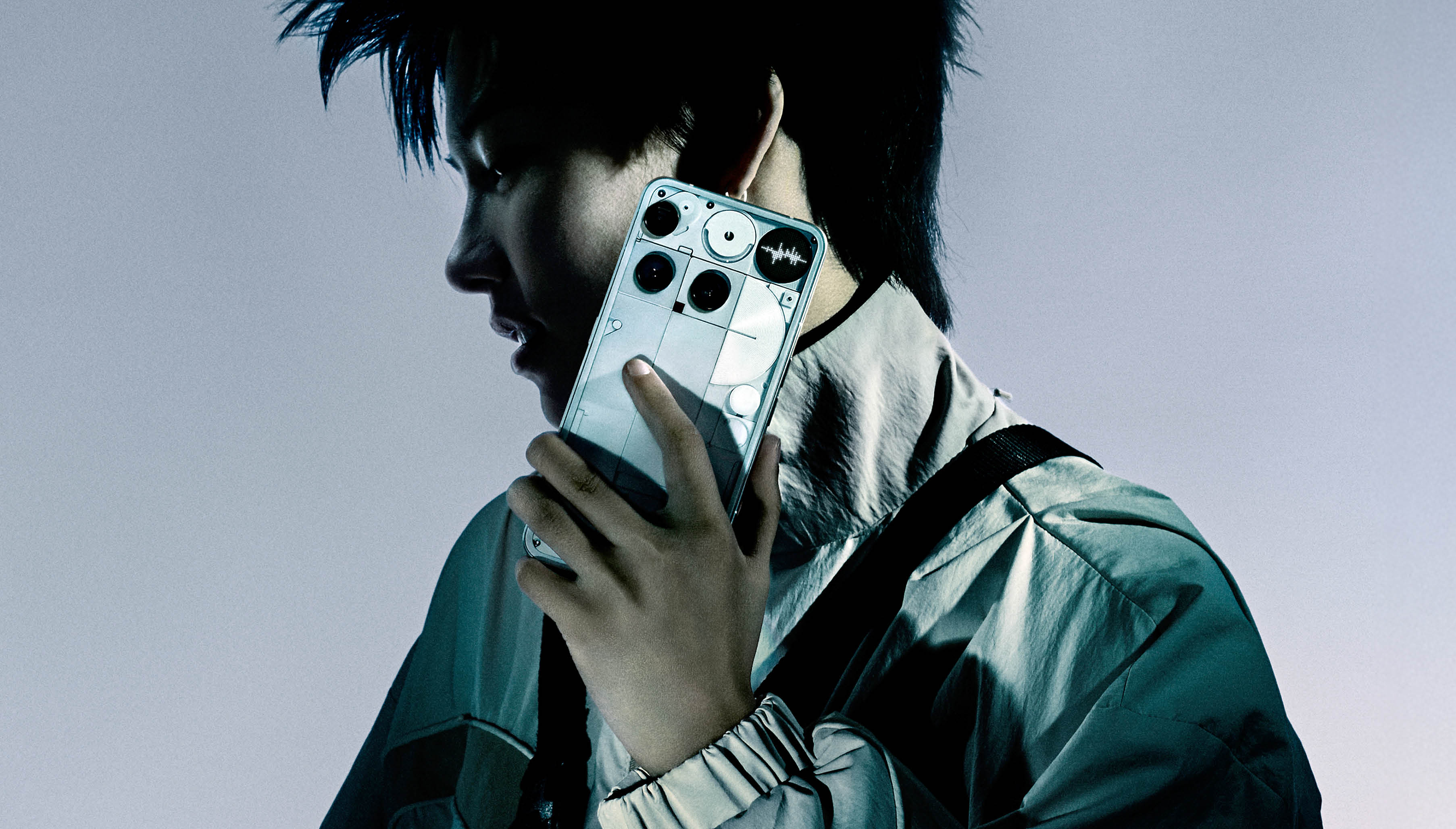
This is easily Nothing’s highest-end handset to date, with more storage, beefier performance, a bigger battery with wireless charging, and longer software support than Nothing phones of the past. It starts with the build, and the phone looks every bit the part its new flagship status and pricing would demand – solid heft in the hand, an iPhone-esque brushed metal aluminium frame and Gorilla Glass layers on the front and back. The rear panel is…different, and not in a good way. There’s an odd interplay of the symmetrical and the asymmetrical, so while there are the clean lines of three equal columns on the rear transparent panel, there’s this almost-haphazard placement of the camera module and the new circular monochrome display Nothing calls the Glyph Matrix. It’s a polarizing design (more on that later), one that goes a bit too far with its edgy, discordant look, one that you may not warm up even some use.
On the other hand, it certainly does stand out from the crowd, with the 489 LEDs that make up the rear display lighting up to indicate new notifications (with custom icons for apps), cycling through stuff like battery status or the time, solar position, a stopwatch or a bunch of micro-games, via a touch-sensitive button built into the see-through rear panel. We’ve seen dot-matrix screens on phones earlier as well, and while this feature has been implemented well, one was left missing the old glyph lights and the main character energy they brought to previous Nothing phones.
Enough of the divisive design, here’s something we can all agree upon – Nothing’s clean, bloatware-free skin atop Android 15. It’s clean, easy to use and full of widgets with the kind of design consistency rare to see in other Androids. Nothing resisted the compulsion to go big with the Phone (3)’s screen, settling on a just right 6.67-inch, 120Hz display, smaller than the OnePlus 13 but larger than the iPhone 16/S25. Visuals are crisp, colours rich, and HDR10+ support mated to a capable set of stereo speakers means games and movies are well and sorted. I’m still warming up to Essential Space, Nothing’s AI-powered notes-to-self organizer triggered by the Essential Key, but the new flip to record mode with conversation transcription is a godsend if you have one too many meetings and are too lazy busy to make notes.
Courting controversy elsewhere is Nothing’s choice of silicon to power its flagship phone, but Nothing has never chased raw specs over experience. In all fairness, the Snapdragon 8s Gen 4 chip slots itself behind the top-shelf Snapdragon 8 Elite that powers the OnePlus 13, the Samsung Galaxy S25 or the Xiaomi 15, but unless you’re a gamer or a 4K-video-editing pro looking for absolute grunt, real world performance will not let you feel shortchanged on performance one bit, no matter whether you pick up the base model with 12GB of RAM or the pricier 16GB variant. It does support the latest Bluetooth 6.0 and Wi-Fi 7 standards for connectivity.
Equally well-equipped in the camera department, the Phone (3) comes with a trio of 50MP cameras, with an optically stabilized primary shooter paired with an 114-degree field of view ultrawide and dedicated 3x periscope telephoto camera, the latter for macros and punched-in shots for portraits. Photos taken on the main camera deliver well on detail and dynamic range, though there’s a noticeable shutter lag and low-light performance falls well behind its segment peers. The ultrawide is nearly as good on details, but the surprise factor is the 3x zoom camera, which lets you get incredibly close to subjects while capturing plenty of detail. In all, it’s a good camera setup, if not the best in class.
What We Didn’t Like
Aside from the contentious design, the one bugbear one faced on a daily basis was the placement of the Essential Key, altogether too close to the power/standby button, so I was oftentimes accidentally taking screenshots when I just wanted to lock/unlock the phone.
The other area where Nothing played it safe was with the 5500mAh silicon-carbon battery, which while lasting a day on a full charge often was touch and go by the time I set it on the wireless charger at the end of a busy day. You’ll want to carry a power bank for good measure if you’re out for long hours and on power-draining 5G data for most of the day. Wired charging at 65W is faster than anything Google, Apple or Samsung will sell you, but much like them, there’s no charger in the box. And while you do get 15W wireless charging, it would have been nice to see Nothing lead the way for Androids phones with the new magnetic power profile to add MagSafe compatibility as on the iPhones.
There are other chinks in Phone (3)’s flagship armour which, while they may not impact your everyday usage, are worth considering, particularly when you line it alongside peers at its now steeper price point (Rs. 79,999 onwards). For instance, the chipset that powers the Phone (3) can be found on phones less than half its price. Or for that matter, Nothing’s choice to skip LTPO tech for the display to be able to drop down to 1Hz for static content, reducing battery drain. It does get IP68 dust-water protection, but its choice of screen protection and USB speeds are decidedly mid-range. It may be a Nothing flagship, but it feels held back on these accounts when compared to the likes of the Samsung S25 series, OnePlus 13 or the base iPhone 16.
Verdict
It comes down to this – you’re going to get the Phone (3) if you really vibe with the product…or if you want something truly unique, a device that stands out in the sea of sameness. The brand has, yet again, turned out a product that you may praise, disagree with, glorify or vilify… but one you simply cannot ignore.