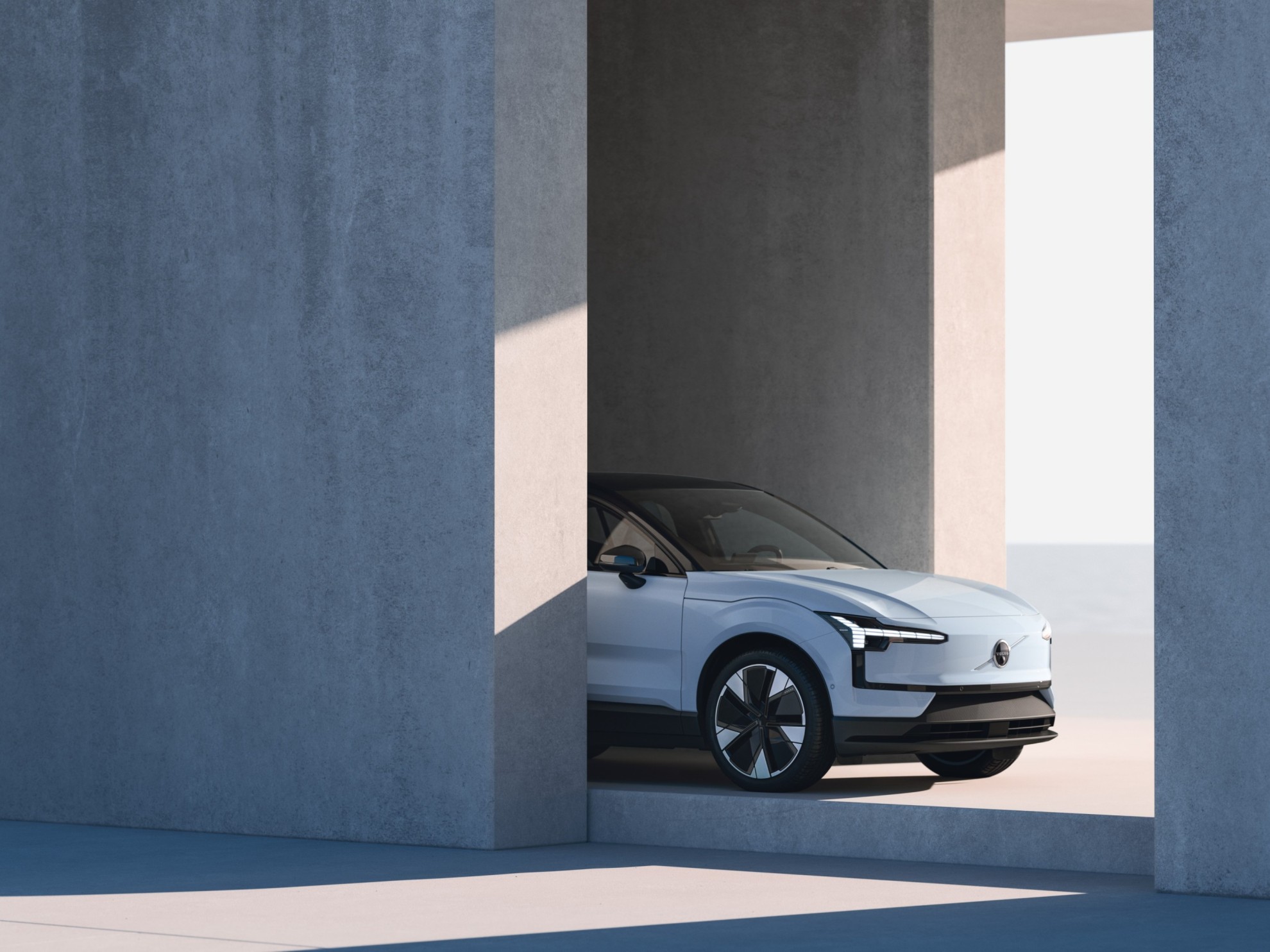
The Volvo EX30 Packs A Punch
Compact in size but bold in ambition, the EX30 shows that luxury and electric mobility can coexist
Don’t be fooled by the size of Volvo’s latest EX30. It’s Volvo’s smallest SUV ever, yes, but it’s also its boldest step into India’s EV future. And after a day of living with it, driving it through Jaipur’s chaos and the long straight roads outside the city, I came away thinking this could be the best beginner EV for anyone flirting with the idea of going electric—without wanting to give up on luxury.
First Impressions
Let’s get the basics out of the way. The EX30 sits in that slightly confusing category of “small SUV”—though really, it’s closer to a large hatchback with some extra stance. It’s unmistakably Volvo: Thor’s Hammer LED DRLs up front, crisp surfacing, and an absence of fussy lines or fake vents. It doesn’t scream futuristic spaceship the way some EVs try to.
Instead, it whispers Scandinavian calm.
The proportions are neat. At just over 4.2 metres long, it’s shorter than a Hyundai Creta, but because of the big 19-inch wheels and pronounced arches, it feels more planted. The rear, with its split vertical tail lamps, carries the family resemblance of the bigger EX90. In a world where luxury EVs often try too hard, the EX30 earns points by not trying too hard at all.
Inside the Cabin: IKEA Meets Spotify
Slip inside and you’re greeted by what Volvo does best—minimalism without austerity. The dash is dominated by a 12.3-inch portrait touchscreen, running Google’s infotainment system. Maps, Assistant, Play Store—it’s all baked in, which means you’re not wrestling with clunky proprietary software.
I particularly liked two things. First, the lockable glovebox (which is opened from the screen and can be PIN-protected). In a country where leaving valuables in the car always feels risky, this is an oddly comforting feature. Second, the Harman Kardon sound system, mounted like a soundbar across the dash. Crisp, immersive, and powerful enough to make a Jaipur traffic jam feel like a private concert.
Materials feel thoughtful—lots of recycled fabrics, a textured finish on the dash, and clever storage cubbies everywhere. It feels like IKEA designed an EV: practical, neat, and quietly premium.
But it’s not perfect. The rear seat is tight, with a high floor that leaves adults slightly knees-up. And the absence of rear AC vents is baffling in Indian summers. On a 38-degree Jaipur afternoon, I found myself apologising to anyone sitting in the back.
On the Road: Jaipur
Driving the EX30 around Jaipur was revealing. In the city, the compact footprint is a gift. It slips through gaps and U-turns without drama, and the steering is light enough for easy manoeuvring. On the highway stretch out to Amer, it shows its other side.
The single motor, rear-wheel drive setup gives you 268 bhp and 343 Nm. Translation: 0–100 km/h in 5.3 seconds. That’s hot-hatch quick, except without the noise. Press down and the surge is instant, but it’s smooth rather than snappy—like being pushed forward on a moving walkway that never ends.
What I really appreciated, though, was the suspension. Indian roads aren’t kind, and most stiff European setups get flustered on broken patches. The EX30, however, felt composed. Yes, it’s firm at low speeds—you’ll feel the potholes—but as the pace rises, it settles beautifully, absorbing undulations without tossing you around. It feels stable, planted, and surprisingly comfortable for something this small.
Regenerative braking is adjustable, and while the max setting is a bit sharp, the mid-level makes for an intuitive one-pedal drive. In traffic, it’s addictive.
Range and Reality
On paper, Volvo claims 480 km WLTP range, which in India translates to around 350–370 km in real-world conditions. That’s enough to comfortably do a Delhi–Jaipur run on a single charge. With 153kW DC fast-charging capability, a 10–80% top-up can be done in under 30 minutes—assuming you can find a charger that delivers on its promise.
For urban buyers, this balance feels just right. Enough range to banish range anxiety on weekday commutes, enough performance to keep weekends entertaining.
Tech and Safety: Volvo’s Comfort Zone
This is a Volvo, so safety is baked into its DNA. Multiple airbags, ADAS features like lane-keeping assist, adaptive cruise, and a clever “door opening alert” that warns if a biker is coming up from behind. It feels like the car is constantly looking out for you.
The tech, meanwhile, is a mixed bag. The Google-based system is fantastic. But the over-reliance on the central touchscreen for even basic functions—adjusting mirrors, opening the glovebox—can be distracting. Volvo calls it minimalism. I call it slightly annoying.
The Verdict: Small Car, Big Question
So, does the EX30 make sense in India? Yes—and no.
Yes, because it’s compact, premium, safe, and genuinely fun to drive. It feels like a Volvo through and through, not a cut-down compromise. The suspension, the sound system, the clever cabin—all of it adds up to a car that feels considered.
But the expected price might put the car in tricky territory. Perhaps, for the same budget, you could have a BMW iX1 or a Hyundai Ioniq 5, both larger and arguably more practical. The EX30 is better-looking than the Hyundai, more engaging than the BMW, but also a little less spacious than both.
Here’s where I land: the Volvo EX30 is less about ticking every box and more about appealing to a certain buyer. Someone who values design, safety, and an intelligent kind of luxury. Someone who wants to enter the EV world with something compact but premium. Someone who doesn’t mind explaining why their Volvo is smaller than their neighbour’s Creta.
For that person, the EX30 is the most interesting Volvo in years.