Where Have The Plus Size Male Models Gone?
Amid the spectacle of fashion week, his absence stands out
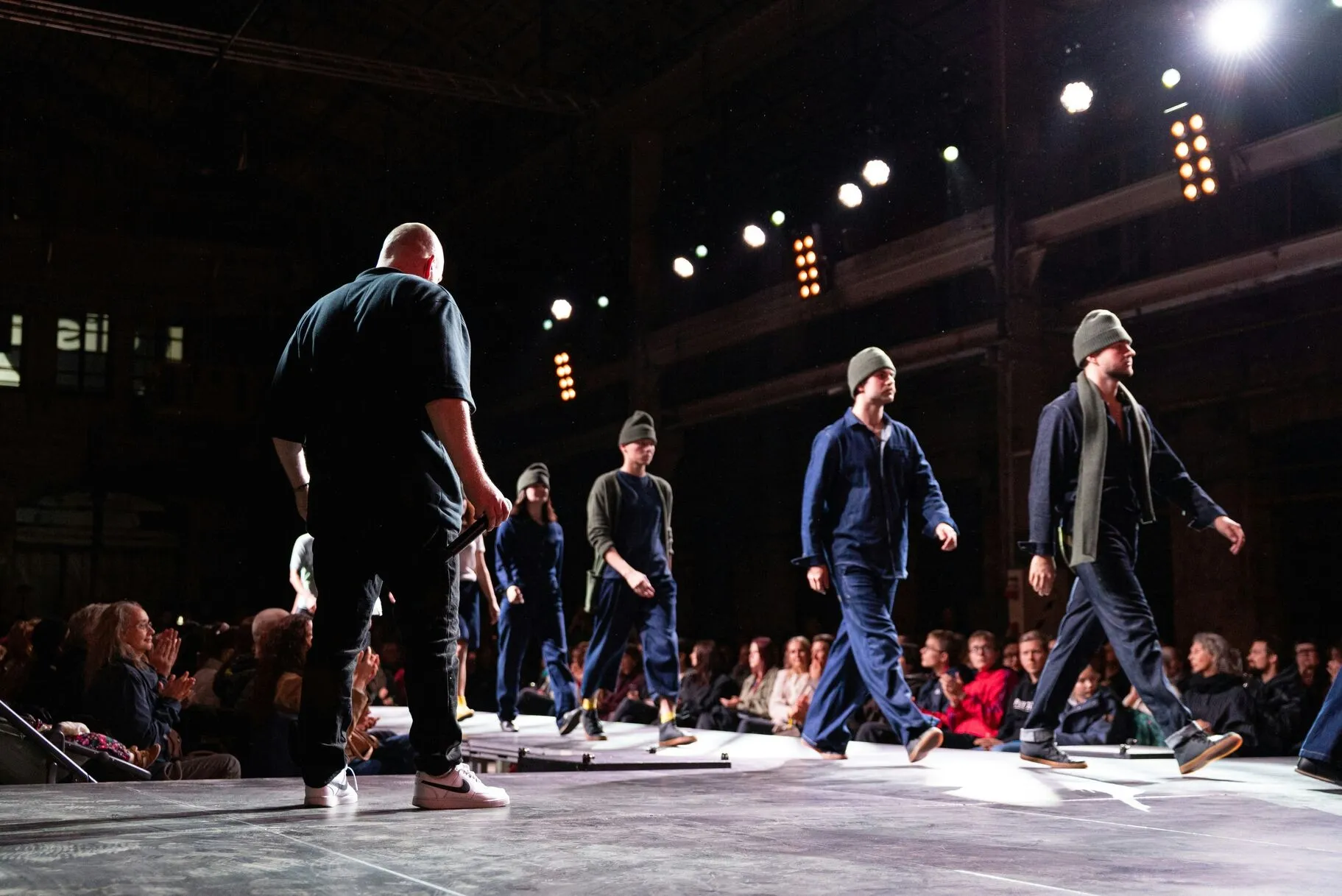
I attended a runway show at Lakme Fashion Week X FDCI 2026 in Mumbai a couple of days ago and managed to get a very good front row seat, next to a leading magazine editor-in-chief and a fashion editor of another reputable one. It was the perfect spot to watch the show unfold, perfectly visible silhouettes on models before they turned to leave the ramp and the best to capture the show live for the social media attendees.
As the routine demands at a fashion week, everyone had their phones out recording the models strutting across the room until for one particular model, the hands went down. As shocking as it were to witness it as a unseasoned attendee who has been raised on the promises of the body positivity movement, the reality hardly felt jarringly out of time.
While plus size models in India have successfully carved out visibility for themselves, especially female models, the representation remains almost reluctantly accommodated by the casting and designing teams. When it comes to men modelling for the runway, the truth hits much harder. The expectations are to be tall, muscularly lean, with arched eyebrows, sharp jawline and hollows for cheeks- safe within the confines of a sample size. The shift to the other side of the metrics has hardly begun.
Historically, across the industry- not just in India- plus size or full figure is seen with a conservative look though if you walk into a retail store, you'll find some room for those sizes stacked in a corner. At least, in the fast-fashion retail stores. All this is despite the large diversity of demographic in India. According to The Lancet (2022), obesity among men in India is on the rise, with over 26 million men affected. And yet, representation for those that sit outside the sample size has not expanded in proportion to reality. If anything, the industry's brief flirtation with inclusivity has begun to recede.
Decline of Body Positivity Movement
The body positivity movement, which once pushed for full-figure into mainstream vocabulary, bringing diversity to conversation, managed, at least momentarily, to nudge fashion toward a broader understanding of beauty and representation. But its impact was always uneven, more visible in rhetoric than than in structural change. Today, that momentum appears to be reversing.
The renewed cultural preference for ultra-lean physiques- popularly distilled through trends like Ozempic body- signals a return to thinness as the dominant ideal. Moreover, the plus size actors and musicians in Hollywood that people were used to seeing, have largely dropped more than a few pounds to be closer to the sample size.
For men especially, to create a space for the plus-size in the mainstream means going against the grain. Incel cultures today are preaching the young that a certain figure can be achieved through discipline, some DIY extreme aesthetic changes and by goign under the knife to be more appealing. The looksmaxxers as they call it pushes for the optimised vision of the male body. It's the one that prizes leanness, symmetry, and control.
Despite, the likes of gender fluidity, inclusivity and diversity hotly centred around fashion weeks across the globe and in India, the truth be told, the fashion world for all its reputation for innovation and reinvention, remains strikingly rigid when it comes to some of its fundamental ways.
While it readily experiments with silhouettes, fabric and design language, it also resists similar evolution in the bodies that it chooses to showcase on.
Could then the rise of menswear in India influence representation on the runway, too?
On one hand, the growth of menswear is expanding the attention, investment and creative experimentation as we saw at this year's Lakme Fashion Week in Mumbai and otherwise on international runway throughout last year. As more designers build dedicated menswear lines, more runways feature male looks and the broader conversation around men presenting themselves through fashion brews, in theory, at least, this could create space for a wider range of bodies to be included, simply because there's more menswear to showcase, more conversations to eb had around men and their taste and their identities.
However, in practice, increased volume does not necessarily translate into increased diversity. And so the question lingers, uncomfortably simple and yet unanswered: where has the plus-size male model gone?