41 Years Later, India Is Back In Space
Shukla’s two-week mission aboard the ISS is a crucial step toward India’s space future
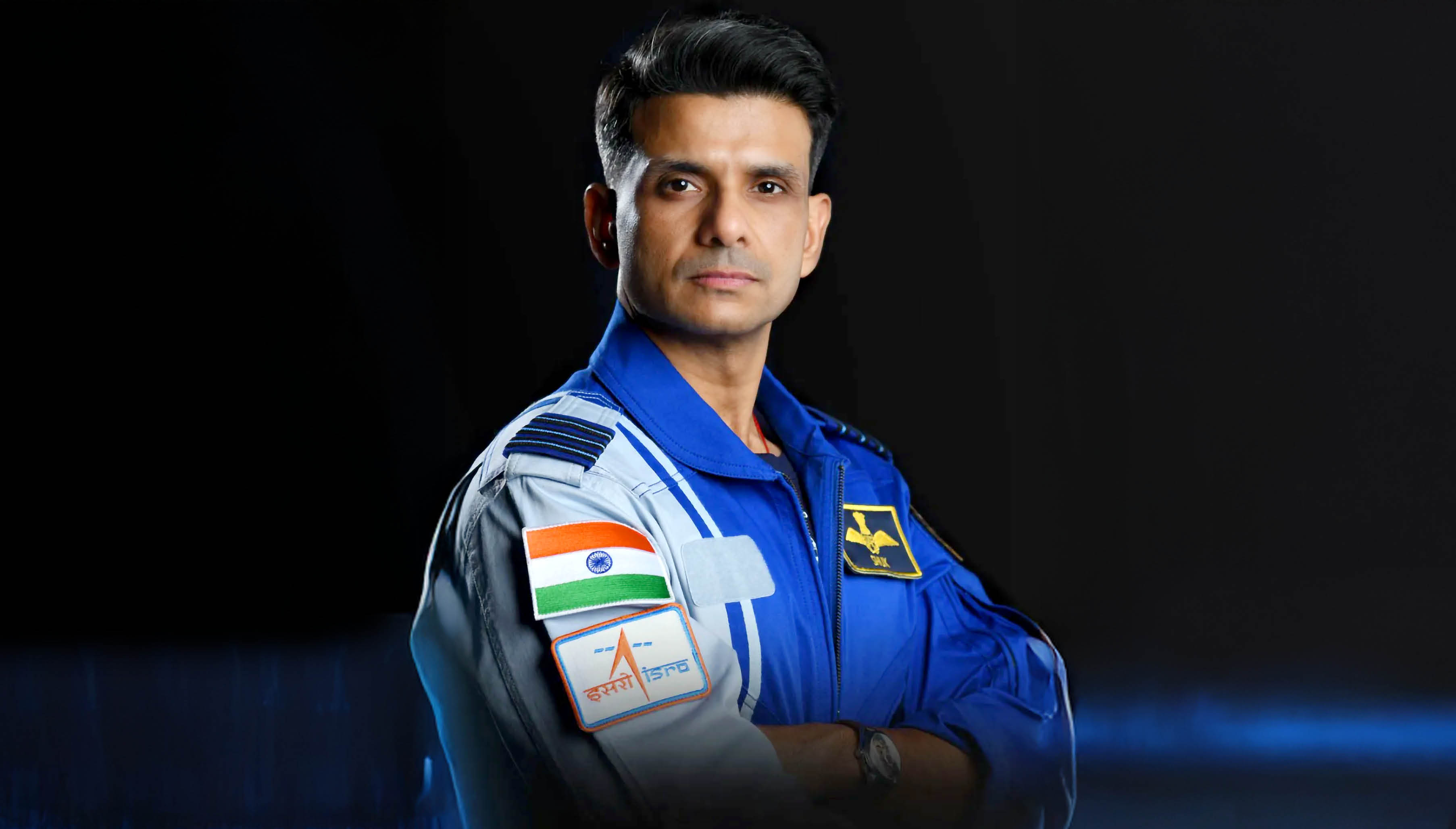
It took 41 years to get here. But on June 25, when SpaceX’s Falcon 9 rocket ripped through the sky over Florida, India clocked in a cosmic milestone. Aboard the Grace capsule of the Axiom-4 mission, Group Captain Shubhanshu Shukla became the first Indian astronaut to reach the International Space Station.
Not since Rakesh Sharma’s 1984 mission aboard a Soviet Soyuz spacecraft has an Indian broken through Earth’s atmosphere. But this isn’t just a nostalgia trip. Shukla’s ride marks India’s formal entry into the international commercial space scene — not as an onlooker, but as a collaborator, a contender, and very much a future leader.
“Namaskar from Space”
If you were expecting a grand, cinematic quote to rival “Saare Jahan Se Achha,” think again.
Cool, calm, slightly sleep-deprived, floating in vacuum, toy swan in tow. “Namaskar, my dear countrymen. We have reached space after 41 years,” he said from orbit — humble, human, historic.
That’s the tone Shukla’s set from the start — pragmatic, almost underplayed. He admitted he wasn’t even feeling excitement pre-launch. “After 30 days of quarantine, I just wanted to go,” he said. Once in space, it was surreal: “You were getting pushed back in the seat… and then suddenly, nothing. Everything was silent. You were just floating.”
What He’s Doing Up There — and Why It Matters
Shukla isn’t just orbiting for headlines. Over the next 14 days at the ISS, he and his international crewmates will conduct more than 60 experiments across fields like space medicine, technology, and Earth observation. For India, the most critical takeaway is this: operational experience.
Shukla is one of the four test pilots shortlisted for India’s upcoming Gaganyaan mission — ISRO’s first indigenous human spaceflight set for 2026. What he learns here will feed directly into the systems, routines, and protocols for that mission. One key experiment he’s involved in is studying how cyanobacteria (the same bacteria that once oxygenated Earth) behave in microgravity. If they can generate oxygen in orbit, they could be key to future long-duration missions.
Curry in Orbit, and a Toy Swan Named Joy
Amid all the science and strategy, the human touches remain. Each astronaut brought food from home — Shukla’s contribution: curry, rice, and mango nectar. Floating beside him is “Joy,” a toy swan that serves as their zero-gravity indicator.
It’s spaceflight, but make it personal. The significance here runs deep. Axiom-4 is a private mission, but Shukla’s seat is backed by the Indian government — making it the first such Indian space mission since the Cold War era.
So, What Now?
The launch of Axiom-4 isn’t just a headline for the day. It’s the soft launch of a new Indian space identity — one that’s collaborative, ambitious, and quietly confident. Shukla may have floated out of the capsule with grace, but this is a much louder arrival for the country.
At City Montessori School in Lucknow, Shukla’s alma mater, his parents watched the launch through tear-filled eyes. Across the country, Prime Minister Modi and President Murmu congratulated him, calling it a moment of pride and promise. “The world is indeed one family—Vasudhaiva Kutumbakam,” the President said, nodding to the multinational crew aboard Grace.
In the silence of space, Shukla may be drifting. But from where we stand, India’s space story has never felt more grounded—or more ready for lift-off.