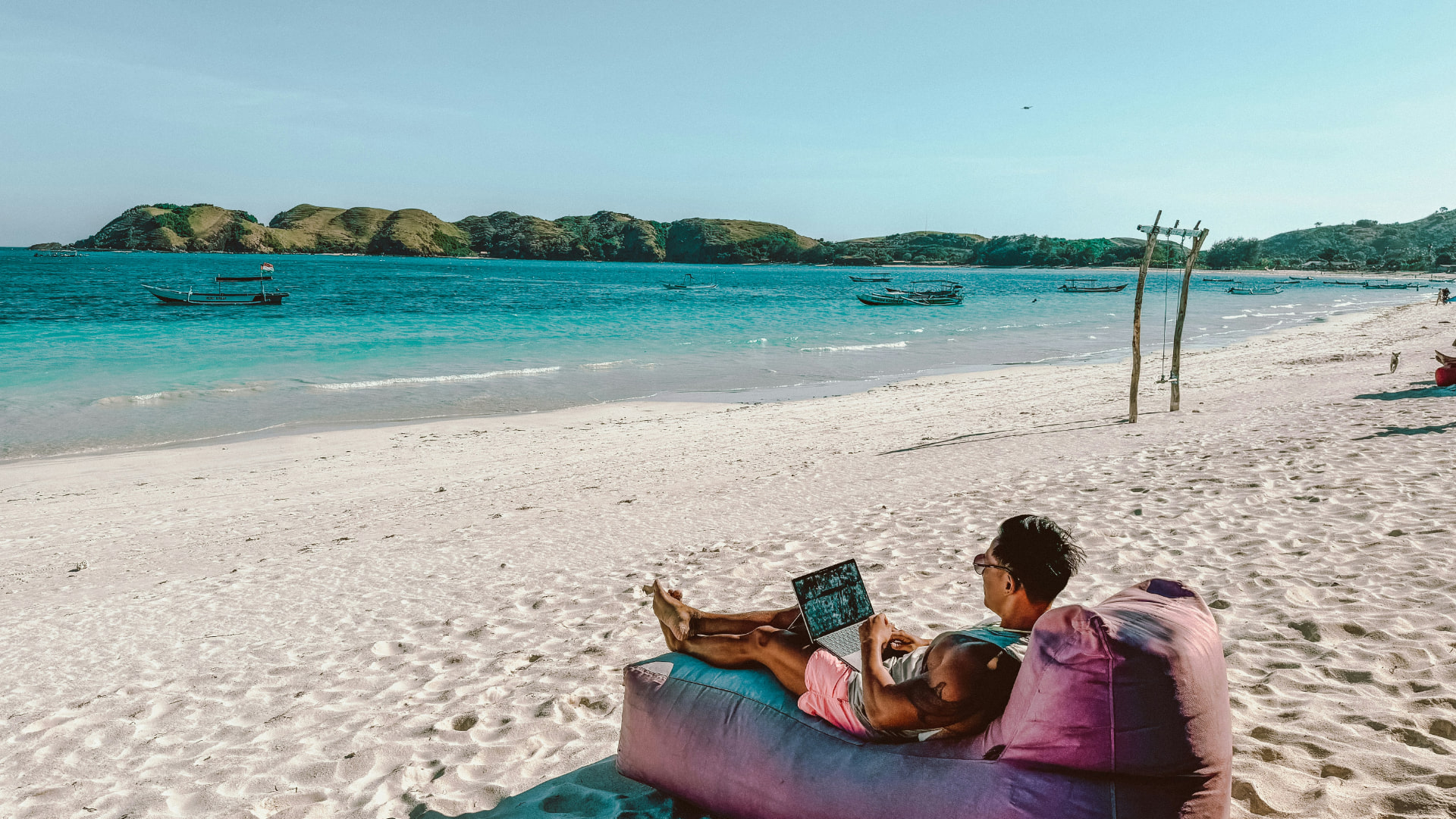
The World's Most Affordable Digital Nomad Country Is India Right Now
Here’s what it really takes to live and work from anywhere as a digital nomad
India is crowned the best country in the world for digital nomads, and it makes sense. The cost of living is low, the Wi-Fi is relatively fast enough, the food is distinctively delectable and the scenery- wherever the roads take you and chaos in between is undeniably seductive.
So, for those of us living in the country, it is almost as if foreseen that India is the most affordable digital nomad country in the world. For the foreign freelancer, it's a revelation.
A lot of us have done the backwaters, the cold brews in Bir, the post-lunch nap in a mountain-facing co-working pod, even dialled into meetings from hill stations with power cuts and taken brainstorming calls while cows stroll past the café window in some scenic place in the hills. At some point, for those who have been there done that the question lingering under the praise is quiet and persistent: where to now? Where next? A digital nomad country is the answer.
The Visa That Says, “You Can Stay”
Digital nomad visas- that phrase floats around LinkedIn posts and Instagram captions, sounding more like a lifestyle brand than an actual legal framework. But it’s real.
A digital nomad visa allows someone to live in a foreign country and work remotely for a company based elsewhere. It usually lasts 12 months, sometimes longer. There’s paperwork, yes, but less than a traditional work visa. No job offers are required nor a company sponsorship. Just proof that you’re earning and ideally, not planning to become a burden on the host country. Especially now more than ever given immigration has become a hot topic in geopolitics.
But why are a lot of countries favouring a digital nomad ?
Not long ago, the idea of working from a laptop while sipping espresso in Lisbon or watching the sunrise over Bali felt like something only tech bros or Instagram influencers could pull off. But in the post-pandemic reality of hybrid schedules and Zoom culture, the digital nomad lifestyle has gone mainstream or at least plausible.
As of late 2024, 66 countries are offering digital nomad visas as the people travelling to work remotely and to enjoy some adventure post work hours enable employees to travel and legally work from a foreign country without having to obtain a work visa or pay expensive global immigration costs. Since most countries allow for extensions, one can enjoy all the benefits of global mobility and living like a local, and sometimes even legal residence status, without the extra legwork.
Today, it’s not just for the wanderlust-stricken or the permanently online. It's for anyone with a Wi-Fi signal, a marketable skill, and the courage to trade cubicles for co-living spaces and Slack notifications from three time zones away. But the reality of becoming a digital nomad is a little more complicated than buying a plane ticket and packing your laptop. It requires planning, adaptability, and a healthy sense of humor when you realise your “beach office” has no outlets.
How to make it work and actually enjoy the ride:
Start with What You Can Sell
Before you even think about booking a one-way ticket to Thailand, you need to figure out how you’re going to make money on the move. The digital nomad lifestyle only works if you have work to do and more importantly, clients or employers who don’t care where you are, as long as you deliver.
If you’re already in a remote-eligible role, great ! Talk to your boss, establish expectations, and be upfront about time zones. If not, you may need to pivot. Popular paths include freelancing (writing, design, marketing, software development), virtual assistance, consulting, or launching an online business. You don’t have to become a travel influencer or build a startup overnight, but you do need a stable income that isn’t tied to one location. The goal is freedom, not financial free-fall- that's dangerous.
Secure Work, Then Take Off
Think of it like this: remote work is the engine, but location independence is the steering wheel. You can’t steer if you’re not moving. Start by testing the waters — work from home, try coworking spaces in your own city, see how you manage self-discipline without office structure. If you’re freelancing, build a client base before you hit the road. The last thing you want is to land in Mexico City with no income and no plan.
Also: don’t underestimate the logistics. Banking, taxes, health insurance — all of it gets trickier when you’re bouncing between continents. Countries like Portugal, Estonia, and Costa Rica now offer “digital nomad visas,” which legitimise your stay beyond the usual tourist rules. It’s worth doing your homework, or better yet, talking to a tax professional who speaks fluent "expat."
Pick the Right Places
Instagram would have you believe the digital nomad dream means typing from a hammock. Reality? You’ll need solid Wi-Fi, safe neighborhoods, and decent coffee. Some places just get it: Lisbon, for instance, has a thriving tech scene and late-night vinho verde whereas Chiang Mai offers low living costs and an international freelancer network while Medellín is high on energy and fast on fiber-optic internet.
Wherever you go, be honest with yourself. Are you chasing cultural immersion, nightlife, natural beauty or just somewhere warm with strong Wi-Fi? There’s no wrong answer, but trying to do it all can leave you rootless and exhausted. Some nomads move every few weeks. Others set up shop for six months or more. The key is finding your rhythm.
Travel Light, Pack Smart
There’s an art to packing like a digital nomad, and minimalism wins every time. That heavy second pair of boots? Leave them. Your backpack becomes your office, your closet, and your home. Invest in a light laptop, a good travel adapter, noise-cancelling headphones, and a VPN to keep your data secure on public Wi-Fi. Back up everything. You'll thank yourself the first time your hard drive fails in a foreign country with no Apple Store in sight.
And while you’re at it, keep digital copies of your passport, vaccine cards, and insurance. You never know when your phone will die at immigration or your bag will take an unexpected detour to Istanbul.
Find Your People
The digital nomad community is real, and it’s global. Coworking spaces double as social clubs whereas Facebook groups become lifelines for housing, meetups, and troubleshooting bureaucratic nightmares. Moreover, platforms like Nomad List help you find cities based on internet speed, cost of living, and quality of life. You don’t have to go it alone and you shouldn’t unless you are really sure you won't become emotionally drained.
Loneliness is a real part of this lifestyle. Constant movement means friendships are often transient. But it also opens the door to conversations and connections you’d never make if you stayed in your hometown. Say yes to dinners. Join language exchanges. Talk to strangers at the café. It all counts.
Digital nomad visas also benefit the country, supplying additional tourism and bolstering the economy with extra spending. According to the 2025 Global Digital Nomad Index by Global Citizen Solutions these are the most affordable countries for nomads right now:
India
Ecuador
Malaysia
Colombia
Namibia
South Africa
Armenia
Mauritius
Serbia
Philippines
So, if the news around digital nomads, visa free travels or adventure in general is making your feet restless, then maybe you should seriously give becoming a digital nomad a thought.