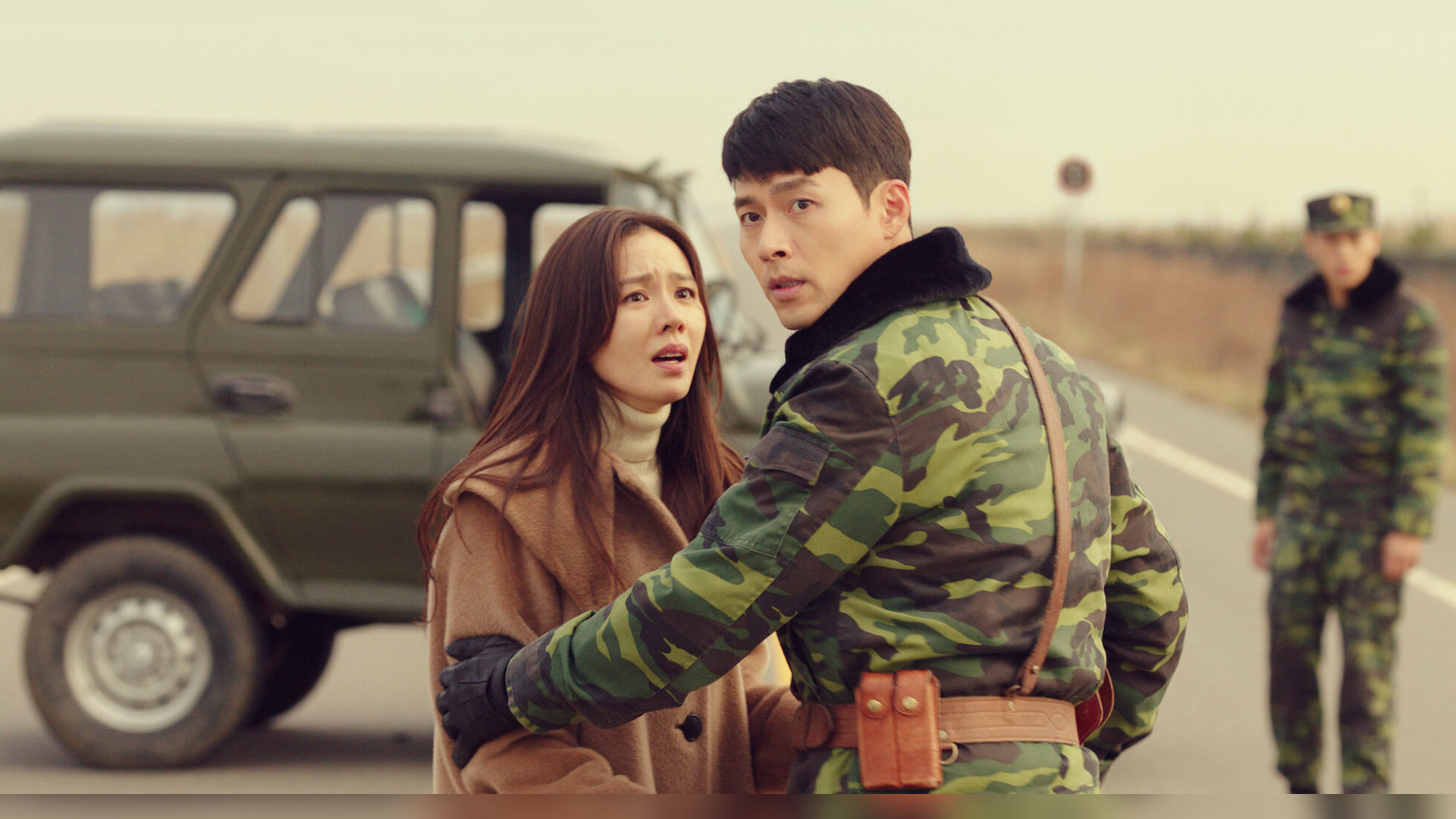
Men, Are K-drama Boyfriends Ruining Your Relationship?
He listens. He cries. He buys candles. And your girlfriend loves him
In the quiet intimacy of modern relationships, a curious cultural tension has emerged. It surfaces between conversations, during dinner-table glances, or late at night when a new episode begins to play on the TV. A woman, wrapped in a blanket, leans closer to the screen, her expression softening. Her partner, next to her, watches too—partly amused, partly uneasy. The male lead onscreen is tender, intuitive, impossibly attuned to the emotional atmosphere. Somewhere down the line, the male lead crawls for 24-hours to be with the love of his life. The woman turns around and glares at her boyfriend and says, “…and you couldn’t get me flowers?”
Suddenly, between the soft lighting and the quiet piano soundtrack, a question lingers unspoken: Is this the kind of man I’m supposed to be?
Over the past decade, the K-drama male lead has undergone a striking evolution—from the emotionally withdrawn, domineering archetype to something far more nuanced: the kind, self-aware, emotionally literate partner.
The K-drama male lead used to look a lot like Goo Jun-pyo from Boys Over Flowers: rich, rude, emotionally constipated, and somehow still desirable. That old-school toxic alpha, all punch and pout. But somewhere around Healer and It’s Okay to Not Be Okay, the needle moved.
These characters, now staples of Korean romantic television, have become aspirational models of modern masculinity. And for many heterosexual men in real relationships, they’re beginning to cast a long shadow.
At first glance, the archetype may seem benign—attractive even. He’s compassionate and emotionally present, often vulnerable in ways that Western media rarely allows male characters to be. He supports his partner’s ambitions, respects her autonomy, and communicates his needs without retreating into silence. He’s strong but not stoic, successful but not overbearing. And crucially, he listens. In shows like Extraordinary Attorney Woo or Hometown Cha-Cha-Cha, these men function not as stoic leads but as partners to our glorious lead women.
It’s not difficult to see why these portrayals resonate with so many women. But it’s also not difficult to understand why some men find themselves increasingly unsettled by them.
And a large part of that is because what these characters represent is, in fact, quietly unattainable.
A Different Kind of Pressure
Masculinity, for all its cultural iterations, has long been bound to notions of performance. Be successful, be strong, be steady. The K-drama boyfriend doesn’t reject those ideals—he simply adds more to the list. Now, men must also be sensitive, emotionally articulate, non-reactive in conflict, and attentive in a way that feels almost psychic. They must be stable providers and spontaneous romantics. They must apologise meaningfully and understand trauma-informed communication. In short, they must embody a kind of emotional precision that, for many, was never taught, let alone modelled.
This isn’t to say the archetype is inherently harmful. In fact, it represents one of the more progressive shifts in televised masculinity. But it does introduce a new cultural dynamic—especially in relationships—where women’s expectations may be quietly recalibrated not by other real men, but by characters designed in writers’ rooms, often by women, for a primarily female audience.
And here lies the central paradox: these men are appealing precisely because they’re written to be ideal. And yet, real men—living, flawed, work-in-progress men—must now contend with the silent comparisons these characters invite.
Not Unrealistic, But Curated
To reduce the K-drama boyfriend to fantasy would be to miss the point. These characters may be romanticised, but they aren’t wholly implausible. What’s different is that K-dramas offer a space where those traits are prioritised, where emotional labour is not exclusively the woman’s burden, and where masculinity is decoupled from dominance.
For men, this can feel less like a threat and more like an invitation. The modern relationship, after all, is increasingly predicated on partnership—not performance. And K-dramas, for all their stylised storytelling, may offer an instructive look at what that partnership can look like when it’s built on mutual emotional fluency.
A Mirror, Not a Mandate
There is no need, of course, to become a K-drama lead. Real life offers no orchestral soundtrack, no perfectly timed monologues, no script. But that doesn’t mean these characters are irrelevant. If anything, they function as cultural mirrors—reflecting the evolving shape of what it means to be a “good man” in the 21st century.
For some men, this may feel like an unfair comparison. For others, a gentle provocation. But for most, perhaps, it’s a quiet reminder that the bar is not being raised beyond reach. It’s simply being moved closer to balance.
And if all else fails? Maybe just buy the damn candles.