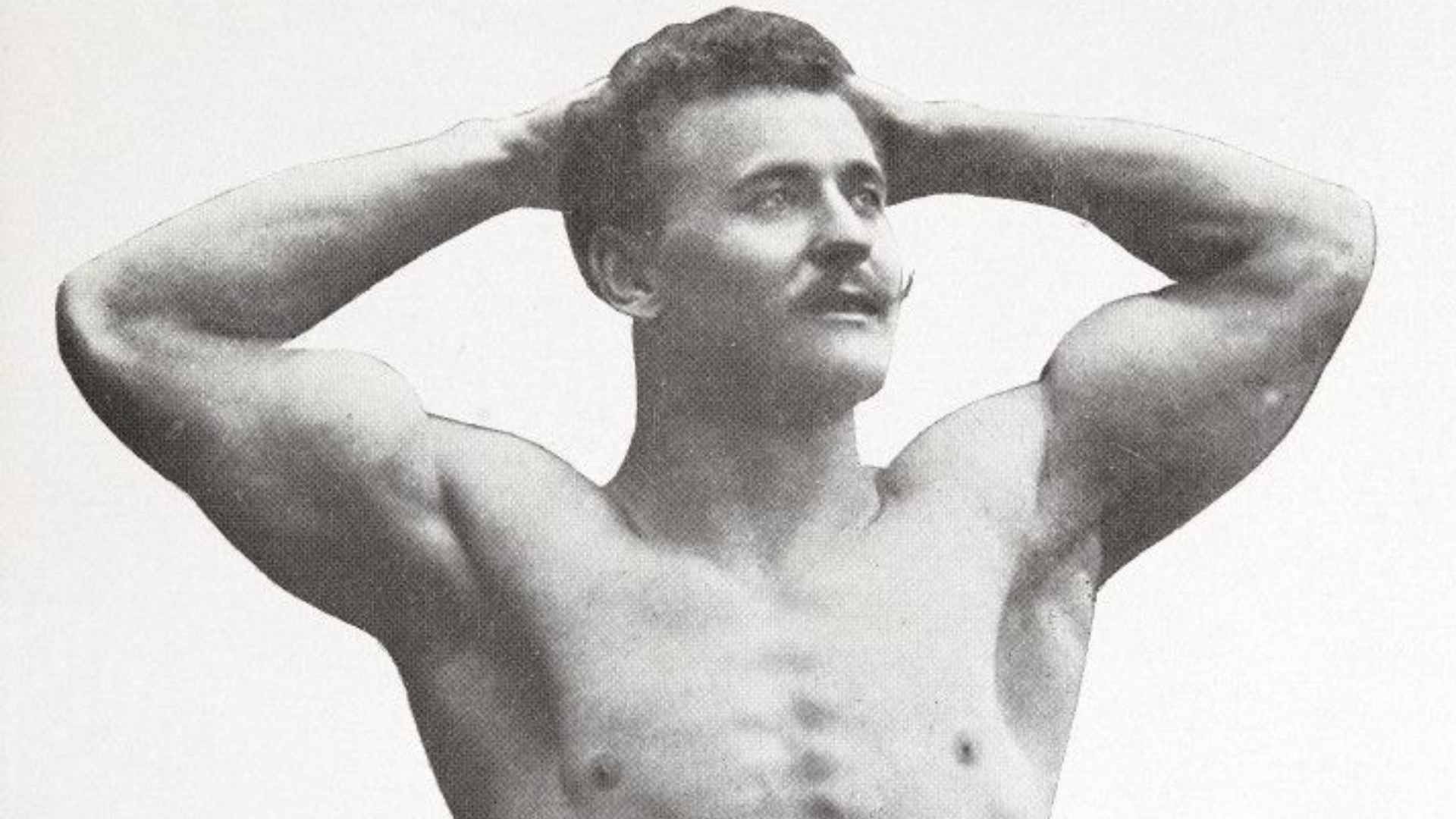
Is Positive Masculinity A Real Deal Or A Hoax?
From therapy-speak to TikTok trends, “positive masculinity” is everywhere
Not too long ago, if you typed “masculinity” into a search bar, what came up wasn’t pretty: red pills, alpha male YouTubers, and a lot of shouting about who gets to cry and who should “man up.” The internet had made masculinity feel like a rigid contest, with men either flexing their dominance or apologizing for existing.
Then came the pivot.
Suddenly, “positive masculinity” started showing up in ads, classroom toolkits, and even the mouths of Marvel actors. The message? Men can be strong and sensitive. Protective and nurturing. Assertive, but not aggressive.
Sounds good. Feels better. But here’s the uncomfortable question: Is positive masculinity actually a blueprint for a better kind of manhood or just a convenient rebrand of the same old power dynamics, now in softer colors?
So if there’s one thing the internet loves more than a comeback, it’s a rebrand. And right now, masculinity is in the middle of its biggest one yet. Gone are the days when being a “real man” meant bench-pressing emotions and swallowing pain by chugging gallons of their favourite alcohol.
Today, the trope of positive masculinity is a new, shiny label promises men can be strong, self-aware, and emotionally intelligent. The kind of man who calls out his friend’s sexist jokes and also remembers to moisturise. While, it certainly is a good idea to destigmitise the what makes and breaks the idea of 'manly men' in this day and age— the TED Talks, the panel discussions, the glossy Instagram infographics — but the real question is: is it actually solving anything? Or are we just watching the same old structure, now dressed in earthy tones and therapy speak?
Toxic Masculinity
The term “toxic masculinity” was never about hating men but refering to the narrow, destructive traits often pushed onto men — aggression, emotional repression, entitlement, that hurt everyone, including the men themselves. It’s what tells boys to stop crying before they even understand why they’re crying. It’s what rewards power, not empathy, what silences vulnerability in the locker room, and what encourages dominance as the only language men are allowed to speak.
So when along way came positive masculinity as the negator, a healthier, more self-aware alternative to the so-called traditional masculine it was tasked to- at best, break stereotypes and expand what masculinity can mean.
Men opening up about mental health? That was positive masculinity. Fathers doing more than just “helping” with parenting? Also that. Friends holding each other accountable in the group chat when someone crosses a line? Yep.
But here's a problem that often gets brushed under the rug in plain sight. A lot of what gets "marketed" as positive masculinity is just... sorry to say, basic decency. The only special thing about it is a buzzword attached to it.
Helping with housework doesn’t make you a hero, please. Crying once doesn’t make you evolved but it is nevertheless a good start. For those who deeply believe that going to therapy is revolutionary as a man, umm sure. But don't you wonder like ever that in a world where the bar for men has been on the floor for generations, the smallest actions now get packaged as acts of radical change?
Worse, some brands and influencers have seized on “positive masculinity” as the palatable, non-threatening cousin of feminism — a way to signal growth without discomfort. It’s not uncommon to see the phrase slapped onto campaigns selling cologne or sportswear, promising to “redefine manhood” while keeping everything exactly the same. A muscle-bound model staring into the distance, shirtless, captioned: “Real men feel too.” Cool. But what exactly are we doing with those feelings?
This isn’t to say the concept is useless. In fact, the world needs positive models of masculinity, that too badly. Role models who show boys that empathy isn’t weakness, men who challenge sexism without needing applause, public figures who talk about failure, softness, joy.
And no, it doesn't really count when done at award shows or when a scandal hits. When used well, positive masculinity can be a toolkit, a sort of a reset button for men to unlearn traits they have inherited generationally. Perhaps, starting with accountability won't hurt now, would it!
But it only works when it’s rooted in reality, not performance. This is not a social media platform, it is real life. When it’s less about being seen as a “good man” and more about showing up for others in quiet, consistent ways. It means doing the work: unlearning harmful behaviours, listening without ego, and accepting that sometimes, masculinity isn’t the answer at all. Humanity is.
So is positive masculinity the cure for toxic masculinity? No. It’s not a cure. But it might be a treatment, one of many, for a deeper issue that goes back centuries. It’s not about finding a new label to wear proudly, but about questioning why we ever needed such narrow labels in the first place.
Because if being “a man” is finally about being a better human?