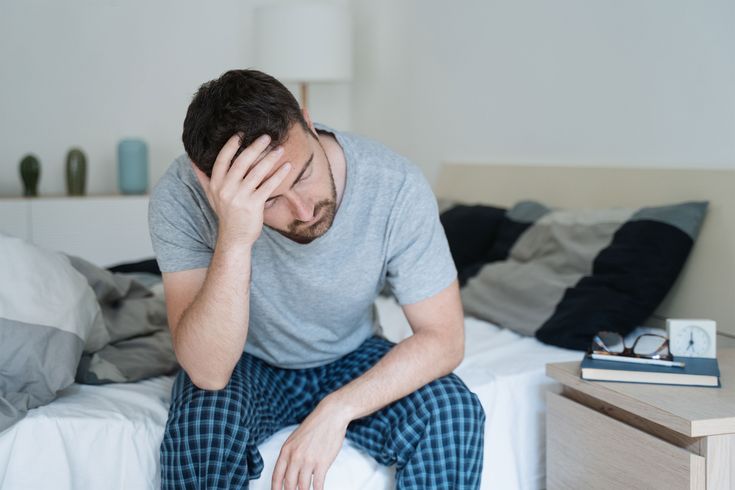
Why Indian Men Need To Stop Ghosting Their Hormones
Hot flashes, soft erections and no will to gym? It might not be burnout but Manopause
Somewhere between your 40th birthday and your fifth overpriced fitness band, something begins to shift. You’re tired more often, your moods get weirder, the gym doesn’t give you that post-pump high anymore, and your sex drive? Let’s just say it’s gone quieter than a WhatsApp group after an awkward meme.
This isn’t just stress. This isn’t ageing gracefully. This is manopause — or if we’re being technical, andropause. The not-so-sexy, not-so-spoken-about hormonal unraveling that sneaks up on men as they barrel through middle age in a cloud of performance pressure, protein powder, and pride.
Manopause, the male counterpart to menopause doesn’t come with a biological full-stop or a Hallmark card. It is the slow decline of testosterone and other key hormones and while it may not be as dramatic as menopause, the emotional and physical impacts can be just as intense.
And yet — nobody wants to talk about it.
Because talking about hormonal dips and emotional fog doesn’t quite align with the masculine mythos of "pushing through". Instead, most men brush off the fatigue, the brain fog, the weight gain, the numbness — and carry on with a confused kind of stoicism that looks a lot like burnout in better clothes.
But manopause doesn’t care about your stoicism. It arrives anyway — quietly, gradually, subtly undermining your sense of self.
“It’s very real,” says Dr. Sujit Kumar Gupta, Wellness Director at Dhun Wellness and Holistic Health Expert trained in lifestyle medicine at Lifestyle Prescriptions University, USA. “Most men begin to experience noticeable hormonal changes between the ages of 40 and 55, though it can start earlier depending on genetics, lifestyle, stress, and overall health. Unlike the abrupt hormonal shift in menopause, andropause progresses gradually, making it easy to ignore or misattribute.”
A lack of focus is blamed on too many Zoom calls. Irritability gets written off as ‘work stress’. That gut that no ab workout can touch? Mid-life metabolism, apparently. But the truth is more nuanced — and more hormonal. When testosterone starts to slip, it takes your emotional buoyancy, your physical edge, and often your bedroom confidence down with it.
The problem is, there’s no “break the glass” moment. No menopause-style clarity. Just a slow fade — and a whole lot of confusion. Which is why doctors advocate for an approach that’s less about panic and pills, and more about patterns and presence.
It means recalibrating lifestyle, not reaching for hormone patches unless absolutely necessary. And it means getting honest — not just with doctors, but with yourself. Because the hardest part of manopause isn’t the loss of testosterone — it’s the illusion of invincibility that goes with it.
It doesn’t help that Indian men aren’t exactly conditioned to talk about this stuff. Vulnerability still gets treated like a weakness. Emotional dullness is rebranded as stoicism. Even words like “libido” feel like they belong in spam emails, not serious conversations. Which is exactly why so many suffer silently — or worse, try to brute-force their way through with synthetic testosterone, vague supplements, or random gym advice.
“There’s a cultural silence around men’s emotional and hormonal health. Vulnerability is often seen as weakness, and symptoms like fatigue, low mood, or even erectile dysfunction are either ignored or masked with superficial solutions. But true wellness begins with honest conversations,” says Dr. Sujit Gupta.
Moreover, even with all these symptoms of manopause waving in your bloodstream, your bloodwork might still come back “normal.” Testosterone levels might appear fine on paper, but what matters more is free testosterone — the kind your body can actually use and most doctors don’t even test for that.
So if you’re feeling like a malfunctioning version of your past self and your physician might rule it as fatigue— they might just be looking at the wrong numbers. So, it’s important you share how you are feeling as much as the physical symptoms of it for the right diagnosis.
If you’re feeling a little off, a little slower, a little more reflective than usual—don’t panic. Don’t buy a sports car. Maybe just start with a conversation with yourself and then the doctor.