Why Do We Love Conspiracy Theories So Much?
From aliens to royal cover ups, our obsession with conspiracy theories says less about facts and more about our fears
If you've ever found yourself going down a YouTube rabbit hole at 2 a.m., watching videos on "Is NASA hiding the second sun?", congrats. You've briefly joined the vast cosmos of online conspiracy theories. It doesn't mean you've completely lost it, it just means that the plain-old human curiosity just got the better of you.
The truth is, we love conspiracy theories. They're not just some fringe hobby for the tinfoil-hat brigade. They're quite mainstream, and essentially very human. We wanted to know if Kate Middleton was actually alive or not in that Mother's Day photo. We want to really just make sure the moon landing isn't fake. We can't help ourselves. They’re the glitchy lens through which millions like us try to make sense of a world that feels increasingly chaotic, random, and out of our control.
And yet, the enduring question remains: why do we love them so much?
The Ego Trip
Let’s start with power—or the lack of it. Conspiracy theories thrive in environments where people feel powerless, or simply don't know enough about. They’re a psychological middle finger to institutions, elites, algorithms, the Illuminati—whoever’s perceived to be running the show and whoever is most likely to irk us the most. In a world full of systems you can’t understand or influence, a conspiracy theory offers clarity. It says: there is a system, and not only that—it’s rigged. And now you know the truth. That’s intoxicating.
Researchers call it the “need for uniqueness.” If you believe something others don’t, you get to feel special. That you’ve cracked the code, you’ve connected the dots. It’s the dopamine hit of feeling smarter than the sheeple. A fringe benefit of living in an age where truth feels like it’s up for auction.
Pattern Recognition on Steroids
We’re hardwired to find patterns. It’s a survival mechanism—one that once helped us spot predators in tall grass, or know that thunder usually follows lightning. But in a hyperconnected digital world, that pattern-seeking impulse runs wild. Psychologists call it “apophenia”—seeing patterns in random noise. Add a touch of paranoia and an overworked brain, and it’s not hard to see how someone connects Pizzagate to lizard people to secret bunkers in Antarctica.
Safety in Numbers
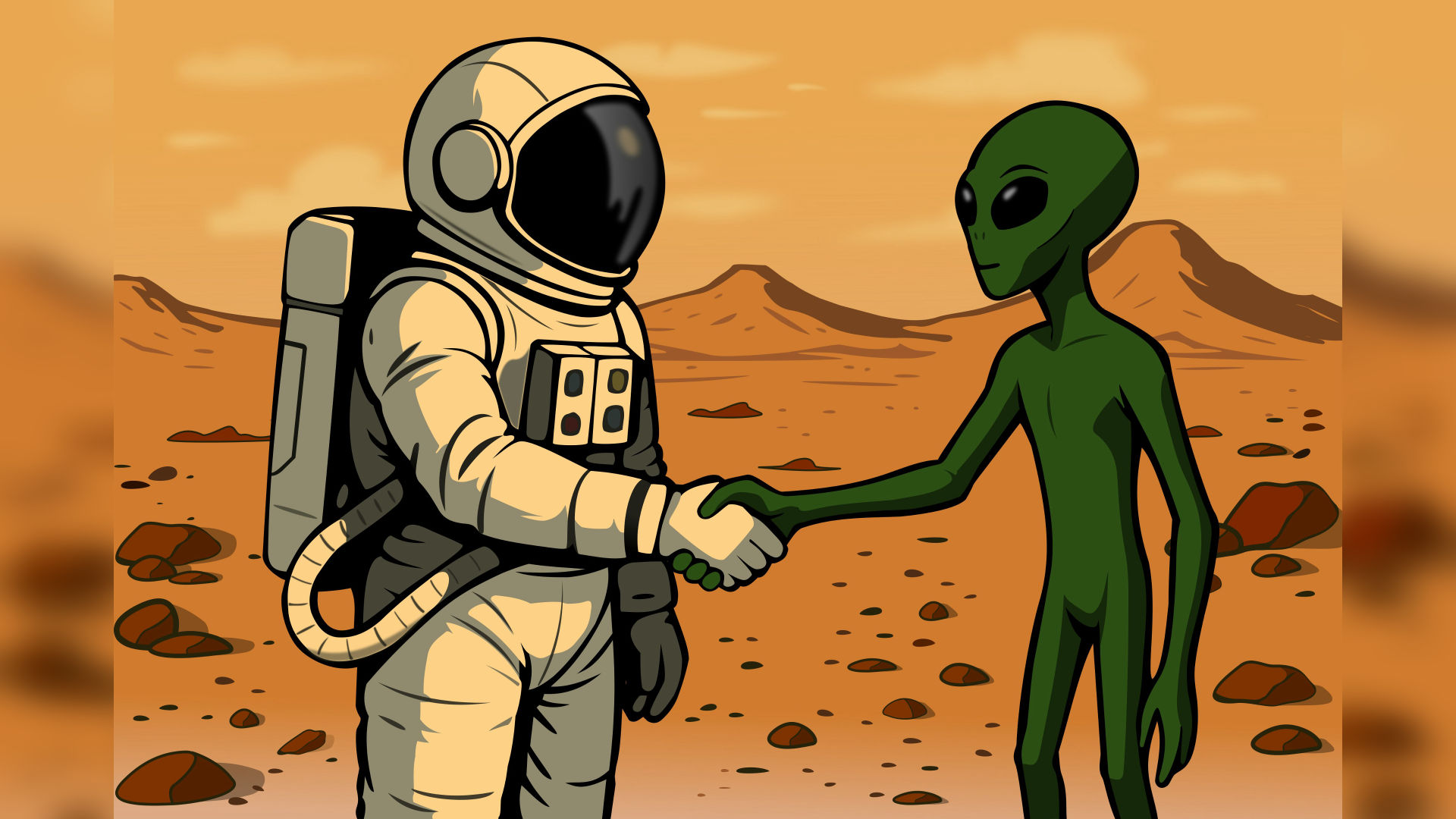
There’s a weird comfort in believing someone is behind the curtain—even if that someone is evil. It’s less scary than believing life is just… random. Unfair. Arbitrary. If COVID-19 was caused by shadowy scientists in a lab, at least it was orchestrated. If the government is hiding alien corpses in Nevada, then we’re not alone in the universe—we’re just being lied to.
This is what psychologist Rob Brotherton calls the “intentionality bias”—our childhood instinct to assume everything happens on purpose. Dad didn’t stub his toe, he meant to. The weather isn’t bad luck—it’s the government controlling it with HAARP.
As adults, we’re supposed to outgrow this. But under pressure, in times of stress, or when the world just feels incomprehensible, we regress. We crave reasons. Villains. Puppeteers.
And so conspiracy theories swoop in—not as truths, but as comforting narratives. Stories where nothing happens by accident. Where everything, even chaos, makes a kind of sense. There’s a deep psychological comfort in that illusion of order. Conspiracies are scary, yes. But not as scary as the idea that no one’s driving the bus.
So, why do we love conspiracy theories?
Maybe because they simply give us power when we feel powerless, or patterns when we feel lost, or intention when the world seems too random. In that way, they’re not so much irrational as they are emotional logic. Not a breakdown of thought, but a reflection of our most human needs—security, meaning, connection.
That doesn’t mean all conspiracies are harmless. (See: QAnon, vaccine misinformation, climate change denial.) But that's another argument all together.