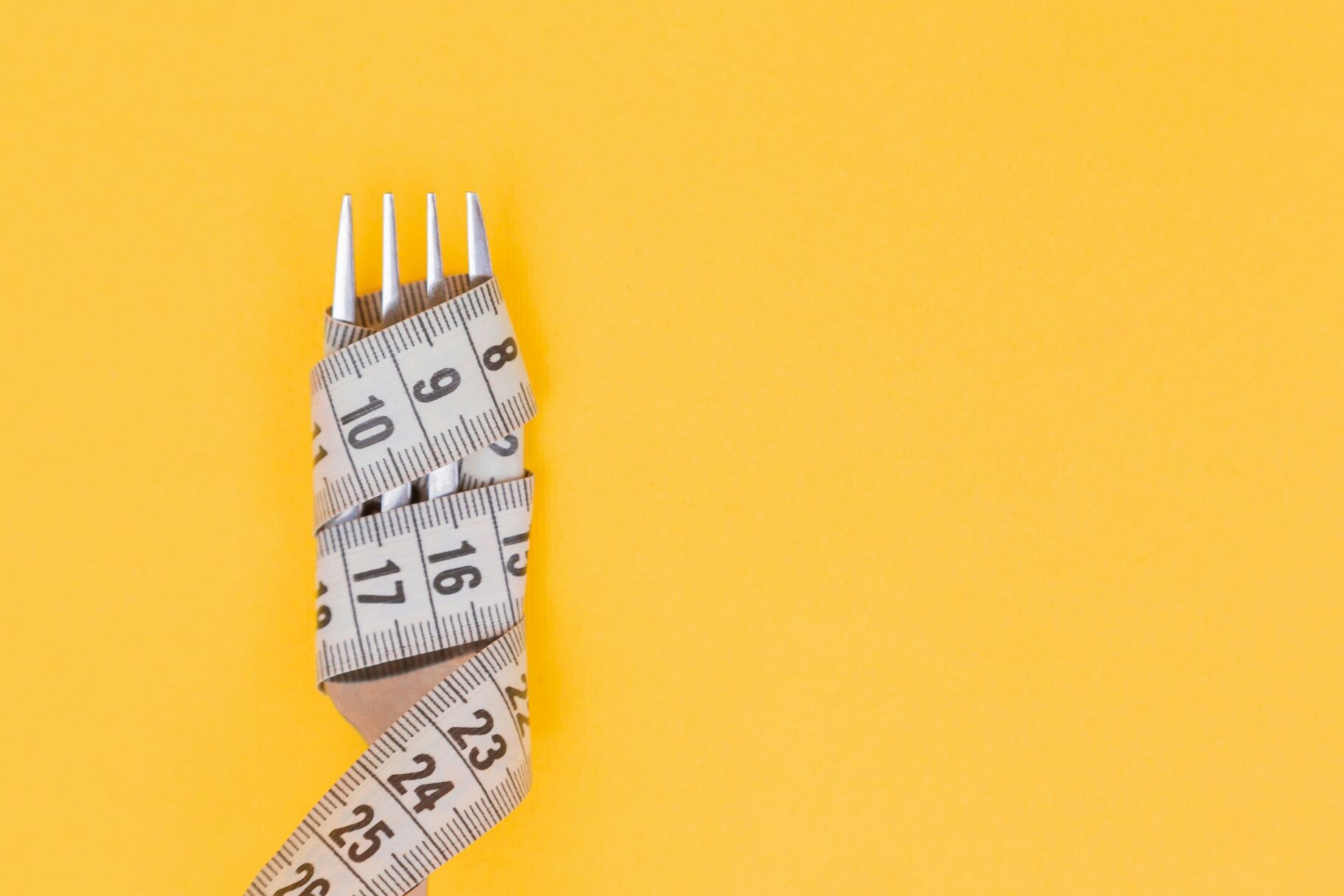
What's Dubrow Diet And Should You Be On It?
Ozempic may promise speed, but the Dubrow Diet delivers sustainability
Around this time last year, the world was just beginning to acquaint itself with a word that would soon redefine the modern weight loss narrative: Ozempic. What began as a quiet murmur in wellness circles quickly crescendoed into a full-blown cultural phenomenon.
In the months that have followed, the Ozempic frenzy is on the cusp of reshaping not only how we approach shedding pounds, but more tellingly, how we relate to food, understand hunger, and reimagine the body’s role in our broader sense of self.
Yet, in the shadows of this meteoric rise, a quieter, more enduring philosophy has held its ground: the Dubrow Diet originally introduced in The Dubrow Diet book. While Ozempic promises acceleration, the Dubrow approach shares something subtler—sustainability, structure, and self-awareness.
Because while injections may curb appetite, they cannot instill discipline, intuition, or a reverence for the body that comes from nourishing it intentionally. The Dubrow Diet, with its fusion of intermittent fasting, anti-inflammatory nutrition, and lifestyle integrity, offer metabolic renewal, mental clarity, and a return to balance in an increasingly unbalanced world.
But What Exactly is the Dubrow Diet ?
The Dubrow Diet emerges as a refreshing anomaly as an approach to health that values timing, composition, and consistency over shortcuts and silver bullets. Developed by Dr. Terry Dubrow (a renowned plastic surgeon) and his wife, Heather Dubrow (television personality and wellness advocate), this lifestyle framework is all about the cadence of when and how we nourish the body.
At its core, the Dubrow Diet is anchored in the science of intermittent fasting, paired with a low-carb, anti-inflammatory meal structure. But to define it purely by its biological mechanisms would be to miss its philosophical underpinnings. This is not merely a food protocol. Rather, it is a lifestyle philosophy rooted in intentionality, longevity, and self-respect.
Where Ozempic suppresses appetite pharmacologically, the Dubrow method teaches the body to reclaim metabolic intelligence. Through carefully calibrated fasting windows, starting with 12:8 and advancing toward more prolonged intervals, the body is trained to switch from burning glucose to burning fat, naturally and sustainably. This process, known as metabolic flexibility, not only aids in weight loss, but also reduces inflammation, balances insulin, and supports hormonal harmony.
What truly distinguishes the Dubrow Diet lifestyle is its reverence for beauty- not in the superficial sense- but in the holistic one. Beauty, in this context, is vitality. It is skin that glows not because of injections, but because of cellular renewal. It is energy that sustains not because of stimulants, but because of steady blood sugar and circadian alignment. It is confidence born not of a number on a scale, but of the knowledge that you are living in congruence with your body’s highest wisdom.
How To Do Dubrow Diet Right
At the heart of the Dubrow Diet is high-protein based intermittent fasting, a method that aligns your eating with your body’s natural metabolic rhythms. Here's how to do it well and do it the right way for the best results:
Phase One
This is the most structured phase. You'll fast for 16 hours and eat during an 8-hour window, typically over 5–10 days. The goal is to kickstart fat-burning and detoxification.
Phase Two
This is the longest phase and becomes your lifestyle blueprint. You alternate between 12:12, 14:10, or 16:8 fasting schedules, depending on your goals, paired with clean, low-carb meals.
Phase Three
A maintenance phase designed for real life. It allows for greater flexibility while still maintaining the structure of time-restricted eating. The Dubrow Diet isn’t about starving yourself but fueling your body with nutrient-dense foods that support hormonal balance and long-term vitality.
What to Eat and What to Avoid
Lean proteins (chicken, eggs, fish, tofu)
Healthy fats (avocados, olive oil, nuts)
Non-starchy vegetables (spinach, cauliflower, zucchini)
Low-glycemic fruits (berries, green apples)
Hydration is key, water, green tea, and black coffee during fasting windows
What to avoid
Processed carbs and sugars
Refined flours and fried foods
Alcohol (especially in Phase One)