The Muscle Hustle: Can You Eat a Gram of Protein for Every Kilogram of Your Body Weight?
Protein is essential, but more isn’t always better
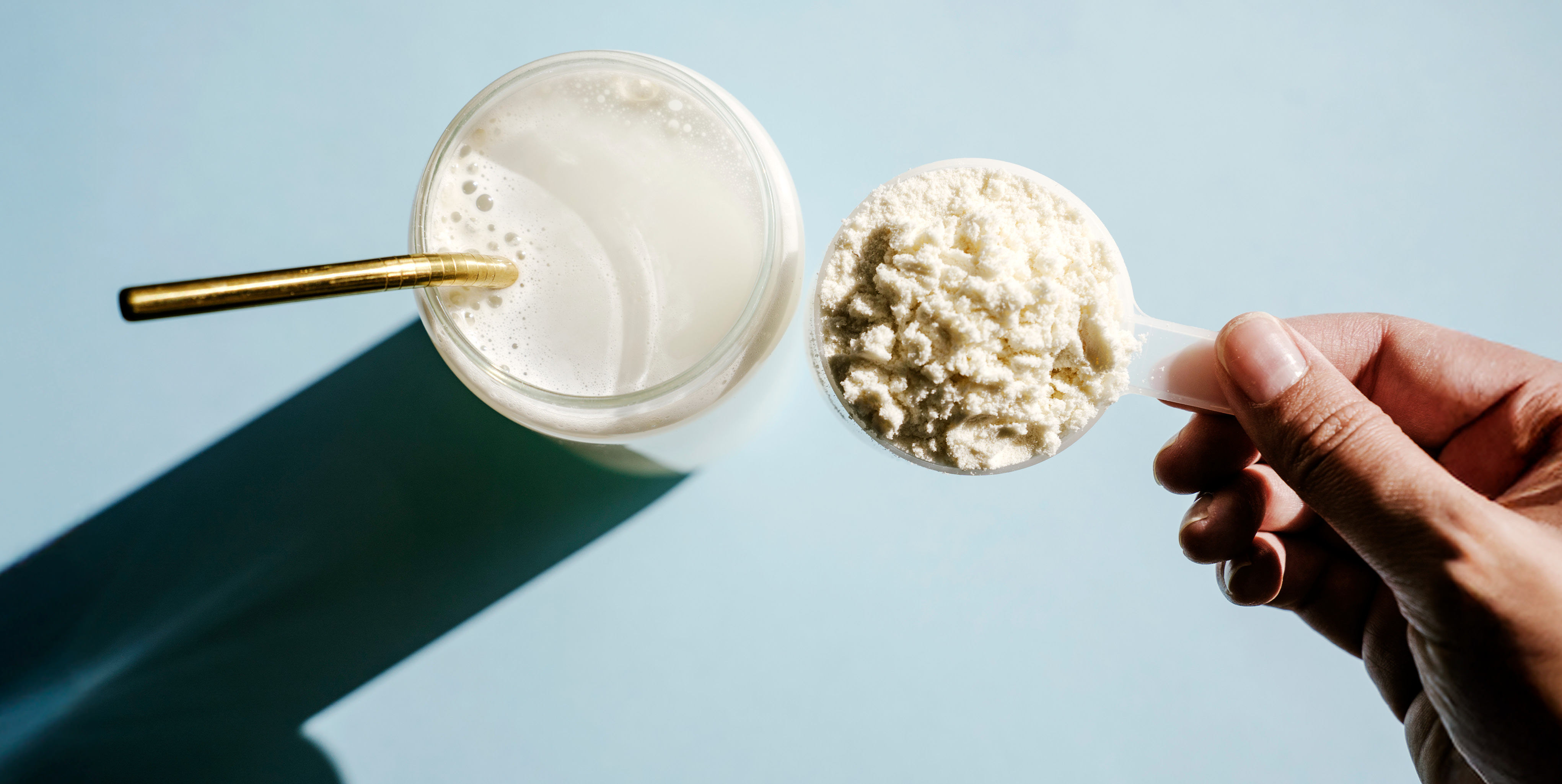
Protein has become a buzzword in the world of health and fitness. Everywhere you look—social media posts, health magazines, influencer advice—the message is the same: you need more protein. Many claim that consuming 1 gram of protein per kilogram of body weight, or even double that if you’re an athlete, is the golden rule for building muscle, losing fat, and staying healthy.
But is this necessary for everyone? More importantly, is it even sustainable or healthy? The truth is that protein needs vary from person to person, and blindly following one-size-fits-all advice could do more harm than good.
The Protein Myth: Is More Always Better?
The most common misconception is that eating more protein directly translates to bigger muscles or faster weight loss. That’s not how the body works. Protein from food is broken down into amino acids, which the body uses to fuel muscles, repair cells, and support immunity. Simply consuming large quantities of protein doesn’t guarantee that your body will absorb or utilize it effectively.
Let’s talk numbers. Did you know the recommended protein intake for a sedentary adult as per the National Institute of Health (NIH) is just 0.8 grams per kilogram of body weight? That’s around 56 grams for men and 46 grams for women. If you’re active, the numbers do go up—endurance athletes might need 1.2–1.4 grams, and strength-training individuals could go up to 1.8 grams.
But let’s pause and ask — do you really need to hit those numbers daily?
Here’s the thing: while protein is important, overdoing it comes with its challenges.
Digestive Troubles: Ever felt bloated or uncomfortable after a high-protein meal? That’s your body struggling, especially if fibre is missing from your diet. Effective protein digestion requires adequate stomach acid levels. Insufficient stomach acid can lead to bloating, indigestion, and constipation, making it difficult to break down and absorb protein efficiently.
Kidney Strain: If you already have kidney issues, excessive protein can make things worse.
Nutrient Neglect: Focusing only on protein often means missing out on the balance of other nutrients your body desperately needs. For those relying on plant-based sources like beans and lentils, pairing them with cereals (e.g., rice or quinoa) creates a complete amino acid profile, enhancing protein quality and absorption.
The takeaway? Protein is essential, but more isn’t always better. A balanced, mindful approach works better than chasing unrealistic targets.
Hormonal Health: The True Muscle Builder
When it comes to building muscle or burning fat, protein plays a role, but hormones are the real stars of the show. Testosterone and human growth hormone (HGH) are critical for muscle development, lean mass, and overall vitality.
Stress, poor sleep, and sedentary lifestyles can deplete these essential hormones. However, activities like skipping, jumping, and squatting stimulate HGH production, while balanced nutrition rich in healthy fats—like those from nuts, seeds, and cold-pressed oils—supports testosterone levels. Without these hormones in balance, even the best protein plan will fail to deliver results.
The Problem with Excess Protein
More protein isn’t always better. The human body can only absorb only a few grams of protein per meal. Consuming more than this in one sitting doesn’t lead to additional benefits; instead, the excess is either stored as fat or converted into glucose. This explains why some people who consume high-protein meals still struggle with weight gain, particularly around the abdomen.
Additionally, eating protein every two hours—a common practice among meal planners—places unnecessary strain on the digestive system. Protein takes approximately 3-4 hours to digest. Constant snacking not only slows metabolism but also prevents the body from fully digesting and absorbing nutrients.
A smarter approach is to eat balanced meals and allow the body time to rest and recover between meals.
Keeping It Simple: Nature’s Protein Sources
Eating healthy doesn’t have to be complicated. Nature provides an abundance of protein-rich foods that are easy to prepare and incorporate into your nutrition. A handful of almonds, a bowl of green peas, or a serving of beans can offer high-quality protein along with essential vitamins and minerals.
Protein also isn’t exclusive to meat, eggs, or dairy. Plant-based options can offer ample protein, as evidenced by vegan athletes and bodybuilders who achieve peak physical performance without animal products. Foods like beans, quinoa, kale, and nuts are nutrient-dense and easy to incorporate into daily meals. Even potatoes, often dismissed as mere carbohydrates, contain small but useful amounts of protein. Balanced plant-based meals can meet your daily protein needs.
Pre and post-workout snacks in the right quantity can be beneficial. Protein powders can be a valuable supplement, especially for those who struggle to meet protein requirements due to low appetite, dietary restrictions, or increased physical activity. Choose high-quality, clean options like vegan protein powders made from peas, brown rice, or a blend of plant-based sources for those with lactose intolerance.
While protein powders can bridge nutritional gaps, they should complement a balanced diet, not replace it. Ensure portions are appropriate and avoid overconsumption, which can strain digestion and contribute to health issues.
Fruits paired with nuts or a dollop of peanut butter can provide the perfect combination of protein and energy. That said, using a vegan protein shake occasionally—especially when whole foods are unavailable—can be a convenient option.
The Balanced Approach to Protein
Protein is undeniably essential—it’s the building block of muscles, cells, and immunity. However, its effectiveness depends on how well your body can process and utilize it. Vitamin deficiencies, for instance, can impair your ability to convert protein into amino acids, underscoring the importance of a balanced plate over a protein-centric one. Incorporate diverse protein-rich foods into your diet and supplement only when necessary, ensuring your intake aligns with your activity level and nutritional needs.
Equally important is adopting a holistic approach to health. This means prioritizing all six lifestyle pillars: deep cellular nutrition, adequate movement, quality sleep, emotional wellness, reconnecting with spirit, and breath to keep your health in check.
It’s about listening to your body, keeping things simple, and trusting in nature’s wisdom. With the right approach, you can build muscle, burn fat, and feel your best—without the hustle.