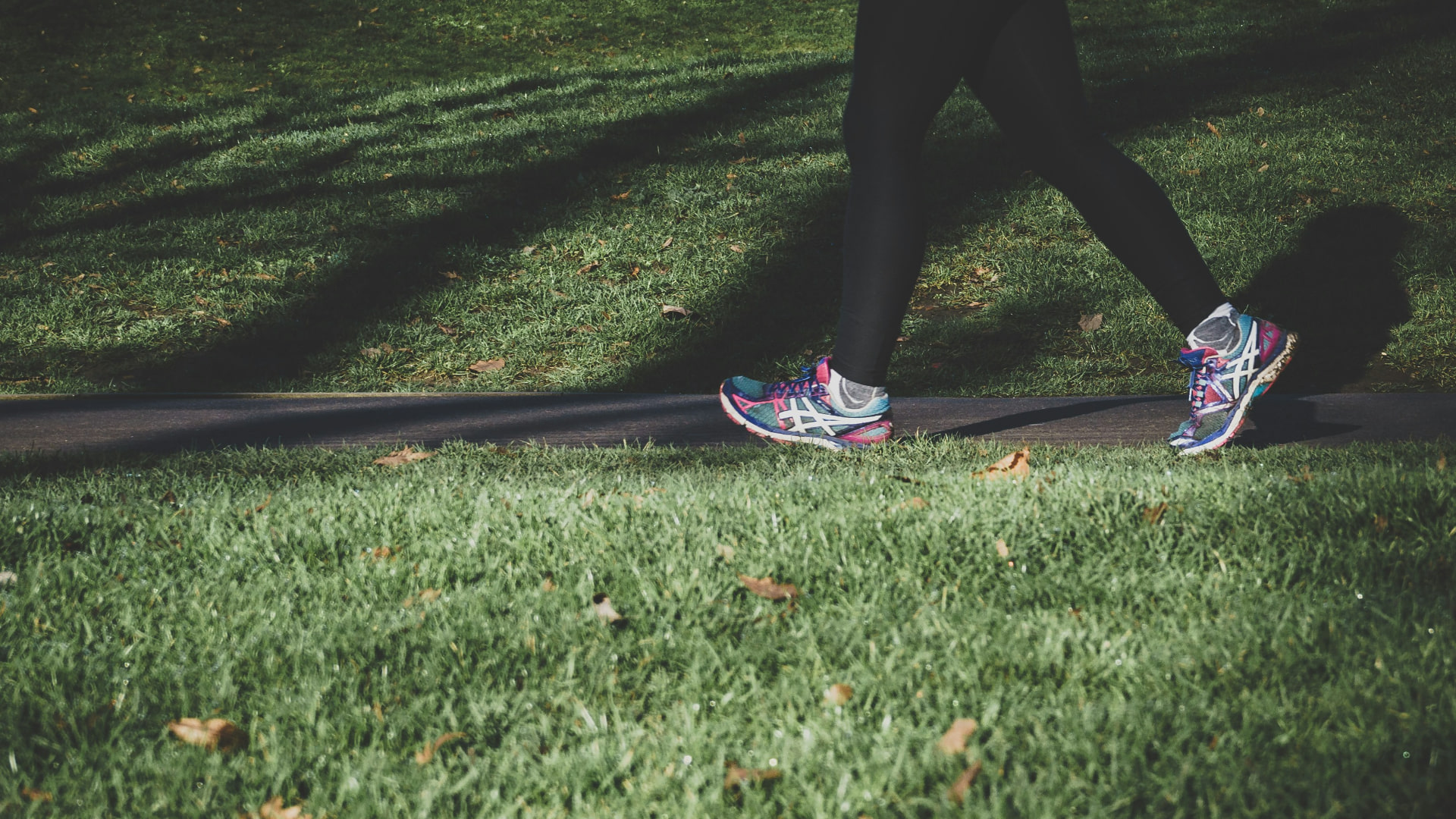
Moonwalk Your Way to Fitness With This New Trick, Literally
In a culture obsessed with constant forward motion, there’s something quietly radical about stepping back
If someone passes you on the running trail walking backward, don't worry. They haven’t lost their mind. They might just be ahead of the curve.
What looks like a prank or TikTok trend gone rogue is, in fact, an ancient movement practice reborn. Walking backward, also known as retro walking, has been steadily making its way from physical therapy clinics and martial arts dojos into the fitness mainstream. It's not new. But it might be exactly what your body (and brain) needs.
And no, you're not about channeling your inner Michael Jackson. Though we won’t stop you from moonwalking if the moment takes you.
The Science of Stepping Back
Let’s get the obvious bit out of the way first. Walking backwards is weird. Or at least, it feels that way at first. It flips the body’s natural mechanics on its head. But that’s precisely what makes it so effective.
Studies out of Japan, South Korea, and more recently, European sports institutes, have shown that backward walking activates different muscle groups than walking forward, especially the quadriceps, calves, and the tibialis anterior (that underappreciated muscle on the front of your shin). It reduces pressure on your knees, strengthens the posterior chain, and even helps improve balance, coordination, and spatial awareness. In short: it’s like core training, cardio, and physical therapy had a strange, efficient baby.
Moreover, retro walking isn’t some 2020s TikTok biohack. This practice dates back centuries. Yes. Ancient Chinese martial artists used it to develop agility and strengthen the legs, and samurai reportedly walked backwards to sharpen focus and footwork in combat training.
Fast forward to the 20th century, and retro walking took on a new life in physical therapy. It’s long been used to rehabilitate athletes recovering from knee injuries, particularly ACL tears. And now, as it gains visibility on social media and in urban parks, everyone from runners to retired executives are giving it a go. You bet.
But does it really work?
Backward walking doesn’t only work the body, in fact, it lights up the brain. A 2023 study from the University of Roehampton found that walking backward boosted short-term memory in test subjects significantly more than forward walking or standing still. The theory? Disrupting habitual movement patterns forces the brain to engage more fully with the task at hand. You can’t walk backward on autopilot. Not unless you’re a Roomba.
Certainly, retro walking is meditative, in a way. You’re more aware of your surroundings. You feel your muscles firing differently. And you have to pay attention, which—let’s be honest—is a rarity in our multi-tab, always-scrolling lives.
How to Do It Without Looking Like an Idiot
Here’s where Esquire steps in to save your dignity. If you’re walking backwards in a crowded park, expect double-takes. But the key is confidence. Own it. You’re not eccentric, even if others like to believe so. You’re informed.
The obvious way to do it is start slow. A 5-minute backward walk after your regular workout is enough to feel the difference. Gradually increase distance and speed as your coordination improves.
Best environments? Quiet sidewalks, empty parking lots, long hallways, or even treadmills (just be extremely careful). And yes, there’s even a treadmill called the R.E.T.R.O. designed specifically for this. But your own driveway works just fine.
Pro tip: walk near a wall for support when you’re starting out. Also, maybe leave the headphones off until you’ve got the basics down. You do realise they don't need to accompany you wherever you go, literally, right?
If you believe walking backwards is just a quirky fitness hack that influencer culture is making you try out. Give it a try once and you'll know, it is legit. It improves strength, posture, mobility, and brain function. It’s old-school, low-impact, and oddly satisfying.
So, the next time you’re looking to shake up your routine, don’t buy a new gadget or start a 90-day challenge. Just turn around. Walk the other way. You might be surprised where it takes you.