Is Post Meal Walk Overrated ?
Bryan Johnson says yes
Here's a myth worth questioning: You don't actually need to go for a 30-minute walk after every meal to keep your blood sugar in check. We're not saying it, it is Bryan Johnson.
But is there any truth to his latest claim?
We've all heard from our elders that walking 100 steps post meal is the best way to digest your meal. If you don't want to walk, then the alternative method passed down generations without question is seiza position. You kneel down on the floor, legs folded neatly under you, the tops of your feet flat against the ground. Your weight rests on your heels. Back straight, hands placed lightly on your thighs.
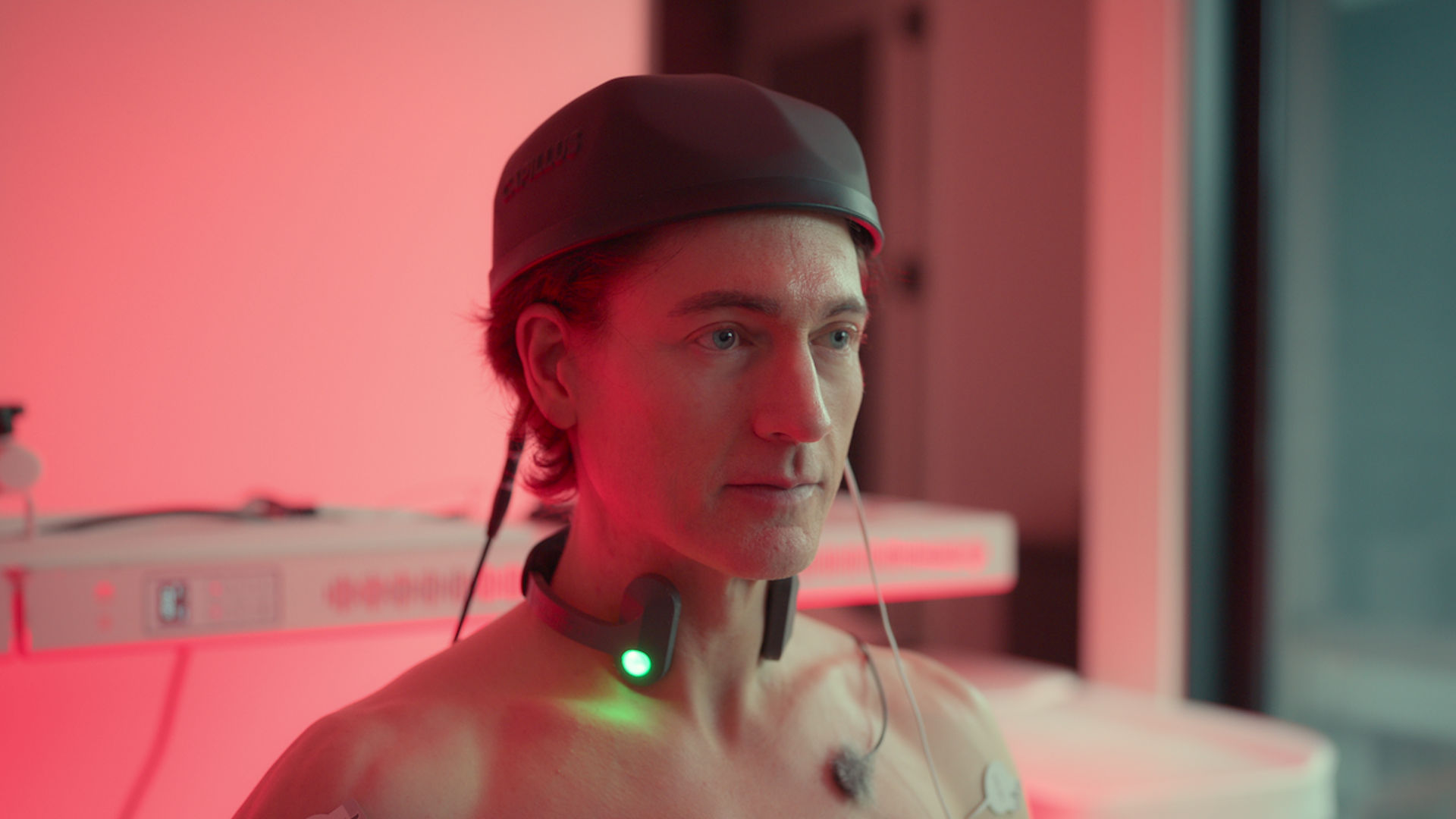
But the longevity guru Bryan Johnson best known for his age-reversal obsession and data-driven lifestyle experiments, has a different view on healthy habits. According to him, a post meal walk might just be overrated. Instead, he suggests performing 10 squats every 45 minutes after a meal. He explains that doing 10 squats can outperform a dedicated half-hour walk when it comes to blood sugar control.
The argument hinges on one simple idea: your largest muscles—think glutes and quadriceps—are metabolic powerhouses. Activate them intensely, even briefly, and they demand immediate fuel. That fuel? Glucose from your bloodstream.
In other words, short bursts of resistance work turn your legs into what Johnson calls a “glucose sponge.” And unlike a steady walk, which spreads effort thinly over time, squats deliver a quick, concentrated metabolic hit.
But is it science backed?
A 2024 study on breaking up sedentary time backs this up. Researchers found that interrupting long periods of sitting with brief bouts of movement—walking or squatting every 45 minutes—improved glycaemic control more effectively than a single, continuous 30-minute walk.
More interestingly, intensity mattered. Movements that activated muscles more aggressively (like squats) showed stronger benefits than low-effort activity.
So, while walking still offers a host of benefits including mental clarity, cardiovascular health, and the simple pleasure of stepping away from a screen. If your goal is specifically blood sugar control, especially after meals, sprinkling in high-intensity “micro-movements” might be the smarter play.
"10 squats beats a 30-minute walk. For blood sugar control after a meal, doing 10 squats every 45 minutes outperforms a dedicated 30 min walk by 14 per cent," Johnson explains citing a 2024 study that highlight how enhanced muscle activity during interrupted sitting improves glycemic control in overweight and obese men.
"The mechanism: your quadriceps and glutes are the largest glucose sponge in your body. Activating them repeatedly clears more glucose than one sustained effort. The 30 min walk isn't wrong, it's just not as effective.
To be precise: the 14 per cent advantage belongs to interrupting sitting every 45 minutes, not squats specifically. Short bouts of walking every 45 min performed the same as squats on AUC. The win is the pattern." he adds.
So should one give up walking?
Walking after eating is one of those habits that sounds almost too simple to matter. But it does. Even a short, easy stroll after a meal can help your body handle the spike in blood sugar that follows eating. Instead of that glucose lingering in your bloodstream, movement encourages your muscles to use it for energy. This leads to more stable blood sugar levels, fewer energy crashes, and less of that sluggish, heavy feeling.
There are other upsides, too. A post-meal walk can support digestion, reduce bloating, and even help with long-term metabolic health if done consistently. It’s low effort, low impact, and doesn’t require a gym, a plan, or much motivation beyond getting up and stepping outside.
The best part is you don’t need to overthink it. Ten to fifteen minutes at a relaxed pace is enough to make a difference. So, if you’re trying to build the habit, keep it easy. Start with one meal a day. Walk around your block, take the stairs, pace while on a call—anything that gets you moving without turning it into a chore.
As far as squatting over walking is concerned, neither are wrong ways of keeping the blood sugar low. The only difference may be the effectiveness of it all.