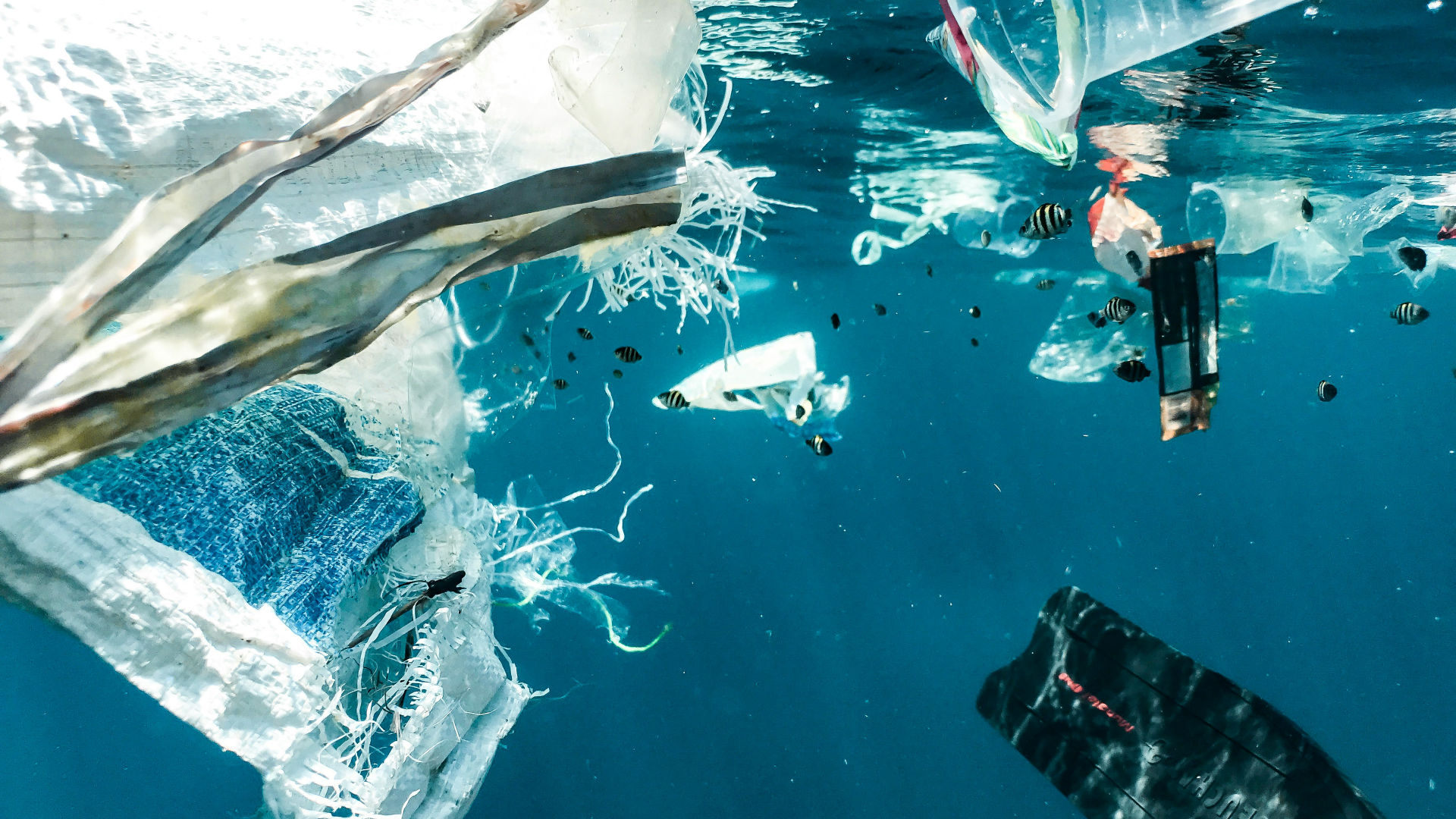
How To Eat Less Microplastics
Because apparently, dinner now comes with a side of plastic
Here’s a fun fact to ruin your dinner: you’re eating plastic.
Not metaphorically. Literally.
Every week, the average human chews through about a credit card’s worth of microplastics. Visa, MasterCard, Amex — take your pick. They’re in your steak, your sea salt, your bottled water. They’re probably swirling around your bloodstream right now.
Microplastics, the glitter of the apocalypse, have colonised our kitchens. They flake off your Teflon pan, seep out of your water bottle, and drift into your food like the world’s least sexy seasoning.
But, let’s be honest. We’re not going to “beat” microplastics. They’re in the air we breathe, the oceans we swim in, the broccoli on your plate. They’ve gone so far as to hitch a ride into human bloodstreams and lungs. So no, you’re not going to detox your way out of this one. But you can cut back. Like smoking fewer cigarettes, or only doomscrolling Twitter three nights a week instead of seven.
So, here’s a hopeful, helpful guide on how to eat less microplastic without becoming a barefoot ascetic who churns his own butter.
Stop Drinking Your Bottle Collection
Bottled water is basically a microplastic smoothie. Every time you twist that plastic cap on and off, it sheds hundreds of plastic bits straight into the water. Studies show bottled water carries way more micro- and nanoplastics than tap. And yes, the irony that premium mineral water might contain more plastic than the water filter water you side-eye at home is not lost on me. Get yourself a reusable steel or glass bottle. Fill it, filter it, and leave the Bisleri for people who also believe in detox teas.
Rethink Your Cookware
I mean, we’re all watched Dark Waters by now right? Mark Ruffalo’s famous TEFLON speech? So I’m hoping we’re way beyond non-stick pans here. But, same goes for plastic spatulas, chopping boards, or anything that gets sliced, heated, or scraped regularly. Go for stainless steel, cast iron, or ceramic. And wooden cutting boards.
Don’t Store Your Food in Future Food
Plastic containers are the lazy man’s fridge solution—but the more they sit, the more they leach, especially if you heat them in the microwave. (“Microwave-safe” doesn’t mean “plastic won’t disintegrate into your curry,” it just means the container won’t visibly melt.) Switch to glass or steel for leftovers. Reserve plastic takeaway boxes for screws, chargers, or whatever.
Wash Your Rice, Rinse Your Meat
Sounds basic, but rinsing helps. Studies show washing rice before cooking can reduce microplastic content by up to 40%. Same for fish and meat. No, it won’t turn your plate into a microplastic-free utopia, but it’s like shaking the crumbs out of your toaster—it won’t change your life, but it helps.
Be Suspicious of Tea Bags
That innocent-looking paper tea bag? Often sealed with a thin layer of plastic that, when brewed, releases billions (yes, billions) of micro- and nanoplastics into your morning cuppa. Switch to loose leaf tea. Also, it tastes better.
Ultra-Processed = Ultra-Plastic
Factory food comes with factory plastic. The rule of thumb: the more processed the food, the more touchpoints with machinery, packaging, and plastic-lined everything. Stick to fresh, whole foods when possible. Farmers’ markets if you can swing it, or at least unprocessed basics.
Seafood: Know What You’re Eating
Filter feeders like mussels, oysters, and clams are microplastic magnets. They literally suck in whatever’s floating in the water—which is increasingly, well, plastic. Fish higher up the food chain also accumulate it through what they eat. If you’re cutting back, aim for smaller, wild-caught fish lower on the chain.
Mind the Laundry
Every wash cycle shreds your polyester hoodie into microfibers that head straight for rivers and oceans. Cut down on unnecessary washes, air-dry when you can, and look into a microfiber filter for your washing machine. Also: maybe buy fewer fast-fashion polyester blends.
Keep Your Air Clean Too
Yes, microplastics are airborne. That layer of dust in your living room is like plastic cocktail. Consider a HEPA filter to cut down on what you inhale daily. Vacuum often, dust more, you know, the 101 adulting basics.
Um, Will My Nonsense Help?
No. You’re still eating plastic. I’m still eating plastic. But every little tweak—switching to a glass bottle, rinsing your rice, avoiding reheating curry in a 10-year-old plastic tub—cuts exposure. It’s not about purifying your body (good luck with that), it’s about damage control. And maybe that’s good enough to start with.