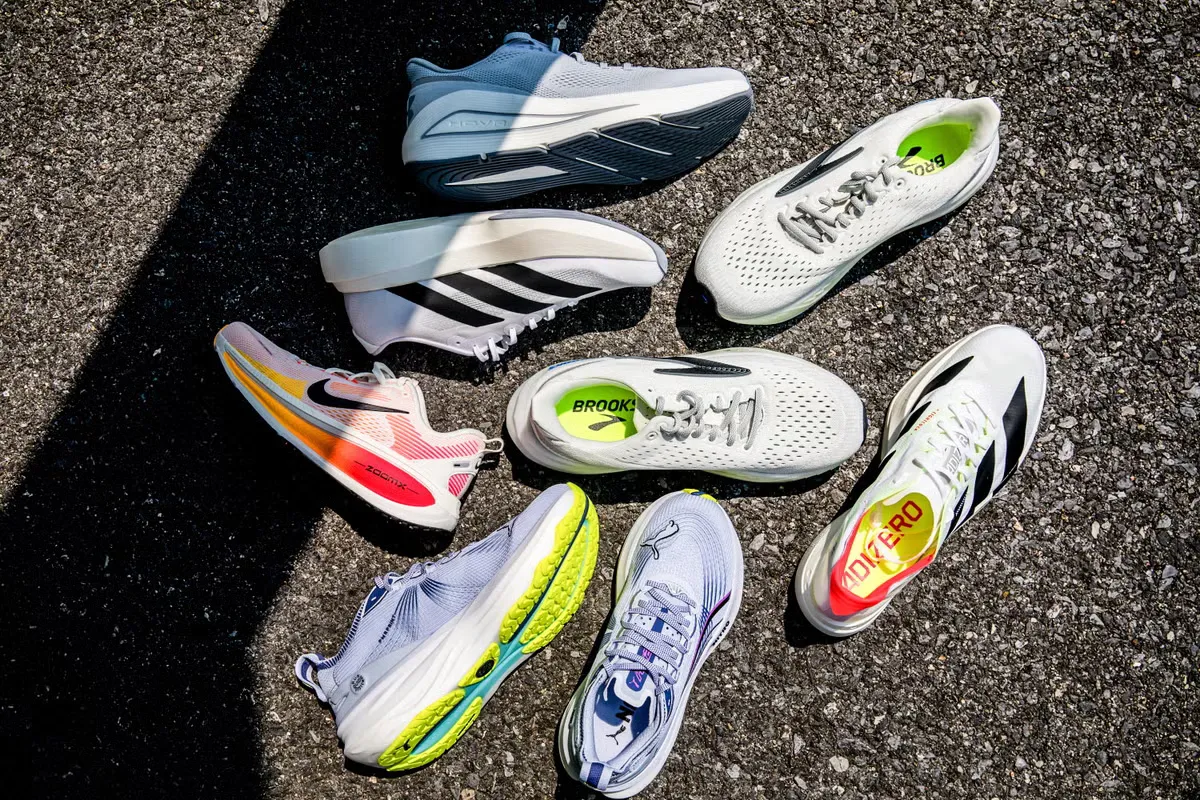
There is a very specific kind of panic attached to flat feet, and it rarely comes from a doctor’s office. It comes from sneaker ads promising “maximum support,” gym bro folklore, and fitness influencers diagnosing strangers through a screen. The assumption is that if your feet look flat, your movement must be compromised. That assumption has powered everything from unnecessary shoe upgrades to self-diagnosed “fixes” that lead to nowhere at the end of the day.
Except that flat or arched feet, in isolation, tell you very little about how well someone moves. They describe a shape, not a function. And function is usually the larger health determiner.
The Problem With Judging Feet at a Glance
Healthy, normal feet roll just the slightest bit inward as it makes contact with the ground. This is called pronation. It is a natural part of walking, running, and lifting, allowing the body to absorb shock and distribute force efficiently. Without it, every step would send far more stress up through the ankles, knees, and hips, and that 10k steps or 12km run would be a health hazard, instead of a fitness goal.
The ideal angle, or neutral pronation, happens when the foot rolls inward just enough to manage impact without losing structure. Overpronation occurs when that inward roll becomes excessive, causing the arch to collapse and the ankle to drift inward under load. Underpronation, often called supination, sits on the opposite end, where the foot does not roll inward enough and remains relatively rigid, forcing the body to deal with impact higher up the chain.
Flat feet are often assumed to be synonymous with overpronation, but you can easily have low arches and still maintain strong, controlled movement through the foot and ankle. In that case, the foot may appear flat when standing, yet function efficiently when in motion. On the other hand, someone with a more defined arch can still lose control under load, allowing the foot to collapse even if it looks “normal” at rest.
So How Are You Supposed to know?
The doctor. That's it. If your feet (and especially knees and lower back) hurt without you walking or standing a lot, or you suspect that the roll of your feet looks a little suspicious, just go get them checked by a doctor. They'll not only be able to diagnose it properly, they'll also be able to guide you on how to fix overpronation and supination.
That being said, if you have been diagnosed with faulty pronation, the following shoes (and exercises recommended by your physiotherapist) can help you reduce the load on your knees a little.
The Best Shoes For Supination
If your underpronation is giving you back pain, you need shoes with good cushioning and flexibility. Your ideal pair absorbs impact well, but doesn't overcorrect your natural gait. We suggest you check out the following.
ASICS Gel Nimbus 28
Rs. 16,999
Link: Asics
New Balance Men Fresh Foam 880
Rs. 14,999
Link: Amazon
Brooks Ghost 17
Rs. 32,999
Link: Hustle Culture
The Best Shoes For Overpronation
Hoka Arahi 8
Rs. 29,099
Link: Culture Circle
Saucony Hurricane 24
Rs. 16,299
Link: Ajio Luxe
Nike Air Max Plus 3
Rs. 17,495
Link: Nike