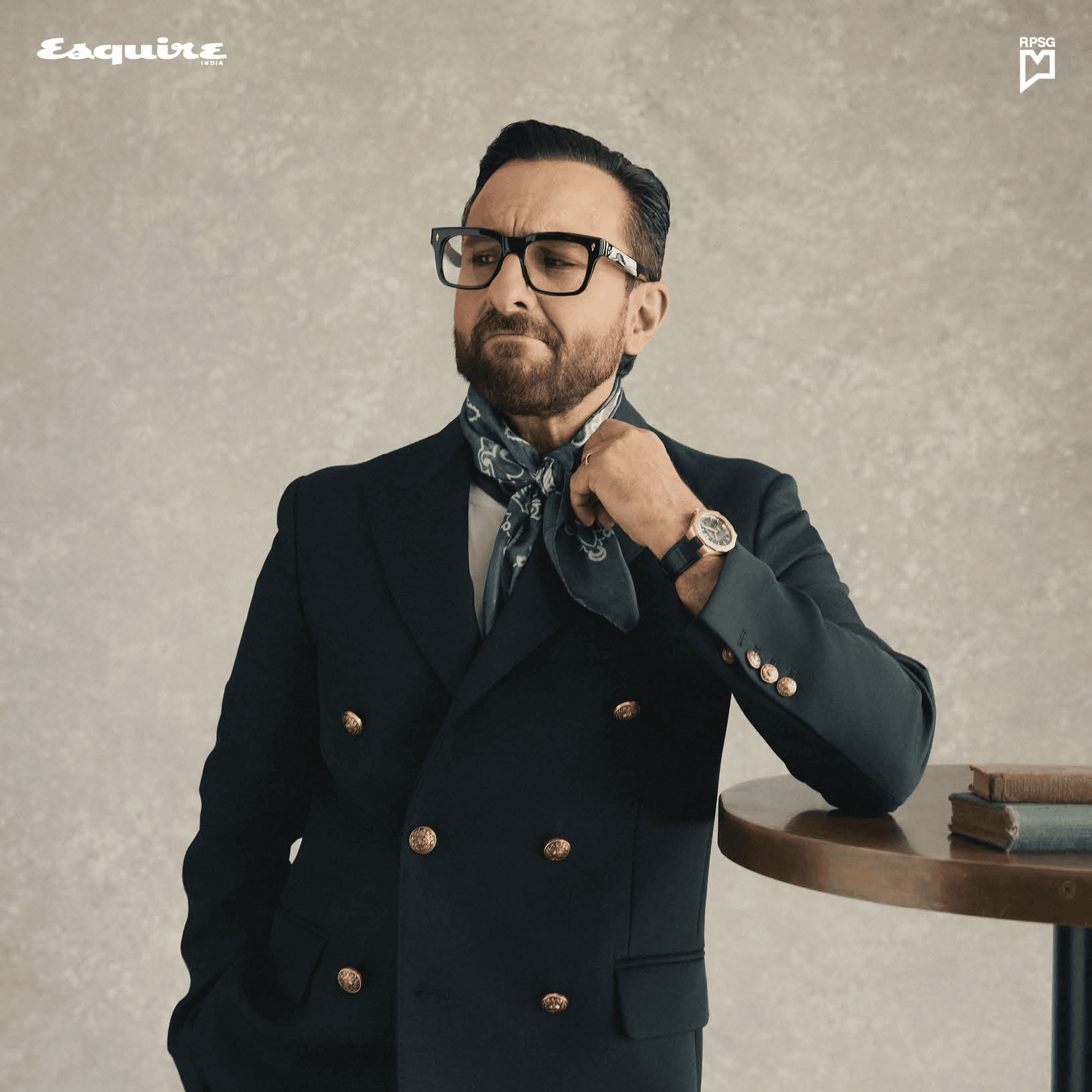
Saif Ali Khan’s Favourite Wines
What the nawab is drinking when he’s not reading mythology
Saif Ali Khan talks about wine the way he talks about most things he genuinely cares about — lightly, almost off-hand, as if the knowledge were incidental. He has that particular brand of curiosity that sits just beneath the aristocratic shrug: the man who’ll fiddle with the knot of a skinny scarf until it falls just right, who browses second-hand book tables between takes, who reads Japanese ghost stories, and then, mid-conversation, drops a detail about Burgundy that only people who actually drink Burgundy tend to know.
What he isn’t: a trophy collector.
What he is: someone who drinks the way serious drinkers do — consistently, privately, with enough context to understand why a wine tastes the way it does.
And this is what he loves.
Burgundy — Saif’s First Language
Saif is someone who’s spent some (or a whole lot of) evenings with the Côte de Nuits.
His two favourites: Echezeaux and Nuits-Saint-Georges.
The Echezeaux is a grand cru from the Côte de Nuits, known for being generous and expressive and often sits in that sweet spot that is fuller than many Burgundies, with a lush, almost velvety character.
Meanwhile, the Nuits-Saint-Georges, a village appellation in the Côte de Nuits, is usually more structured and earthy than its neighbours. Nuits-Saint-Georges wines tend to be firmer, darker, a touch more serious. They age well, they travel well, and they’re often the bottle Burgundy drinkers prefer.
And Saif knows the unwritten rule every Burgundy obsessive learns early: the producer is the plot twist. The label matters, yes — but the producer is the whole story.
So when he name-checks Domaine Leroy, you just know. He brings up Domaine Leroy with the respect of someone who knows just how exacting and almost metaphysical Lalou Bize-Leroy’s winemaking is.
Founded and run by Lalou Bize-Leroy, one of the most influential figures in Burgundy, Domaine Leroy is the benchmark that serious drinkers quietly measure everything else against. The estate is known for extremely low yields, strict biodynamic farming, and an uncompromising focus on quality. The wines are rare, very expensive, and consistently ranked among the best. Mentioning Leroy simply signals that you know the producer hierarchy in Burgundy — and you’re picking from the very top.
But he doesn’t stop at the obvious icons. He also mentions Leflaive, a producer (known for their exceptional white wines) he rates highly.
Bordeaux — Saif’s Second Language
Bordeaux and Burgundy may both sit at the top of the French wine hierarchy, but they speak completely different dialects. Bordeaux is built on blends — Cabernet Sauvignon, Merlot, Cabernet Franc — made by large estates whose identities are tied to the château itself. The wines are structured, powerful, made to age, and the label is essentially a stamp of the house style.
With Bordeaux, Saif’s choices are classics:
Château Ducru-Beaucaillou (Saint-Julien): known for being polished and elegant.
Château Clinet (Pomerol): a plush, Merlot-driven Pomerol that is rich without tipping into heaviness.
Château Hosanna (Pomerol) : concentrated, expressive, almost meditative.
Château Smith Haut Lafitte (Graves): smoky, mineral, unmistakably Graves.
Château La Mission Haut-Brion (Pessac-Léognan): a wine serious collectors whisper about.