Is Investing In A Home Beer Dispenser Worth It?
5 reasons to buy and not to buy a beer dispenser
A few years ago, I would never have imagined being dragged home by a beer fanatic to drink draught in his living room instead of some vaulted German beer hall. But recently, a friend of mine did exactly that.
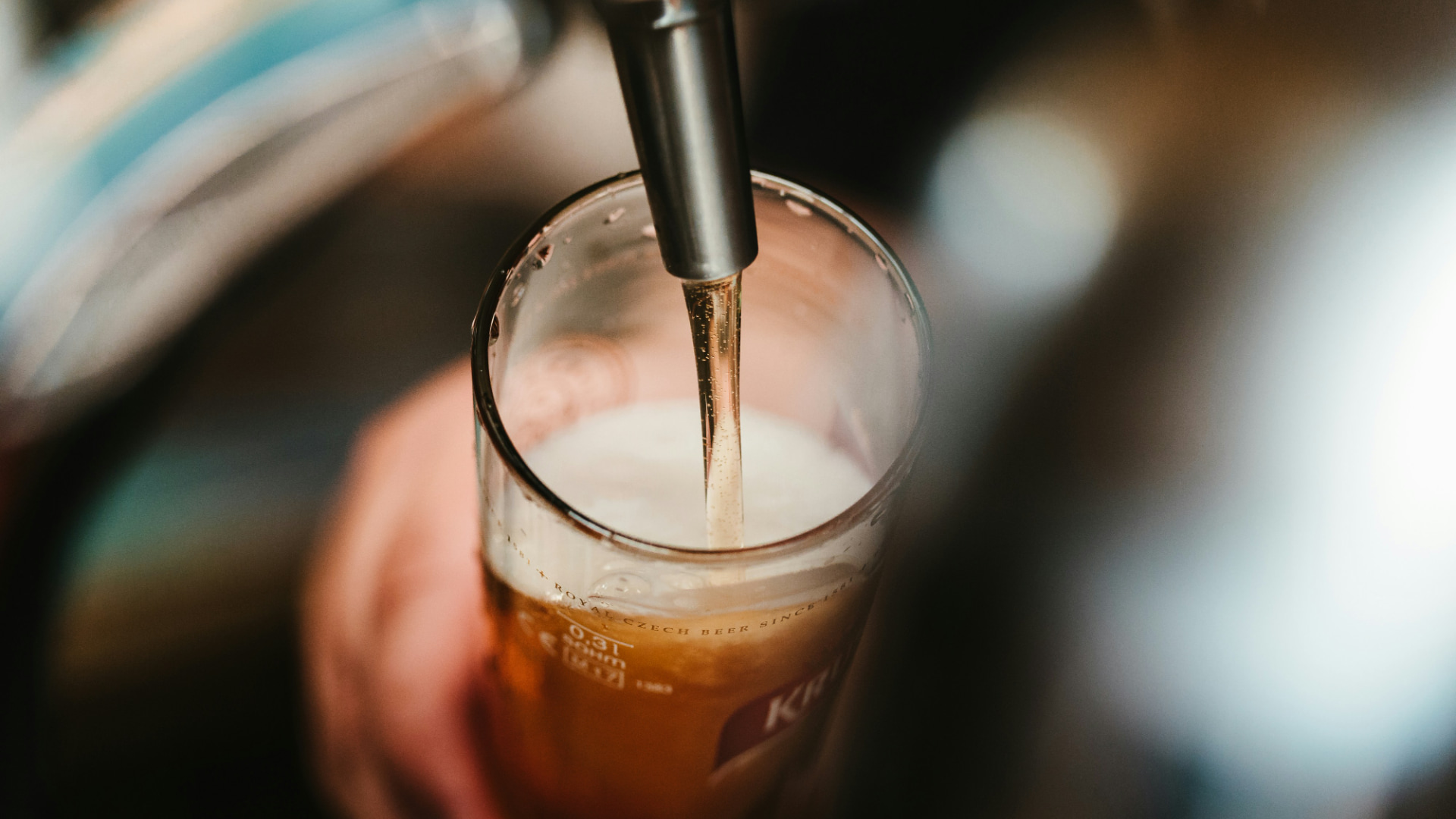
Back in his small apartment in a tall-rise building in Mumbai, he pulled out a ridiculously cute black dispenser into his living room. Something he'd always wanted to do since a teenager. Almost, as if like a kid finally getting her hands on a prized toy, I found myself fascinated when the lever of the home beer dispenser went up and down came pouring the frothy chilled pint into the glass.
Beyond the doubt, the freshly poured beer tasted better than the bottled Kingfisher sweating on the table.
Since then, I’ve been quietly obsessed with the idea of having one at home. So, naturally I did some digging to find out if it's something worth my time, money and investment. I looked at the the price tag, the space it takes up, if a portable one worthwhile, and the logistics of refills. Turns out, in India, where alcohol regulation is a maze, sourcing kegs isn’t as simple as picking up chips at the corner shop.
So, first things first, the legalities
If you are wondering carrying kegs home would actually be an enroute to jail, worry not.
Beer dispensers and refillable kegs are totally legal to have at home in India for personal use but with caveats. Alcohol regulation is handled by each State Excise Department, which means the rules shift depending on where you live.
There are some Indian states that are a no-go like the obvious Gujarat, Bihar, Nagaland and Lakshadweep where all alcohol-related activities are prohibited. Naturally, a beer dispenser here is strictly illegal. Apart from that unless you have a license to sell alcohol, the use of a home dispenser should be limited to personal use only. That means pouring yourself and your friends a drink, but selling or charging for beer.
Each state has storage caps. Delhi, for instance, permits 18 litres of liquor (including beer) at home. Go over, and you’re breaking the law. No brewing or distilling either. You can dispense; you cannot produce. Homebrewing without permits is illegal.
So yes — you can own one. Just make sure your pint isn’t spilling over the legal line.
Reasons to Invest in a Home Beer Dispenser
The Bar-Quality Pour at Home
There’s something undeniably satisfying about pulling down a tap and watching a perfectly foamed head rise on your pint. A dispenser mimics the bar experience only without the jostling crowds, sticky floors, or overpriced pints. If you are someone who has friends and colleagues often coming over for hangouts regularly, it is totally worth it.
Fresher Beer, Longer
Unlike bottles that lose fizz once opened, a dispenser keeps beer carbonated and fresh for up to a month (depending on the model). If you’re the kind who hates flat, lifeless beer, this is a game-changer. But like a partner, it expects a little effort in maintaining it.
Hosting Power Move
Few things say “I’ve made it” like pouring fresh draught at your house party. It turns your living room into an instant microbrewery and your guests into very loyal friends.
Cost Efficiency (Eventually)
Yes, the upfront cost hurts. But if you drink regularly or host often, buying kegs works out cheaper per pint than ordering at bars or even stocking craft beer bottles. Over a year, the numbers start to make sense.
A Lifestyle Upgrade
For enthusiasts, it’s about more than beer. It’s a centrepiece for your home bar, and a symbol of finally giving everyday pleasures the upgrade they deserve like swapping instant coffee for a French press.
Five Reasons Not to Invest in a Home Beer Dispenser
Steep Entry Cost
A decent dispenser in India can cost anywhere between ₹25,000–₹60,000 (import duties included). That’s not even counting the recurring spend on kegs. If you’re budget-conscious, this is indulgence, not necessity or you can invest in portable ones that cost less.
The “One Beer a Week” Problem
If you’re a casual drinker, the dispenser will end up as kitchen clutter. Beer kegs work best when consumed regularly — otherwise, you’re wasting both space and money.
Keg Availability is Tricky
India’s alcohol market isn’t the smoothest to navigate. Depending on your state, sourcing compatible mini-kegs can be a hassle. You may not always get your favourite brand in the format required. Check for that before buying one.
Space and Maintenance
These machines, though compact by international standards, still eat up counter space. They also need cleaning every few weeks not everyone wants an extra appliance to baby.
State Laws and Quantity Limits
Alcohol storage laws in India are state-specific. In Delhi, for example, you can legally store up to 18 litres of liquor (including beer). You’ll want to make sure your new toy doesn’t inadvertently put you on the wrong side of excise rules.