Can Hojicha Stand A Chance Against Matcha's Reign?
Japan’s roasted green tea is appearing on Indian café menus. But does it stand match-a-level obsession?
If you've stepped foot in any cafe worth its salt, you're likely familiar with the craze around matcha- the punchy green powder now found in everything from lattes to ice creams and even toothpaste. But a contender is slowing beginning to edge near the spotlight. Hojicha.
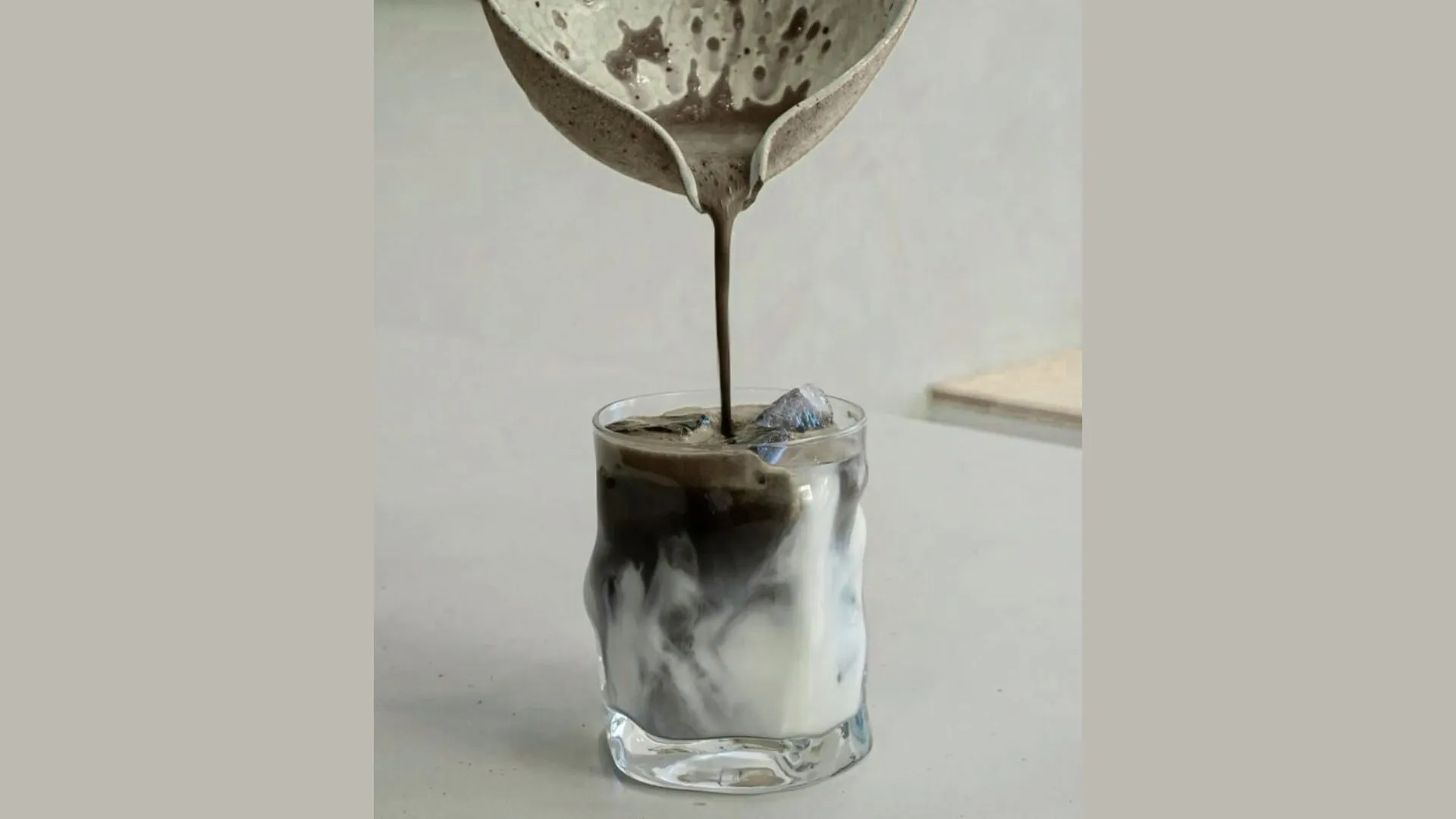
Made from the same tea plant, Camellia sinensis, Hojicha is a roasted green tea from Japan, known for its nutty, smoky flavour and low caffeine content. And is Japan’s earthy and toasted alternative to matcha. Served hot, iced or frappes, the tea that's rich in antioxidants is gentle on digestion and offers an entry point for those seeking subtlety.
In fact, culturally in Japan, hojicha has been long associated with everyday Japanese tea-drinking often served as a post meal drink. Interestingly, historians believe that it was invented by accident in 1920 in Kyoto by a tea merchant who wanted to reduce the waste ended up roasting his leftover tea leaves, stems and twigs of the plant. Today, its easily found across Japan and has slowly found takers globally including India.
“I first tried Hojicha in Tokyo at a café. It felt very grounding and made me feel calm,” recalls Abhishek Rathod, a self-proclaimed matcha enthusiast, who discovered it after a chance conversation with an elderly Japanese woman while waiting in line at the cafe. The last minute switch from matcha to hojicha turned out to be a welcome counterpoint to the drink he usually gravitates towards. While matcha is known for its vibrant, punchy taste and remains part of the match enthusiast's morning ritual- five or six cups a week, he says, hojicha, by contrast has found a different role in his life.
“It didn’t give me the same punch,” he says. “But it’s a soothing evening choice" that he loves to occasionally indulge in.
Venkata Mukesh Gundlapalli, 28, another guy who loves matcha knows it like a second morning ritual and would reach for hojicha when caffeine's edge feels unnecessary. But on most days, he finds hojicha mellow and "missing that bright, refreshing punch and the caffeine jolt that matcha delivers. When I’m looking for something to actually wake me up and keep me going, hojicha just doesn’t hit the same way."
One of the reasons why matcha has been able to race alongside tea and coffee is its caffeine profile. Generally, a typical serving of matcha is between one-and-half to one teaspoons that contains anywhere between 38 to 176mg of caffeine whereas, an 8-ounce (240mL) cup of coffee contains roughly around 100mg of caffeine.
So far those craving a steady energy, the naturally low in caffeine hojicha sits at the end of the caffeine spectrum. Moreover, while matcha is tied to highly ritualised Japanese tea ceremony, Hojicha is considered to be a far simpler drinker. Often made from first or second harvest of the plant, so far in India, only a small fraction of first-time drinkers have returned to hojicha as culturally Indians tend to pick high caffeine drinks as their choice of beverage.
Not only that matcha is a more favoured choice of drink for many guys due to its refreshingly green colour and the whole process of making matcha. To many matcha lovers, the process of making matcha is seen as therapeutic activity that often contends with coffee roasting. Grinding, measuring, and steeping for coffee aficionados combines technical, hands-on crafting with superior and personalised taste.
In contrast, the appeal to create your own and to invest yourself technically lacks when it comes to hojicha as you skip steps of roasting the leaves. Hojicha powder doesn't require whisking with hot water and is usually brewed like a regular leaf-tea.
That begs the question then, whether this roasted green tea is a fleeting curiosity, a seasonal indulgence for the adventurous few or could it quietly carve out a place of its own, nudging at matcha's favouritism? Against India's deep-rooted caffeine habits where tea and coffee (and now matcha) punctuates the everyday, Hojicha is yet to find its own footing. And those that fill their cups with hojicha right now either are looking for curious about alternative to coffee or stimulant-laced matcha and not as replacements.