Bone Marrow Is Now A Rich, Refined Indulgence
It's no longer reserved for just rustic stews and homestyle broths
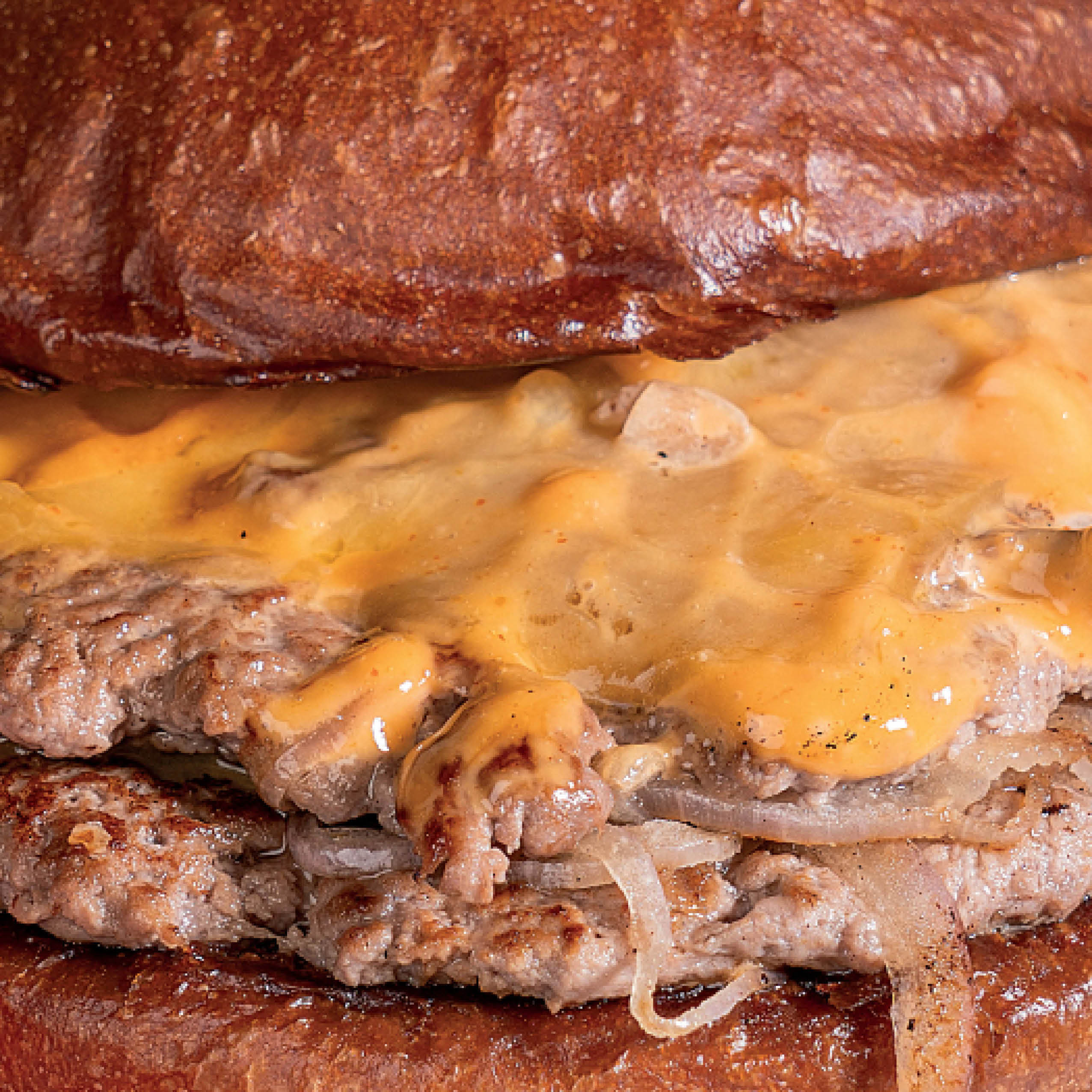
There's something wickedly decadent about bone marrow —glossy, golden, and unapologetically fatty. A delicacy in every sense, it’s a flavour to covet, a texture to surrender to, and an experience that demands appetite over apprehension. Long simmering in Indian kitchens—often cloaked in the velvety gravies of a nihari or the healing hug of a paya—marrow is now taking centre stage, as chefs wrench it out of the shadows and place it firmly on the altar of upscale dining.
Reimagined in playful, modern formats—from glistening toast-toppers to marrow-laced burgers and bone-shot theatrics—this once-humble offcut has found a bold new guise. It’s emblematic of a broader culinary shift, where chefs are reframing nostalgia: not just as something to honour, but as a launchpad for innovation. The result? A full-fat renaissance of flavour.
“Bone marrow has always been part of our food culture,” says Hussain Shahzad, executive chef at Hunger Inc. Hospitality, the team behind The Bombay Canteen, O Pedro, Veronica’s and Papa’s in Mumbai. “And now, it’s not intimidating or over the top—it is actually pretty fun and approachable. You see it served on a toast, a tostada, or even just with a flaky paratha on the side so you can scoop it straight on. It’s no longer reserved for only stews or broths... I mean, honestly, who doesn’t love marrow? It’s fat, it’s flavour—it delivers,” he says, with flourish.
You May Also Like: Essential Guide To Building Your Own Charcuterie Borad
At Shahzad’s restaurants, marrow takes many forms. At Veronica’s for example, it’s folded into burger grinds, paired with dry aged short ribs for a smash patty that oozes umami and sears like a dream. At The Bombay Canteen, it’s lovingly tucked into a Kachori alongside smoked onion curry and tadka dahi. At O Pedro, it arrives nestled in a tamarind gravy, finished with pickles and crusty Goan poee. One thing is clear: this isn’t marrow as a background note—it’s front and centre, and it’s here to impress.
So what’s driving this bone-deep obsession? For one, India’s diners are more curious than ever. “Diners have become far more open to trying bold textures and flavours,” says Varun Totlani, head chef at Masque restaurant and the newly opened Paradox in Mumbai. “They’ve experienced global menus while travelling, and they want to have similar experiences back home, too. The new gaze at the marrow feels like a natural outcome of evolving palates and a growing appetite for experimentation,” he adds, noting its distinct mouthfeel.
You may also like: How To Build You Bar Cart
At Paradox, Totlani serves roasted marrow with thecha, caramelised onions, and a refreshing salad of basil, pickled onion and kaffir lime, all scooped up with purple potato chips. And in a cheeky twist, guests can chase it with a shot of tequila poured straight through the bone afterwards—a move that’s culinary theatre at its most playful. “That’s just a bit of fun! It’s not something I invented, though I wish I had!,” he says, with a laugh. Pouring a shot through the bone picks up leftover marrow, almost turning it into a mini cocktail. A kamikaze, with its citrusy acidity, pairs surprisingly well. “I’d love to see it become a ritual at Paradox—guests calling for a shot, passing the bone around, making a moment of it,” he says.
At Plats in Delhi, chef and co-founder Jamsheed Bhot swaps out butter for bone fat to build flavour and moisture into steak crusts. “Rich, fatty and with umami, it’s a no-brainer to pump up any preparation,” he says—a reason marrow finds its way into global cuisines in various forms. Beyond evolving palates and a growing appetite for experimentation, he credits its appeal to its nourishing qualities. “People recognise the collagen benefits in marrow too,” he notes.
It also hits a sustainable note. All three chefs emphasise the value of using all parts of the animal—not just the prime cuts. In an era where food waste is a pressing issue, marrow becomes a quiet act of culinary responsibility. So where does the marrow trend go from here? If the current scene is any indication, it’s only going to get more inventive. There’s room for irreverence—bone marrow tacos or marrow-infused cocktails—but also for deeper explorations into regional traditions. Because, whether slathered on toast or steeped in a spicy broth, bone marrow taps into something primal. It’s indulgence with roots. And in the hands of India’s most forward-thinking chefs, it's pure poetry—and the standing ovation that follows is well-deserved.
You may also like: Best New Restaurants In Mumbai
Fat forward facts
Precision is key
Bone marrow is fat—gorgeous, silky fat—and it requires exact timing. Roast it too long, and it melts into nothing. Underdo it, and it clings to the bone, stubborn and unyielding.
Sourcing matters
“The key to enhancing the flavour and texture of bone marrow starts with the quality of the ingredient itself, which largely depends on freshness,” says Shahzad. “Marrow from the hind femur is ideal—it has a better fat-to-bone ratio and structure.”
You may also like: An Ode To The Negroni
Soaking for perfection
Marrow bones should be soaked in salted iced water for several hours or even days. “This process draws out residual blood, giving the marrow a cleaner, more neutral flavour,” says Shahzad. “It also improves texture, ensuring the marrow isn't tainted by any unwanted metallic or off-notes during cooking.”
To read more stories from Esquire India's April 2025 issue, pick up a copy of the magazine from your nearest newspaper stand or bookstore. Or click here to subscribe to the magazine.