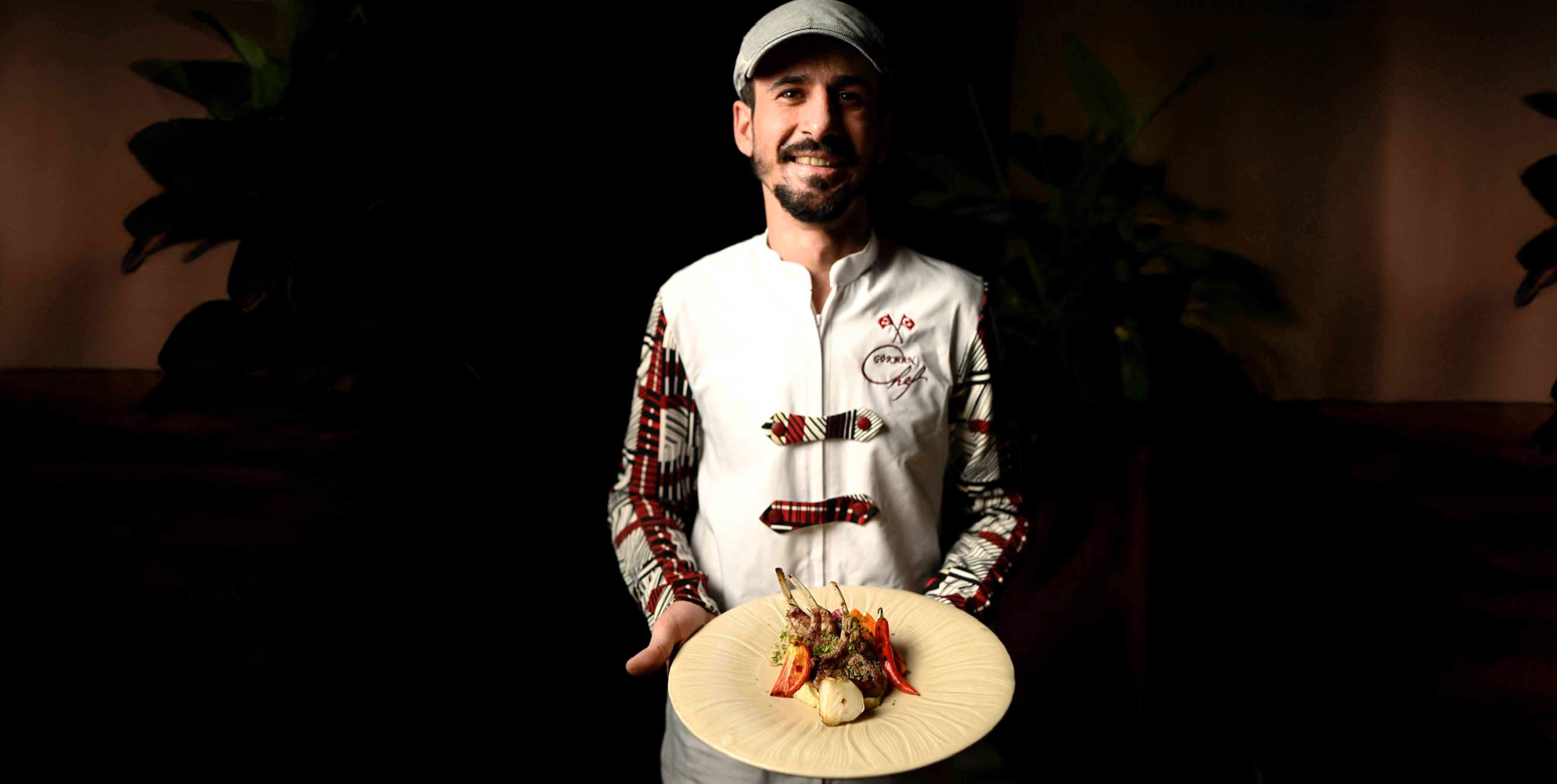
Turkish Cuisine Is For Vegetarians Too, Says Chef Gokhan Eser Kesen
Chef Gokhan Eser Kesen busts all myths about Turkish cuisine and shares his recommendations on the dishes you must try
If you were to ask any foodie about Turkish cuisine, they'd quickly tell you they've tried Kebabs, Baklava and Kunafa, and enjoyed it all. Thanks to Turkey's ever-growing popularity as a tourist destination, coupled with Turkish dramas finding a place on everyone's watch list, Turkish cuisine has come to be enjoyed by people across the country and the world.
But, that’s just the tip of the iceberg. Ranging over 300,000 square miles, Turkey’s diverse culinary landscape has a lot more to offer than just meat preparations and desserts generously topped with nuts.
That’s exactly what Chef Gokhan Eser Kesen has been trying to highlight since his advent in the culinary industry, a decade back. After serving in the Turkish army as a fighter pilot, his relentless practice to recreate popular dishes from across the world have helped him make a name for himself as a chef extraordinaire. He has travelled over 17 countries and can be accredited for opening many restaurants across the globe. For those living in Delhi, he is the man behind many a culinary masterpieces in the city - Khubani, Diablo and Wolf, to name a few.
You May Also Like: The Korean Food Boom in Mumbai: Where To Find The Best
In a candid conversation with Esquire India, he speaks about his journey into the culinary world and busts the common myths that people have about Turkish cuisine.
Tell us about how you ventured into the world of food
I come from a family that has been serving the Ottoman Empire kitchen for eight generations, so the love for food is something that came very naturally to me. I was in the Turkish army for a while and after having served my tenure, I decided to venture into the hospitality industry and contribute to the pre-existing legacy of my family. When I started off, it was definitely not a cakewalk, but my love for food kept me going. This never-give-up mindset is something I developed during my days in the army as a fighter pilot and I am glad that my consistency has started to pay off.
Turkish cuisine has a lot of similarities with Mediterranean cuisine. If you had to explain the difference between the two, how would you do it?
Mediterranean cuisine is a broad mix of flavours from Southern Europe, the Middle East, and North Africa, with a lot more focus on olive oil, seafood, and fresh herbs. Turkish cuisine, on the other hand, is more rich and spicy, and includes heavy use of yogurt, grilled meat preparations and dough-based dishes. You can see a lot of Central Asian influence on Turkish cuisine which is clearly missing from Mediterranean dishes.
We are living in an age where people are really conscious about the food they ingest into their bodies. So, for anyone who prefers food which is not very spicy and oily, Turkish cuisine can be your saviour.
Do you see any similarities between Indian and Turkish cuisine?
The methods of preparation applied in preparing traditional Turkish dishes are something that we find a lot in lost recipes of Indian food. Certain dishes also have the same name in India and Turkey. Like the Indians, the Turks also have a dessert called halwa which is very similar to the Indian one. I am eagerly figuring out a way to give the regular Indian chicken curry a Turkish spin.
Are there any misconceptions about Turkish food that you'd like to bust?
Turkish food is not just non-vegetarian, there are a lot of vegetarian options available. There are different kinds of soups, breads, ezme, and kofte which are sure to appeal to people who are not very fond of meat.
For someone who has no understanding of Turkish food, what would be the 3 dishes you'd recommend they should start with?
Start with a basic Pita bread accompanied with popular dips like Hummus, Tzatski, Ezme, and gradually proceed to a Mezze platter. Finally give the Adana Kebab (lamb kebab) a try. For vegetarians, you can start with a nice hot Yayla Corbasi (Yoghurt Soup).