Matcha Ado About Nothing
Whisked, filtered, frothed to death —matcha has become the wellness world's biggest inside joke
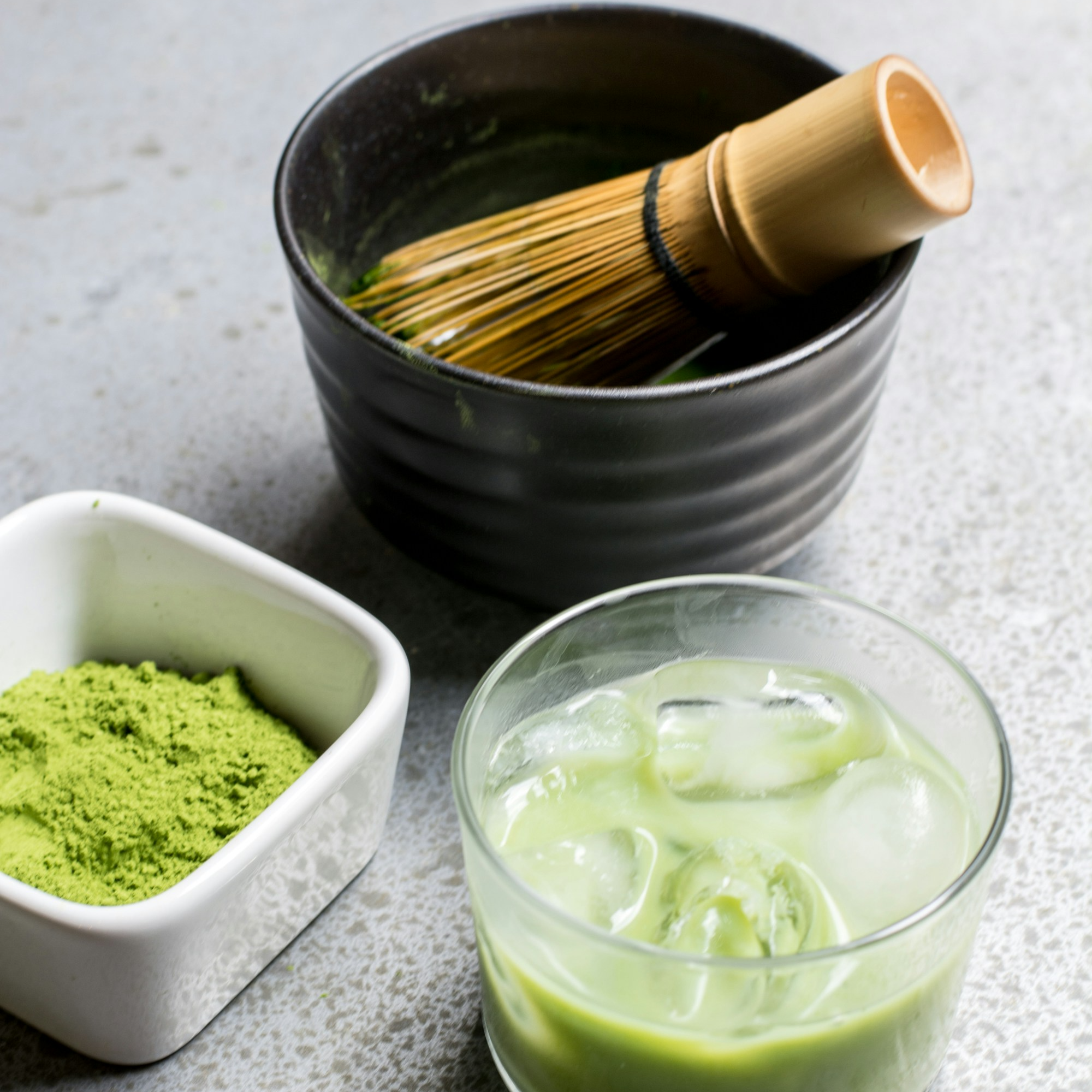
I’m just going to come out and say it: matcha sucks.
The first time I drank it, I felt like I’d been lied to. Well, not in a dramatic, life-altering way – it’s not like my childhood turned out to be a sham. But in a quiet, insidious, TikTok-induced way.
I was sitting in a gleaming café in Mumbai. You know the type — Scandinavian lighting, recycled wood counters, a lot of leafy monsteras, an employee who corrects your pronunciation. I saw a matcha latte with “your choice of milk”, so I chose oat. (I should’ve chosen the door.)
It came in one of those thick-bottomed glasses with condensation beads on the outside and an edible flower floating on top. “It’s ceremonial grade”, the perky barista said, her voice thick with the belief that she was about to change my life. “Imported from Uji”. I nodded like I knew what the hell that meant and took a sip. It tasted like grass. Or henna. Or, I don’t know, a mix of both.
That was three years ago, back when matcha was still a curiosity in India, something you'd encounter at the occasional wellness café or in the Instagram stories of that one friend who'd just returned from a "transformative" trip to Japan. I was intrigued enough to finish the drink, mostly because I'd paid for it, and vaguely impressed by the ritual—the bamboo whisk, the careful measuring, the meditative whisking until foam appeared like magic.
Now matcha is everywhere, and I f*ing hate it.
Walk into any café and you’ll find matcha lattes, matcha cocktails, matcha dessert, matcha ice cream, matcha tiramisu. There’s also matcha toothpaste now (yes, really). Then there’s skincare. Quench launched a serum with “matcha green tea” (how even?). ClayCo has a “purifying matcha clay mask” (um, no thank you). India's matcha market is exploding—projected to grow from USD 104 million in 2024 to USD 167 million by 2030. We've collectively lost our minds over a bitter green powder that tastes like punishment disguised as wellness.
Don't get me wrong—there are exceptional versions. Razwan Zamfirescu at The Dimsum Room, Mumbai, has been crafting matcha cocktails for five years, treating it like a serious ingredient rather than Instagram bait. His ‘Salty Dog’ layers tequila shaken with matcha over grapefruit and yuzu juice, creating something that actually justifies the drink's existence. "I found that it pairs beautifully with grapefruit and yuzu juice—it balances citrus acidity with matcha's earthiness," he explains. He tried matcha ten years ago in Germany, and fell in love with the grassy, umami-flavour profile. “While I’m not a regular tea drinker in the traditional sense, matcha has become one of my favourite ingredients to use.”
Manav, a Delhi-based self-proclaimed matcha enthusiast, speaks with the fervor of the converted. "Ever since I switched to matcha, it just makes you feel better about yourself," he says. "It gives a sort of body high, where you do feel the energy, but also a sort of tranquility. Bonus points for matcha not being a laxative."
I think that’s fair. A stickler for good quality matcha, he actually makes his own matcha at home. “Sieve 1.5 spoons of matcha, add boiling water, whisk for 30-40 seconds till you see the foam. Then, fresh glass, lots of ice, almond milk, two drops of vanilla extract, and put the matcha in. Stir and trust me, it’ll blow your mind away.”
And honestly, I tried it and it wasn’t so bad.
Another matcha enthusiast, Sabrina, didn’t love matcha at first, but after her roommate made it with “good matcha”, she fell in love with it. “It’s really about the grade of matcha and how it’s made,” she says. “I don’t love chai, and I never drank coffee. Matcha tastes good, and I’ve also heard it’s healthier, so I just like it more than the alternatives.”
So yeah, don’t get me wrong. I’m not bashing everyone who loves matcha for the right reasons.
But for every thoughtful application, there are dozens of lazy cash grabs. Matcha croissants that taste like sadness. Matcha bubble tea that's mostly sugar and food colouring. Matcha face masks, matcha lip balms, matcha toothpaste. The proliferation is as relentless as it is cynical.
LET’S BE FRANK: Most places serving matcha in India are just buying overpriced powder, mixing it with milk, adding some sweetener, and charging you five times what they paid. They've figured out that slapping "ceremonial grade" on the menu justifies highway robbery, and we're dumb enough to pay for it because the drink photographs well next to our avocado toast.
The real tragedy is how matcha has become a lifestyle accessory for people who think wellness is something you can purchase.
The irony is exquisite. A generation that prides itself on authenticity has fallen for the most manufactured wellness trend imaginable. Matcha has become the ultimate signaling device—look, I'm the type of person who has time for ritual, money for quality, and the cultural sophistication to appreciate something beyond chai. Never mind that most people can't tell good matcha from the powdered green food colouring sold at overpriced cafés.
Chef Tarun Sibal, who admits he's not particularly a fan, sees matcha coexisting with rather than replacing chai. "It won't become truly mainstream, but it will remain a preferred choice for those seeking something different," he says. Different, sure. Better? That's debatable.
Matcha isn’t the enemy. Much like burrata or truffle oil, it never asked for this. It didn’t ask to be blended with protein powder, or baked into cookies, or dumped into your collagen latte like it was a multivitamin. Matcha just was — simple, elegant, green. And now we’ve turned it into a wellness Rorschach test.
I don’t hate matcha. I hate what we’ve done to it.
I hate that we’ve made it a personality. I hate that every new café launches with it on the menu like it’s a basic requirement, right next to sourdough toast and beetroot hummus. I hate that most of it tastes like wet cardboard, and no one says anything because they’re too busy pretending it’s “earthy.”
If you want to pander to wellness culture, at least do it with imagination. Give us something that doesn't taste like punishment wrapped in ceremony.
But please, stop pretending that overpriced green powder represents some kind of spiritual awakening. It's just tea. Expensive, bitter tea that photographs well.