Chef Mohit Singh On Bringing Japan's Izakaya Culture To India
The Head Chef at Otoki talks about all that shaped his journey, and what lies ahead
It’s not difficult to imagine a young chef Mohit Singh in a small kitchen in Takamatsu, surrounded by the quiet choreography of a traditional ryotei. He would have wiped down the counters until they gleamed, arranged his knives with monk-like care, and listened. Really listened. To the rhythm of the small ryotei kitchen in Sokkon. To the advice of senior chefs shaped by years of repetition and refinement. Steam rising from simmering pots, a sliver of morning light catching the edge of a tray, the scent of dashi drifting through the air, the sound of fish meeting a hot pan, kombu bubbling gently, a sliding door closing somewhere behind him.
You can picture him standing outside after service, skin still warm from the stoves, replaying the day’s movements out of appetite for more. The kind of appetite that pushes a cook to dream bigger than the place they stand in. Kyoto came next, and with it Kikunoi Honten, a three-Michelin-star custodian of Japanese heritage cuisine. Kyoto came next, and with it Kikunoi Honten, a three-Michelin-star temple of Japanese heritage cuisine. There, Mohit would have learned the weight of a recipe passed down for generations, the sacredness of a broth that took a lifetime to master, and the elegance of knowing when to stop. Belgium and Bangkok followed, each adding texture, technique, and a different edge to his craft.
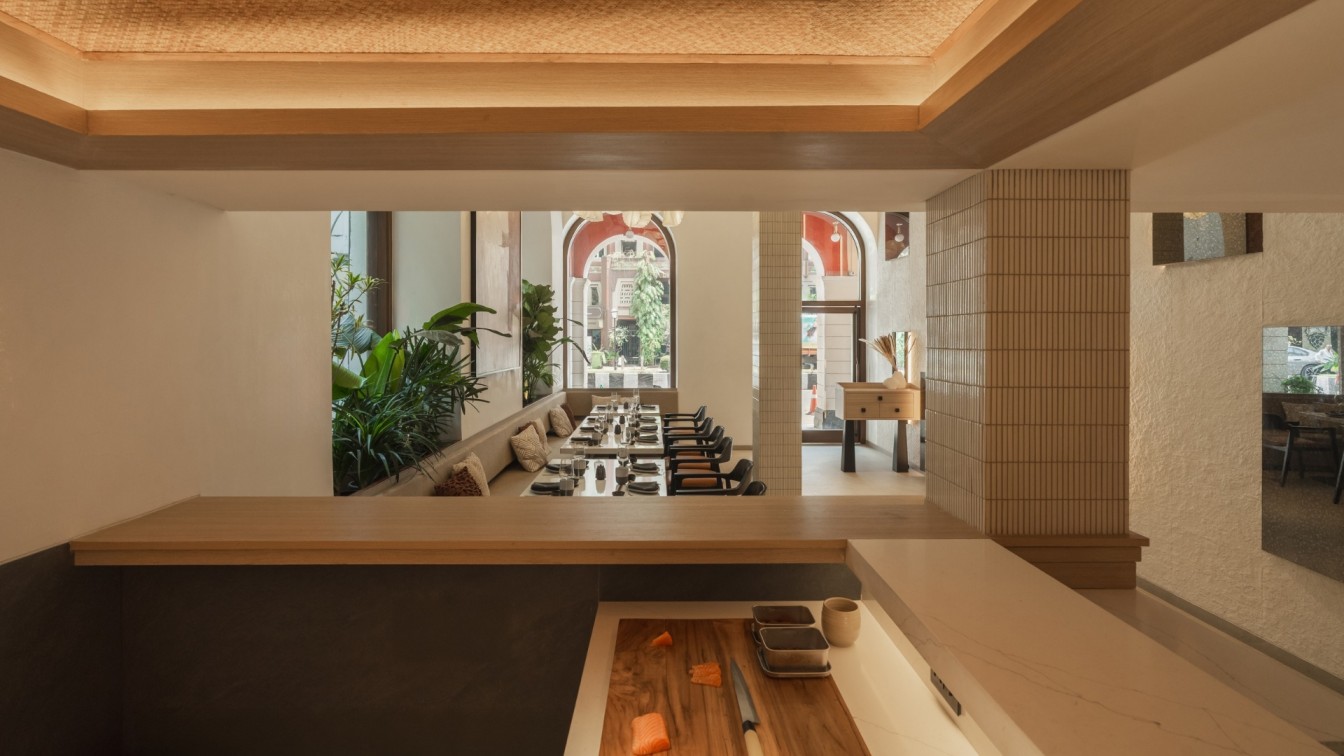
That idea is what eventually shaped Otoki in Colaba, a quiet but assured tribute to the Japan he once lived in. And now, with Mumbai finally moving past its sushi-only lens, Mohit is doing what many speak of but few execute with authenticity: pushing for a genuine izakaya culture in India. For him, Otoki is a traveller’s refuge, a place for diners who have tasted Japan not just in Tokyo but in Dubai, Bangkok, Singapore, and beyond; people who recognise the nuances and more importantly, carry the same affection for the country that he does.
"I had to let go of my hyper-perfectionism to make space to improvise for Otoki," he says. And improvise, he did.
His new lunch menu emerges from that spirit of improvisation, offering food that remains true to its Japanese roots while still feeling approachable to Indian palates. While seafood and meat often anchor Japanese cuisine, Otoki places vegetarian dishes shoulder to shoulder with their non-vegetarian counterparts. Otoki's menu was crafted with the kind of simplicity and authenticity that you would expect of someone who has learnt his base from a Michelin-starred restaurant but has the vision to explore beyond what the base can do for him and knead it into ways that feel fresh.
Range, he believes, is essential. Consistency is necessary to create the base, but it is the range that separates a cook from a craftsman. “Repertoire” is the discipline he still teaches, pushing young cooks to explore, question, and innovate.
In his kitchen, it's the technique and ingredients that assume centrestage. “I try to make sure the ingredient that I’m sourcing is flavourful enough to be consumed as it is, with very simple methods of cooking,” he explains. Premium Japanese produce is imported to retain the ways of the original Izakaya eateries, while local ingredients keep the menu rooted in seasonality. “Every ingredient is made to speak for itself,” he adds.
For Mohit, the goal is not expansion for the sake of novelty, but refinement. If he can bring in new ideas and ingredients simply because he enjoys giving his guests something they haven’t tasted before, then why not?