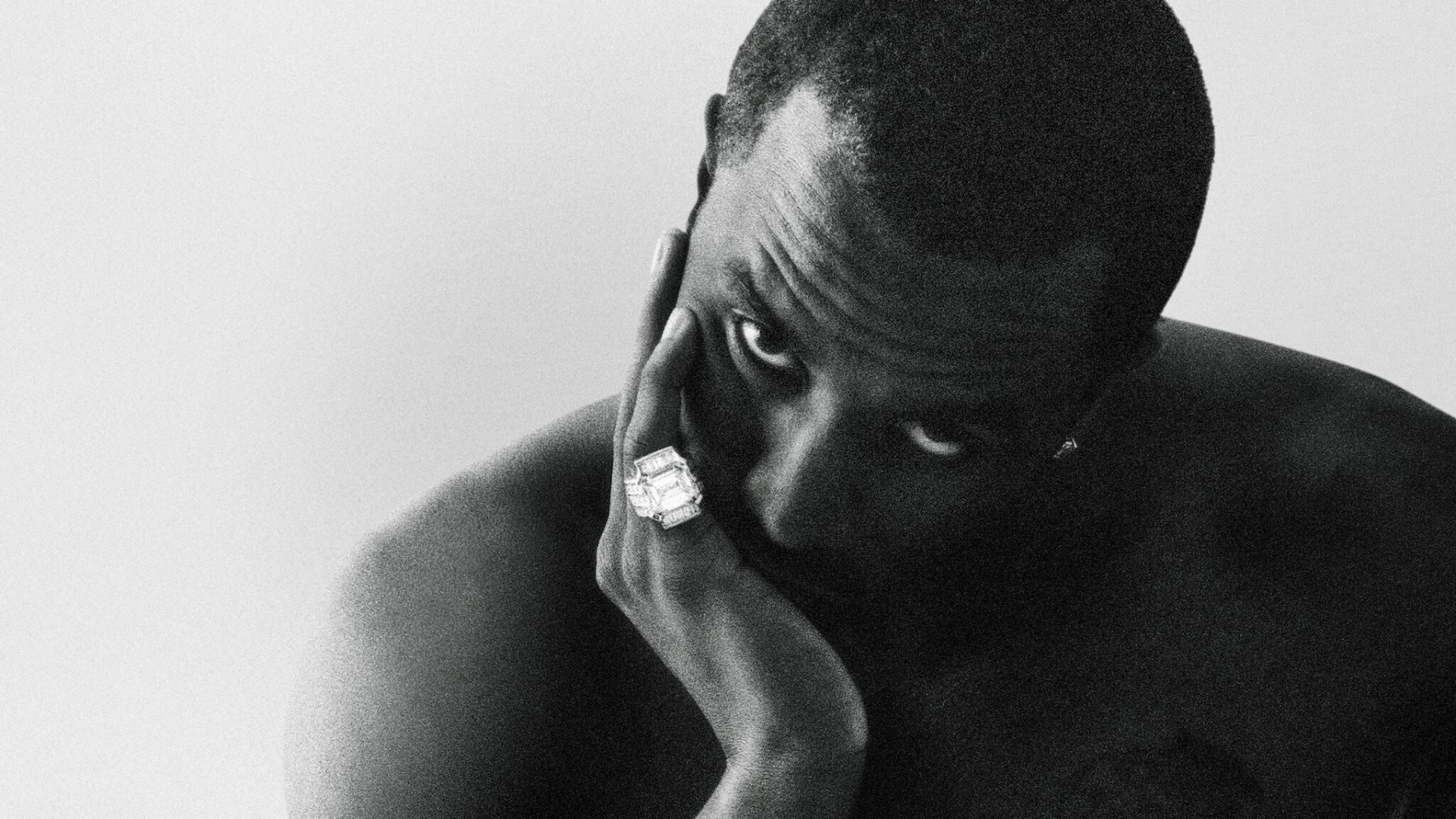
So, Did P. Diddy Actually Kill Tupac?
The most surprising things in the Sean Combs documentary
Oh boy, trust 50 Cent to deliver a hit right where it hurts the most.
Convicted sex offender and media mogul Sean Combs, a.k.a. P. Diddy, is reportedly preparing a billion-dollar defamation lawsuit against Netflix for their four-part docuseries, Sean Combs: The Reckoning. For good reason, too, because the 50 Cents production has enough evidence to ensure that even if Combs gets out of jail, he would never be able to get anywhere close to the limelight that he has been enjoying in a career spanning almost thirty years now.
True crime documentaries have a way of highlighting how gruesome the murders are. In Sean Combs: The Reckoning, there is an air of uneasy casualness around the crimes that he commits. An unnamed witness reveals to girl group Danity Kane’s former member Aubrey O’Day, that she had walked into her being drugged and sexually assaulted by Diddy and (possibly) his bodyguard. The witness is asked to stay quiet, and she just went back to the party and acted as if nothing had happened.
Every second interviewee comes on the screen and you think to yourself, oh, so this is the co-founder, that was the producer, that is the person who procured the girls for those parties. You think they were complicit in his actions. But by the time their interviews for the documentary end, you sit in shock, realising that they were all victims who had been assaulted by the media mogul without any knowledge of what had happened to them. "Powerful people can do scary things", one admits.
To add to this, every episode begins and ends with a title card with his charges written on it. In the beginning, it feels like the owners want to drill into your head just how bad the allegations against him are. By the end of the docuseries, they want you to reflect on how little the charges are compared to the seriousness of the crimes that he has committed against everyone around him.
Did Diddy Actually Kill Tupac?
Here’s your answer to the million-dollar question: The first episode literally ends with the short of Bad Boy Records’ co-founder Kirk Burrowes saying, “I think that Sean (Combs), now in my mature mind, had a lot to do with the death of Tupac”.
Sean ‘Puff Daddy’ Combs not only killed Tupac Shakur in 1996, but he also sent The Notorious B.I.G. to his death in 1997. In fact, even the 2Pac vs Biggie feud and the mythic east coast vs west coast dispute was manufactured by Combs to villainise Pac and remove him from the equation after he stalled from working with the executive producer.
Diddy was also responsible for gangsters getting involved in the hip hop scene in the ‘90s, where he is implied to have hired the robbers who attacked Tupac in the 1994 Quad Studio shooting. He also publicly announced a million-dollar bounty for killing Suge Knight and Tupac Shakur. Tupac’s murderer, Duane "Keefe D" Davis, was supposed to get USD 50,000 for killing the rapper, but in the end, he was never paid (looks like he never paid anyone, by the way).
After Biggie’s fame shot up after Tupac’s death, the documentary claims that Diddy became jealous of the Big Poppa rapper and sent him to Atlanta to shoot a music video, knowing it was the territory of an enemy gang. After Biggie was shot to death on 9 March 1997, the media mogul used the sympathy to launch his own music career.
But wait, this is not all. Combs made a huge deal out of organising the “biggest funeral in New York” for Biggie Smalls, but he actually made Biggie’s family pay all the money for the funeral. As it was, Combs rarely, if ever, paid his artists, meaning The Notorious B.I.G.’s loved ones already had very little for themselves by the time of his death. The funeral ensured that they would be left with practically nothing.
But if all these crimes don’t terrify you (after all, these glamorous industries are all like that, right?), don’t worry, because the mundane, everyday jurors who have let people like Sean Combs get away with four years in prison would.
“You cannot clap with one hand”
Few movies and shows have convinced me about the dangers of a jury system in the judiciary the way this documentary has. Two of the jurors from Combs’ trial, Juror 75 and Juror 100, agreed to be interviewed for the documentary. Your blood boils as you realise that the former goes on a steady tirade, blaming Diddy’s victims, ready with the age-old “you can’t clap with only one hand” excuse. For context, this is about Diddy’s partner, Cassie Ventura, who was, on multiple occasions, assaulted physically and sexually by her partner. We see the CCTV footage of Combs knocking her across the room in one blow and carrying her limp body across the corridors of a hotel till she gains consciousness. Yet, argues the juror, it’s not wrong because minutes after being hit, Ventura would go out with Diddy and act like nothing had happened. They are just two people “overly in love”.
"If you don’t like something,” he says, “you completely get out. You can’t have it both ways. Have the luxury and then complain about it. I don't think so.
And if this was bad, Juror 100 seems infatuated by the star power of the man sitting across from her. “I am of that generation who basically grew up listening to the music that he was involved in,” she admits. When asked if Combs nodded to them during the trial (you are not allowed to do that in the US, by the way), she quips that it could not have been so - it was just a gesture that she remembered from when she used to watch his show, Making the Band.
Afterthoughts
On July 2, 2025, Sean Combs was found guilty of transportation to engage in prostitution, but not guilty on racketeering and sex trafficking charges. He was sentenced to 50 months in prison with credit for 12 months time served.
At the beginning of the first episode, we see what is supposed to be confidential footage of Combs freaking out on a call that there's no way they can get away with the trial. A good PR strategy is needed to overcome the lawsuits that stand in front of him. He did launch through influencers to clear his name, but the algorithm that is Instagram did not carry it to my feeds in India during the trial. Now that I have watched the documentary, I feel like P. Diddy would have walked away just fine without the campaign.
What could not walk away from the trial, however, was the collective hero-worship that shielded him for decades, the same culture that let people excuse, minimise, or simply ignore the allegations piling up around him. And when that culture seeps into the judicial system, you get a courtroom full of people who grew up admiring the man they’re meant to scrutinise, and upholding values that they were meant to change. The documentary makes it painfully clear: even when the evidence catches up, the myth of who someone is can still do half the work for them.