Brooklyn Nine-Nine Doesn’t Need an Indian Remake
An Indian adaptation of Nine-Nine? More like Nah-Nah
The slow death of originality rarely comes with a bang. It arrives in the form of a press release. Or in this case, a quiet whisper in the Hindustan Times: an Indian adaptation of Brooklyn Nine-Nine is reportedly in development. It is, we’re told, still at a “nascent” stage—meaning somewhere between wishful thinking and a disastrous greenlight.
There’s a special kind of hubris that drives the urge to remake things that were already working just fine. It’s a kind of cultural bureaucracy—why build something new when you can simply photocopy someone else’s success, smudge the ink, and call it localisation? It’s tempting, of course. Brooklyn Nine-Nine is one of America’s most beloved sitcoms: cleverly cast, tightly written, warm without being cloying, and surprisingly nimble at engaging with contemporary political conversations, from racial profiling to toxic masculinity.
None of this, however, is replicable in India.
Let’s not pretend we don’t already have the receipts. We did this with The Office, remember? What was once a brutal satire of corporate mediocrity became a neutered, meandering mess with all the bite of a soggy samosa. The Indian version turned David Brent into a painfully literal desi boss stereotype—more HR video than comedy. It confused mimicry for adaptation, and assumed that if you make the same joke with an Indian name, it’ll magically work. Spoiler: it doesn’t. The Indian Office didn’t misunderstand the assignment; it misunderstood and butchered the entire medium.
And this is exactly why Brooklyn Nine-Nine should be spared.
The Illusion of Adaptability
There is a persistent myth in Indian television and streaming circles that Western content is infinitely adaptable—that all it requires is a change of setting, a few surnames swapped, and some cleverly inserted brand integrations. But Brooklyn Nine-Nine was never just about police work; it was about a very specific vision of civic life. It made you believe—at least within the 22-minute runtime—that police officers could be emotionally intelligent, deeply flawed, often hilarious, but ultimately moral beings. That belief is not easily exported.
In India, the police are not seen—nor portrayed—as zany, well-meaning oddballs solving crime between ice cream breaks. They are functionaries in a vastly different social and political landscape, one not easily satirised without consequence.
We don’t have precincts with vending machines and morale-building escape room games. We have peeling walls, red tape, and questionable footwear budgets. And while satire could work, it would require a level of writing that’s not just sharp but legally fearless.
A show that, in its original form, managed to address systemic injustice with a surprising amount of grace would, in our hands, likely collapse into parody. And not the smart kind.
You Can’t Copy Chemistry
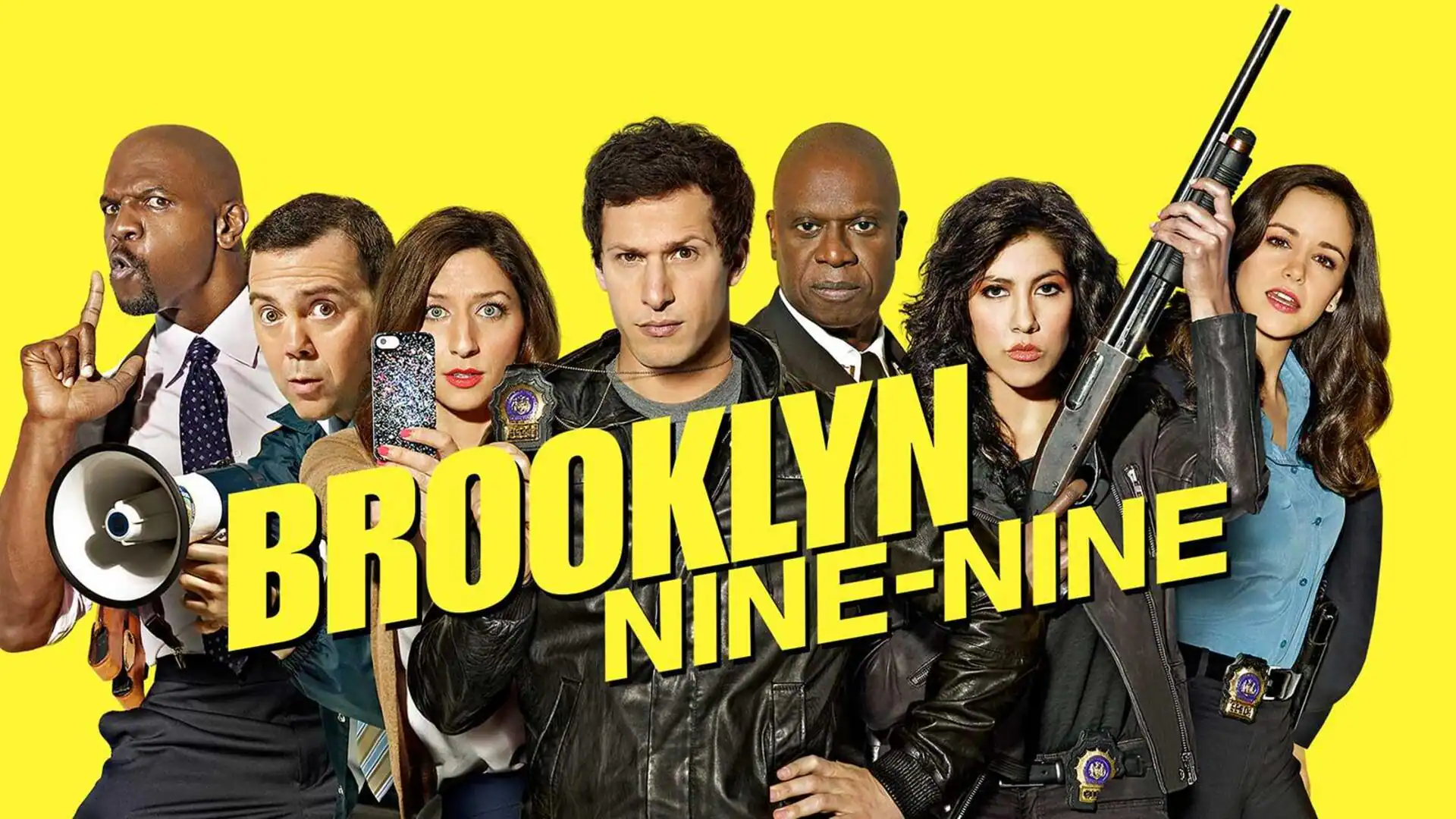
The original Brooklyn Nine-Nine thrived on the sheer lunacy of its cast’s chemistry. Jake Peralta’s man-child brilliance worked because Andy Samberg is Jake Peralta—equal parts Golden Retriever and human chaos. Captain Holt’s deadpan delivery became iconic because it was so deeply American, so culturally specific, so absurdly restrained. Gina Linetti was an algorithm-breaking fever dream of a character, the kind you can’t write—you just cast Chelsea Peretti and pray she shows up on set.
Now imagine trying to recreate that dynamic in an Indian context. Not just translate the jokes, but the soul of the show. Are we really ready for an Indian Rosa Diaz? Will she wear a leather jacket and mutter one-liners about stabbing people, or will she have to pause mid-threat for a “brand integration” moment featuring Bournvita Women’s Health? And who, honestly, is going to pull off an Indian Holt without slipping into cringe caricature or accidental mimicry of every strict Hindi teacher we’ve ever had?
Now to the Kunal Kemmu of it all. Look, we have nothing against Kemmu. He’s funny, has comic timing, and his performance in Lootcase showed promise. But Andy Samberg was never just a funny guy. He embodied chaotic good. He was the punchline and the heart. And frankly, if Kemmu is the best we’ve got, it’s a damning indictment of our casting ecosystem. Can we stop treating adaptations like wedding catering, where we’re just trying to “adjust taste” to suit the guests?
Let Classics Be
There’s a reason fans rewatch Brooklyn Nine-Nine a dozen times. Because it doesn’t need updating. Because it’s comfort food in its original recipe. And because some shows, like friendships or pizza slices, don’t travel well once reheated.
So dear makers: don’t do it. Don’t give us an Indian Holt named Inspector Malhotra who shouts “Discipline!” every five minutes. Don’t reduce Gina to a “quirky social media manager” with a YouTube channel. Don’t turn Rosa into a Delhi girl with rage issues and a “bad boy” arc. And above all, don’t make Terry drink protein thandai.
If you really want to create good comedy, try writing something original. Give us an Indian workplace comedy that doesn’t rely on imported blueprints. Make something new, daring, and reflective of our culture. Until then?
Case closed.