9 Denis Villeneuve Films, Ranked
Here are all the Denis Villeneuve's films ranked, from best to worst.
There are directors who entertain, those who provoke, and then there’s Denis Villeneuve—an auteur who seems to treat cinema as sacred geometry. He has this special skill to sculpt time and space, arranging not just sound but silence into a language of his own. His movies are fever dreams with clinical clarity, where emotional devastation lurks just beneath monolithic architecture and Hans Zimmer horns. Whether it’s a linguist decoding grief through an alien tongue, or a messiah trudging across dunes towards political obliteration, Villeneuve doesn’t dabble in stories—he dissects them.
Now, with Dune: Messiah simmering in development and the Bond baton passed to him by Amazon MGM, Villeneuve finds himself at the strange intersection of arthouse credibility and blockbuster responsibility. He is cinema’s chosen one—Frank Herbert’s heir, Ridley Scott’s successor, and potentially, the saviour of 007’s narrative soul.
But before we look forward, we look back. Here’s his filmography — ranked, dissected, and considered — from masterpieces to missteps.
Denis Villeneuve Movies Ranked, from Best to Worst
1. Arrival (2016)
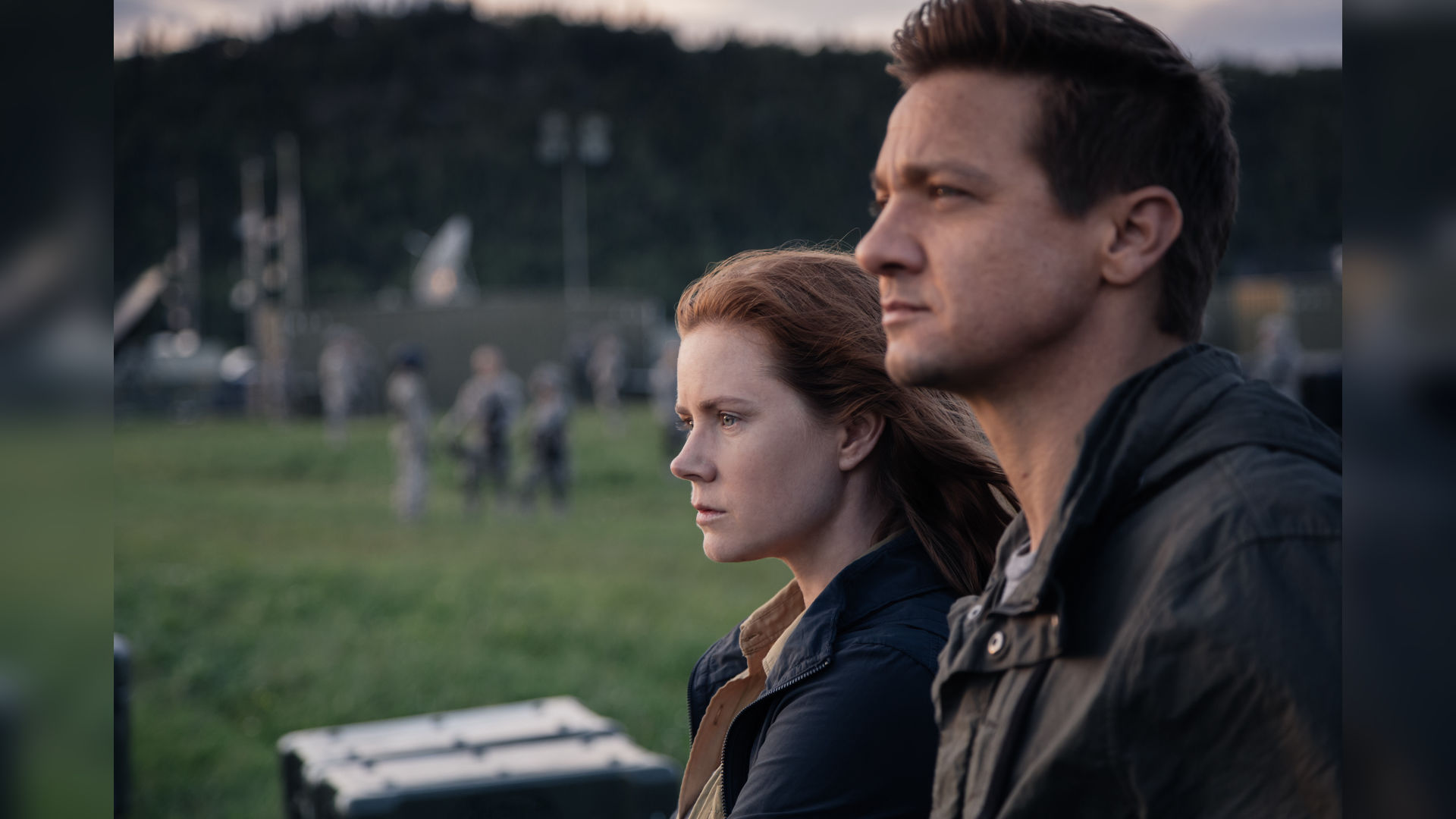
If Arrival isn’t Villeneuve’s magnum opus, then cinema may not deserve one. It’s not just a sci-fi film; it’s a philosophical thesis, a quiet cathedral of feeling, and an existential puzzle box wrapped in a linguistics lecture. On the surface, it’s about aliens—twelve monoliths hovering across the globe, and a linguist (Amy Adams) tasked with decoding their intentions. But the real subject here is time. And love. And loss. And the unbearable clarity of knowing how it all ends… and choosing to love anyway.
The film’s genius is in its patience. Villeneuve strips out the noise and spectacle that usually comes with the genre and makes something delicate, aching, and almost spiritual. That final act twist doesn’t just hit you — it floors you.
2. Dune: Part Two (2024)
It takes a certain madness to take on Dune, and a rarer genius to do it justice. But Part Two doesn’t just adapt Herbert’s dense mythology—it elevates it, delivering a vision so vast, it threatens to eclipse the novel itself. The second act of Villeneuve’s two-part epic sees Paul Atreides ascend, and in that rise is his doom. It’s the ultimate deconstruction of the hero myth—grand, sure, but deeply cynical. Villeneuve understands that prophecy isn’t destiny—it’s propaganda with a pulse.
This is epic cinema, no doubt. But it’s also deeply fatalistic. Austin Butler, bleached and bloodthirsty, is a revelation. And Greig Fraser’s cinematography? Breathtaking. Dune: Part Two is pure cinema.
3. Prisoners (2013)
Here’s the thing: Prisoners isn’t his most elegant film. It’s not his most composed. But it feels like his most personal. A raw, rain-drenched moral abyss where righteousness decays and justice mutates. Hugh Jackman plays a father whose child is abducted—and his descent is the descent of the entire film. There’s no relief here, only corrosion. Jackman gives a career-best performance as a father spiralling into vigilante madness. Jake Gyllenhaal — tired, twitchy, dogged — is just trying to keep the whole thing from collapsing.
This is Villeneuve stripped of sci-fi metaphor, operating in the real, and it’s terrifying. The cinematography is shadow-drenched, almost sickly, as if the film itself is losing oxygen. And the final note lingers. You’ll be on the edge of your seat the entire time.
4. Blade Runner 2049 (2017)
When Blade Runner 2049 was announced, it sounded like sacrilege. But Villeneuve refined Ridley Scott’s classic.
Gosling plays K like a man halfway between android and existential crisis. Ana de Armas is the heart of the film, and Harrison Ford brings a bruised gravity to his return as Deckard. The visuals alone deserve their own religion. But the biggest surprise is probably how much this film makes you feel.
5. Sicario (2015)
Villeneuve’s collaboration with Taylor Sheridan gives us his tensest, most formally precise thriller. Sicario pulses with dread. The border is a moral demarcation between civility and sanctioned savagery. Emily Blunt’s Kate is our way in—idealistic, naive, and slowly sidelined. The real war here isn’t drugs. It’s narrative control. And by the end, Blunt’s character has lost even that.
Benicio del Toro, cold as a phantom, delivers violence with the precision of a surgeon. Jóhann Jóhannsson’s score growls. And that Juárez sequence? The convoy, the silence, the choreography of fear—it’s one of the greatest action scenes of the century.
6. Incendies (2010)
Incendies is brutal—not just in its subject matter, but in its structure. Time folds, geography shifts, and memory becomes weaponised. Based on Wajdi Mouawad’s play, this film follows twins uncovering the unspeakable past of their mother in a war-torn Middle East. It ends with a revelation so horrifying, it feels mythological.
It’s not an easy watch. There are moments that feel almost too much — too melodramatic, too shocking. But the bones of what makes Villeneuve great are all here: fractured timelines, layered grief, the sense that time and trauma never really resolve. It’s a story about the past catching up — and it hits like a truck.
7. Dune (2021)
A visual banquet, sure. But also a very long setup. Dune (Part One) is all tone and world-building — and very little pay-off. Which isn’t a flaw, necessarily. Villeneuve knew he was building a foundation. It just means that as a standalone film, it feels more like a promise than a payoff.
You admire the detail, the discipline, the daring—but you leave wanting more (and maybe a little confused). Which was the point. Villeneuve trusted his audience to wait. And in hindsight, the gamble paid off.
8. Enemy (2013)
This is the one you argue about over drinks. What’s real? Who’s who? What’s with the spider? Enemy is Villeneuve at his most cryptic, adapting José Saramago’s The Double into a Lynchian fever dream. It’s probably his weirdest movie — and that’s saying something. Gyllenhaal plays a guy who sees his double in a film, finds him, and promptly begins to unravel. There’s sex. There’s identity crises. There’s a giant spider. It’s all very… open to interpretation.
Shot in sickly yellows and low light, Enemy is less interested in plot and more in mood. It’s a vibe. And a disturbing one at that. You’ll probably finish it and say, “What the hell did I just watch?”
9. Polytechnique (2009)
Recreating the 1989 Montreal massacre with a documentary-like eye, Polytechnique is a hard watch. Shot in black and white, it’s devoid of sentimentality, refusing easy catharsis. Villeneuve isn’t interested in re-traumatising or glorifying. He’s bearing witness. But the emotional remove that works so well in his sci-fi later feels alienating here.
It’s not bad. Polytechnique is not for everyone—but it shows that even at his rawest, Villeneuve was working with scalpel.