From The Jungle To The BAFTAs: Meet Neel Soni
A camera, a forest, and a story that changed both their lives. Neel Soni is just getting started
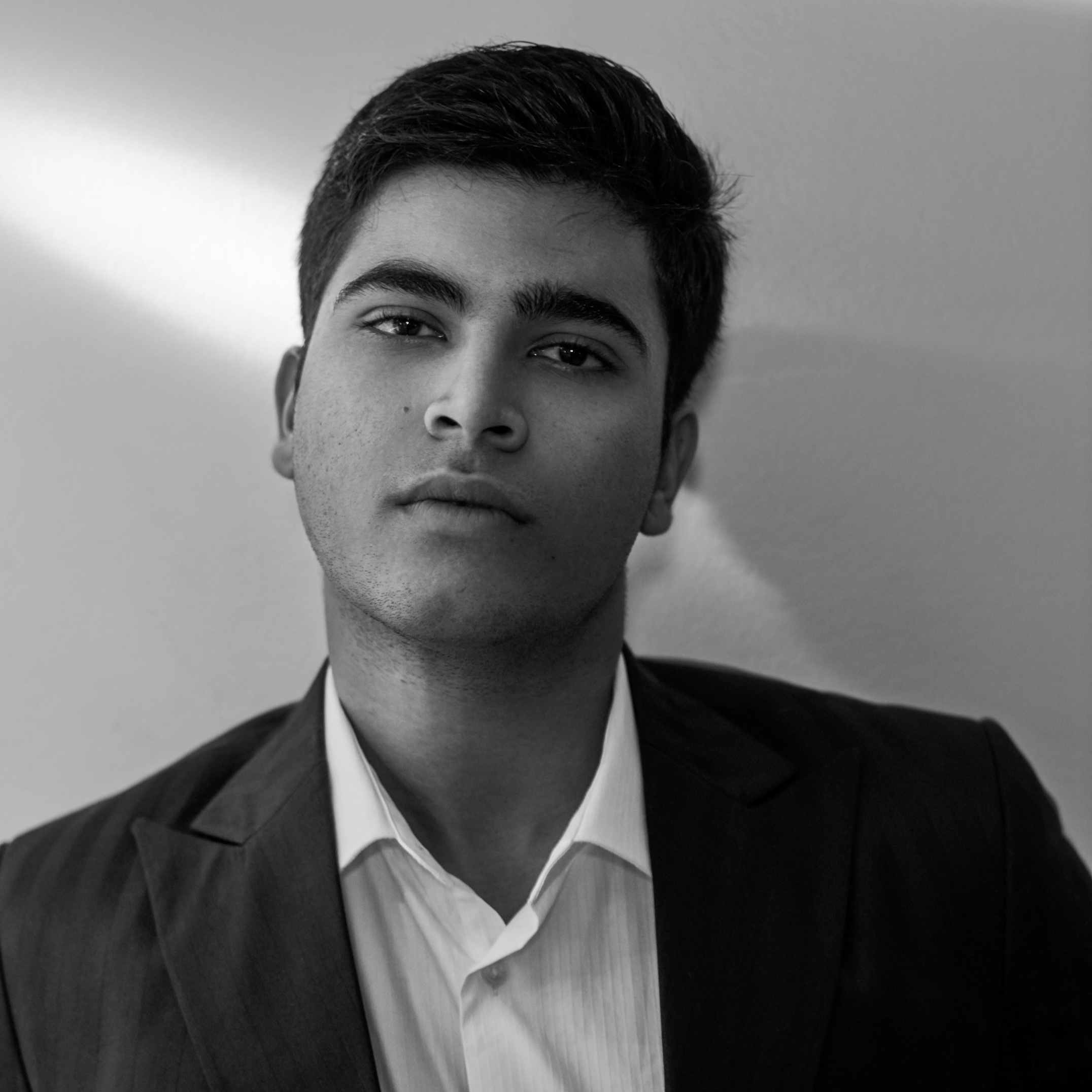
“At the end of the day, I’m still just that kid with a camera, chasing shadows in the dark… not for anyone else, but because that’s how I see the world,” says Neel Soni, the young filmmaker, wildlife photographer, conservationist, and author of A Walk On The Wildside.
At 23 most of us figuring life out- the kind of work gigs we would like to take up, how we can save money to get that item that’s at the top of our wish list. Meanwhile, a young talent like Neel Soni is busy making waves at the international film circuits like the BAFTA Awards with his debut, a short documentary Babli By Night.
Shot in the deep greens of Uttarakhand and shaped across four years of friendship and footage, the film follows Babban—a Muslim-transgender forest guard who finds peace among trees and terror in diagnosis. The story isn’t stylised; it’s seen. Felt. Held with care.
“It’s not just a portrait of one individual, but a reflection on freedom, resilience, and the unexpected ways in which people find harmony within themselves and with the world around them,” he explains.
If you think this is a story about a cause, stop. This is a story about a filmmaker who’d rather listen than lecture, who builds trust before he builds scenes, and who still isn’t sure if the recognition means anything unless the story helped someone breathe easier.
“I just want to make people feel something. Whether it’s love, discomfort, or something in between. When something is made from that place of sincerity, people will feel it. That’s all I’ve ever wanted from my work.”
So how does a 23-year-old with a camera end up on the longlist for the BAFTA Students Award in the documentary category? We sat down with Neel to talk about creative chaos, quiet resilience, and why joy in the jungle might be the most rebellious act of all.
Winning, or even being nominated, for a BAFTA can change the conversation overnight. Selected from over 1000 submissions across 39 countries, Babli By Night is one of the 20 selected in the documentary category, with you as the sole Indian filmmaker, has it altered how you see your own work?
This film took four years of my life. Four years of holding on, of trying to make something fragile survive in the noise. For a long time, I wasn’t sure it would ever be seen. And then this happened. It changed everything, not just for me, but more importantly, for Babban. It’s something we’ll both carry with immense gratitude. That said, I don’t think it’s changed how I see my work. I’ve always made films for myself first. I can’t control how anyone will respond to what I create, and I’ve learned to let go of that. What matters to me is the honesty I bring to the process. If I’m expressing something truthfully and wholeheartedly, then I’ve done my part.
I’m deeply grateful to receive this recognition from BAFTA. It feels like a quiet affirmation—because making a film asks so much of you. You give it your sleepless nights, your quiet doubts, your fiercest truths. In the end, you're offering the world a piece of your heart, hoping it lands gently somewhere.
What does a Neel Soni set feel like?
I love working under pressure, I think I thrive within it but I also love days when everything goes to plan. My sets are a mixed bag, most days things run smoothly but like everyone, we have our moments of chaotic energy. I think it’s really important to have days like that too.
The creative industry is a high stakes industry in general and everyone working on your set and after you shoot is giving you a part of them and bringing something unique to the table, that’s such a beautiful part of what we do.
Take us back to the beginning. What drew you to Babban’s story—and when did Babli by Night become more than just a film?
From the very first time I met Babban where in the day there was this forest guard, in their uniform, looking very authoritative to the very same evening where that same person was now in a salwar kameez dancing happily.
That moment stayed with me. It revealed a layered, deeply human story that was yearning to be seen and heard. I was fascinated not just by the duality of Babban’s life, but by how nature played a profound role in shaping and healing identity.
I related to that sense of feeling more cantered, more myself, in the wilderness. Over time, as I continued to understand and build trust, I saw Babban’s story evolve, growing more complex, more vulnerable, and ultimately more beautiful. Babli by Night was born from that long-standing connection.
Tell us a memorable day on the set of Babli by Night?
A memorable day on Babli by Night for me was during our first schedule. We drove to a location to shoot a sequence and through the day kept finding spaces and pockets that we liked, shooting things around there and lost track of time. Eventually it got pitch dark and we were in the middle of nowhere, in thick mist, during the peak of the monsoon, on a road that was 6-8 feet wide, with a mountain on one side and a 500 meter drop on the other. That was a really exhilarating day for the whole team.
What were some of the biggest challenges you faced during the making of Babli by Night?
A moment that changed everything was when Babban was suddenly diagnosed with HIV. It came three years into the process. We were already deep into editing. Suddenly, filmmaking took a back seat to life. We had to navigate unfamiliar systems, find the right healthcare, and most of all, figure out how to support Babban in ways I had never anticipated.
It raised another difficult question—whether to document this part of their life, or leave it out entirely. I went back and forth on it, wrestling with it alongside my team.
And then, one day, Babban said something that stayed with me: “I just want to be happy in the forest with my animals. It doesn’t matter how long I have.” That moment was everything. It was quiet, but it carried so much weight. It became the reason I chose to include that chapter in the film. Not to dwell in tragedy, but to honour the peace Babban had found, and the courage it takes to choose joy, even when the world doesn’t make it easy.
Another hardest thing was stepping into a world where there was so little understanding of the story we were trying to tell. We had to move with great care—every step, every conversation was handled with deep sensitivity. That responsibility followed us into the edit room too.
There were moments that, cinematically, may have made for a “better” film but if I ever felt something could harm Babban in any way, it had to go. Letting go of those moments was incredibly difficult. But constantly questioning myself, ethically, morally, was the only way I could stay true to the story and to Babban.
This could’ve easily become a film about shock or suffering. But it never does. How did you hold that line between intimate and honest?
It never felt like we were treading into voyeuristic territory, because the story was never about sensationalism, it was about healing. We were deeply aware of the sensitivities involved, especially given the lack of understanding around the subject matter.
At its core, this film is about the transformative power of nature and its impact on the human mind, explored through Babban’s lived experience. We knew we were stepping into a space that’s often misunderstood, so we were constantly asking ourselves how to be respectful, how to listen more than we spoke. It wasn’t about trying to capture something provocative, it was about being present, being honest, and holding space for a story that really needed to be told.
You’ve told a story that needed deep stillness and emotional clarity. But even in the quiet, things are shifting. When you’re creatively stuck, what’s your go-to escape?
My greatest escape in my life has and always will be going to the jungle and cantering myself. That applies to every single aspect of my life so there is nowhere else I’d rather go when I’m creatively stuck than being in the forest and around nature. I don’t know what it is but there’s something special that happens there.
What about your favourite directors, storytellers and authors that continue to inspire you to make films?
That list is massive but I think some creatives that stand out for me are Harley Weir, Zoya Akhtar, Lina Scheynius, Wim Wenders, Quentin Tarantino, David Fincher, Nisha Pahuja, Bharat Sikka and Shuchi Talati.
India is experiencing a kind of underground creative renaissance—from music to fashion to film. Where do you see your work sitting within that movement? And who are the voices resonates with you right now?
The movement happening in India right now is really amazing and we see voices old and new doing such great things and achieving great feats. It gets better year after year and we see more and more representation of India on a global stage and that’s exactly how it should be. I hope my work is able to make an impact and be very much a part of this process. Some of the voices inspiring me right now are Bharat Sikka, Keerthana Kunnath and Shaunak Sen. I also love Gathering and Outbreak Labs’ work and what they’re doing right now in the fashion space.
Finally, this is a big year for you, but what is next? Are there any stories or projects you’re particularly excited to explore after Babli by Night?
It’s been a great year so far and I’m very grateful to the universe for everything it has thrown my way. I am making a pivot into the narrative world and currently writing a film that I intend on shooting in July. I have also been working on a number of fashion films with some really amazing brands that I’m super excited to get out into the world over the next few months.