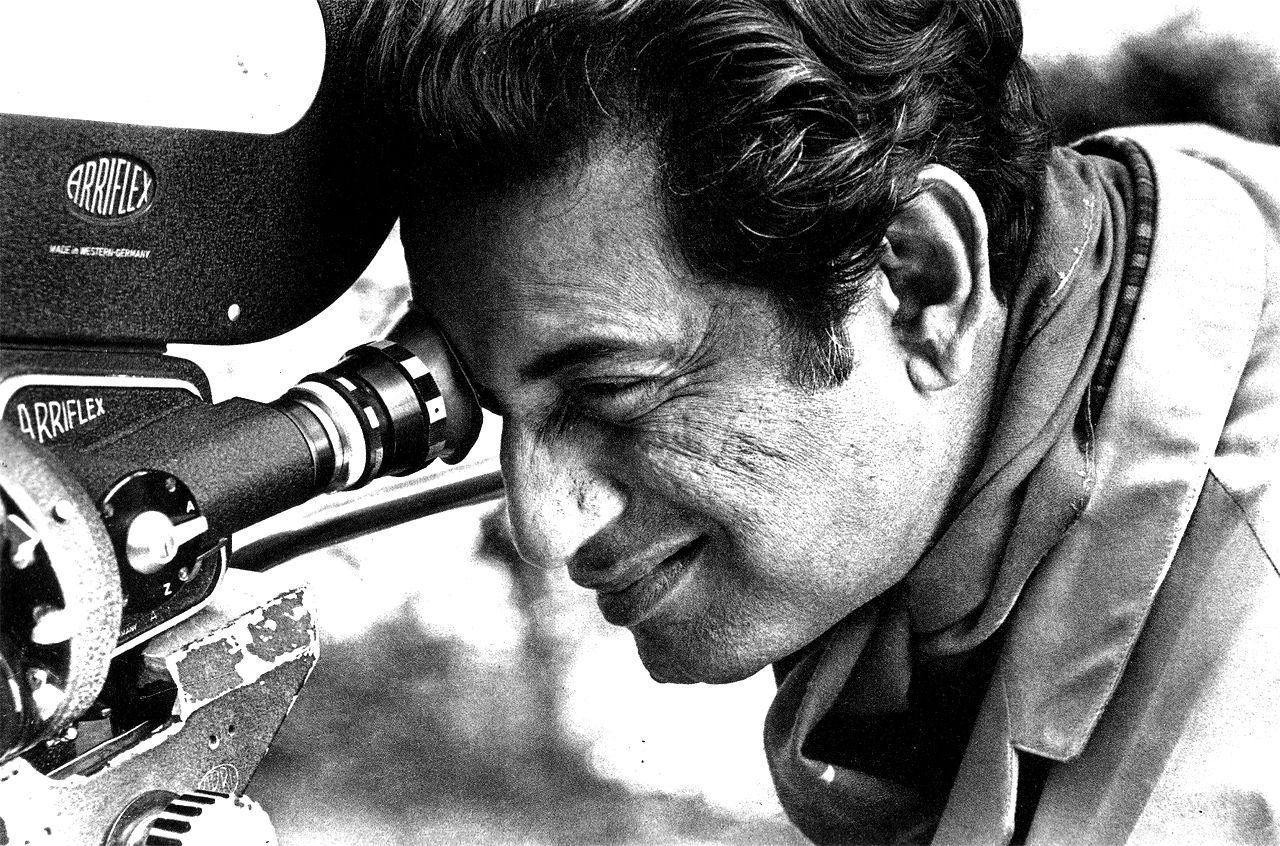
Satyajit Ray At Cannes: Aranyer Din Ratri To Shine With Wes Anderson And Sharmila Tagore
This marks the fourth consecutive year that a restored India film is making its way to Cannes Classic section.
A one of a kind film director and screenwriter who did not rely on spectacle rather on the small, deeply human moments, Satyajit Ray, is once again at the heart of the conversation at Cannes 2025. The film festival's tribute to Ray through the Cannes Classics section is more than a nostalgic gesture.
A reminder to cinephiles, the 4k restoration of Aranyer Din Ratri by Martin Scorsese's Film Foundation in partnership with the Film Heritage Foundation, Janus Film reflects the power of stories beyond the clutches of time that lead to shaping of global cinema. The 1970 classic has always held a mirror up, mirroring the human nature in all its contradictions.
Considered Ray's most layered and underrated works, Aranyer Din Ratri (Days and Nights in Forest) follows four friends from Calcutta as they retreat into the forests of Palamau for a carefree holiday. What begins as lighthearted adventure soon unravels into a deeper examination of class, desire, and the performative nature of masculinity.
Set for a screening at this year's Cannes Classics, the film will be presented by Ray's devoted admirer for many years, Wes Anderson, and actress Sharmila Tagore, who played the unforgettable Aparna in the film.
The forest in Ray's film, leads to the unravelling of leadership structure that on the surface is patriarchal. As the journey progresses the four friends have to face their fragile masculine authority against the irrational forces of nature and tribal spirituality, presenting the clashes of primal fears with control, sense of urban security with insecurity amidst nature.
You May Also Like: 18 Incredible Must-Watch Films That Made Their Way To Cannes
Aranyer Din Ratri (Days and Nights in Forest) also reflects the collapse of performativity of masculinity under psychological pressure. The male characters in postcolonial contexts are disconnected from Nature and their own emotions, leading to a masculine failure to integrate vulnerability, emotion, and intuition.
This is the fourth consecutive year where Cannes Classics have presented a restored Indian film at Cannes Film Festival. Highlighting the growing interest in Indian cinema by global audiences, the restorations of films by reverred Indian directors like Shyam Benegal, G. Aravindan, and Ray reaffirms our films' reach and recognition of the restoration movement.
Here are the 3 films previously screened at Cannes Film Festival:
Thamp (1978)
Presented at Cannes Classics in 2022, G. Aravindan's Thamp is a meditative. allegorical portrait of a travelling circus troupe that sets up camp in a Kerala village. Aravindan reflects on impermanence, alienation through the film by keeping the dialogues minimal and visuals beautifully poetic. He depicts the fragile intersection of fantasy and harsh reality through a documentary-like gaze.
You May Also Like: Review: Netflix's The Four Seasons
Ishanou (1990)
Originally screened in the Un Certain Regard section at Cannes in 1991, the film by Aribam Syam Sharma was restored and screened at Cannes Classic in 2023. An exploration of spirituality, motherhood, and identity set in Manipur's unique cultural landscape, the film follows Tampa, a woman who abandons her family to become a Maibi (spiritual medium in ancient Meiti faith). Ishanou captures the tension between personal desires and the pull of mystic destiny.
Manthan (1976)
Starring Smita Patil, Naseeruddin Shah and Girish Karnad, Shyam Benegal's Manthan, a story of marginalised villagers uniting against exploitative middlemen through collective action, is a powerful visual examination of caste, gender, and rural oppression. Restored by the Film Heritage Foundation, Manthan was screened in 2024 at Cannes Classics.
You May Also Like: Here's How Streaming Is Writing Its Male Characters