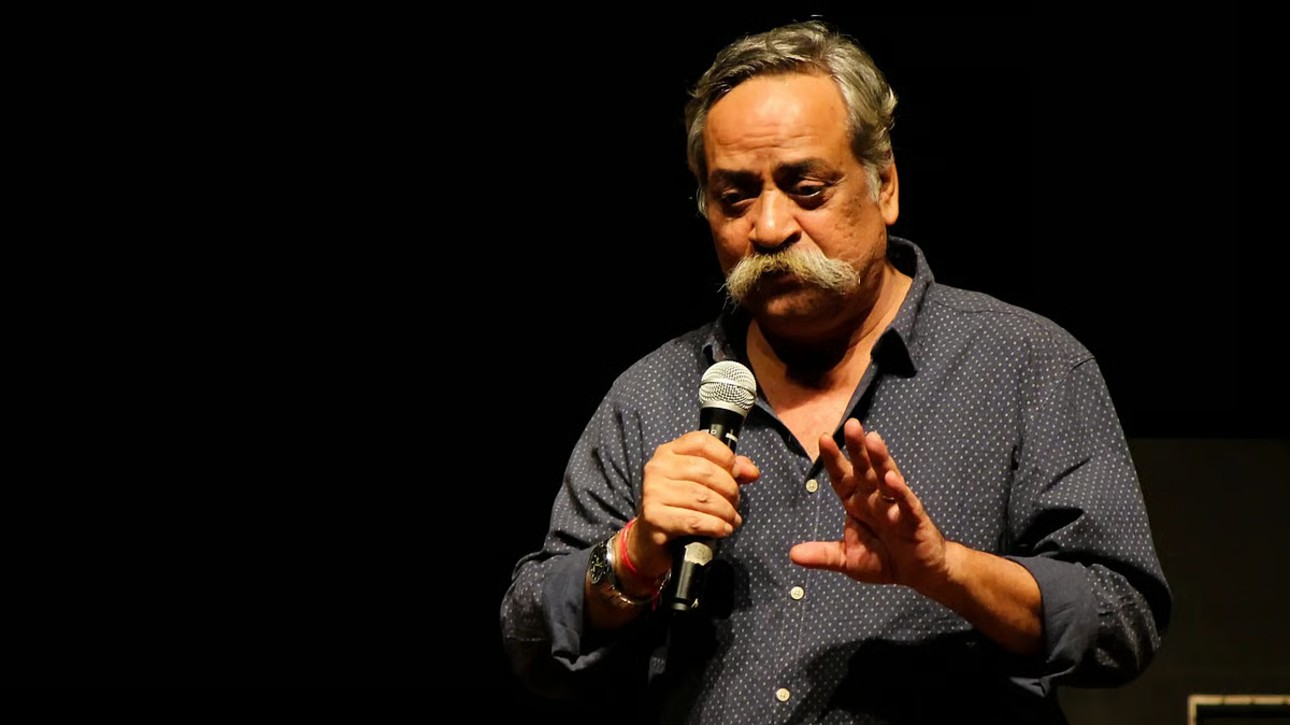
Piyush Pandey, The Man Behind The Ad Boom In India, Dies
Here are the most famous five ads by the man behind the ad boom in India
It’s hard to measure the death of a man who made a billion people hum the same tune. On 24 October 2025, India lost Piyush Pandey — the moustached maverick who turned advertising into storytelling, brands into emotions, and jingles into folklore. For over four decades, Pandey was more than Ogilvy’s creative head — he was Indian advertising’s beating heart, translating our messy, multilingual, magnificent chaos into thirty-second symphonies.
Before Piyush, advertising in India mimicked the West — foreign faces, Queen’s English, imported aesthetics. After him, it spoke the language of the street, the kitchen, the cricket field, and the living room. His work didn’t sell to people; it spoke to them — in idioms they grew up hearing, in songs that felt like home. He gave us Fevicol’s humour, Cadbury’s unrestrained joy, Asian Paints’ nostalgia, and Vodafone’s innocence. Through it all, Pandey made the ordinary feel extraordinary — and in doing so, created an advertising grammar that was proudly, unmistakably Indian.
In the boardroom, he was a legend; on set, a storyteller. Pandey once said brands should be “built like birds build nests — twig by twig.” His twigs were words, intuition, and culture. The nest he built was modern Indian advertising.
As we look back on his legacy, here are five campaigns that define not just his genius — but the spirit of a country he helped advertise to itself.
“Kuch Khaas Hai” – Cadbury Dairy Milk
When Cadbury was fighting irrelevance in the early ’90s — its chocolate seen as “kid stuff” — Pandey gave it grown-up joy. The “Kuch Khaas Hai” campaign rewrote the rules of confectionery advertising with one jubilant, unselfconscious moment: a young woman biting into her Dairy Milk, then sprinting onto a cricket pitch to celebrate her boyfriend’s six. No glamour, no glitz, just raw, infectious happiness.
It won awards, sure, but more importantly, it won the country’s heart. Every time someone says “Kuch Khaas Hai,” they were quoting him.
“Fevicol Ka Mazboot Jod” – Fevicol
Fevicol was glue. Pandey made it mythology. Whether it was a bus bursting with passengers impossibly held together, or an egg that refuses to crack, the Fevicol campaigns were masterclasses in wit and simplicity. In Pandey’s hands, Fevicol transcended product to become cultural shorthand — a symbol of unbreakable bonds, both literal and emotional.
“Wherever You Go, Our Network Follows” – Hutch’s Pug Campaign
Few ads have achieved what one small pug did. “You and I, in this beautiful world…” — the song, the child, the dog, and the simple visual metaphor of connection. In an era obsessed with technological superiority, Pandey sold network coverage through love. The campaign became a phenomenon: pug wallpapers, merchandise, memes — India’s first true advertising mascot moment. Literally, everyone wanted a pug.
“Har Ghar Kuch Kehta Hai” – Asian Paints
If you grew up in the 2000s, this campaign probably made you tear up without knowing why. “Har Ghar Kuch Kehta Hai” took a category as mundane as paint and turned it into poetry. Pandey’s voiceover — warm, intimate, almost fatherly — invited viewers to see homes as living, breathing reflections of the people who inhabit them. He understood that in India, a house isn’t just walls — it’s identity, probably even legacy. The campaign’s emotional resonance reshaped Asian Paints’ entire brand philosophy and pushed them from being a paint company to a storyteller of Indian homes.
“Do Boond Zindagi Ke” – Pulse Polio
Pandey’s “Do Boond Zindagi Ke” campaign — voiced by Amitabh Bachchan — did what countless government efforts couldn’t: move people to act. The tone was direct, even accusatory — “Dhikkar hai hum par” — and it worked.
Mothers brought their children to vaccination booths because Amitji was angry. The campaign’s power lay in its empathy — and its urgency. It showed that the same emotional storytelling that could sell chocolate could also save lives.
Piyush’s real legacy lies in how he made India see itself — colourful, chaotic, sentimental, clever — and proud of it. His ads weren’t just commercials; they were mirrors. And every time we hum “Mile Sur Mera Tumhara” or quote “Fevicol ka jod,” we’re really celebrating the man who taught us that great advertising doesn’t sell a product — it tells a nation’s story.