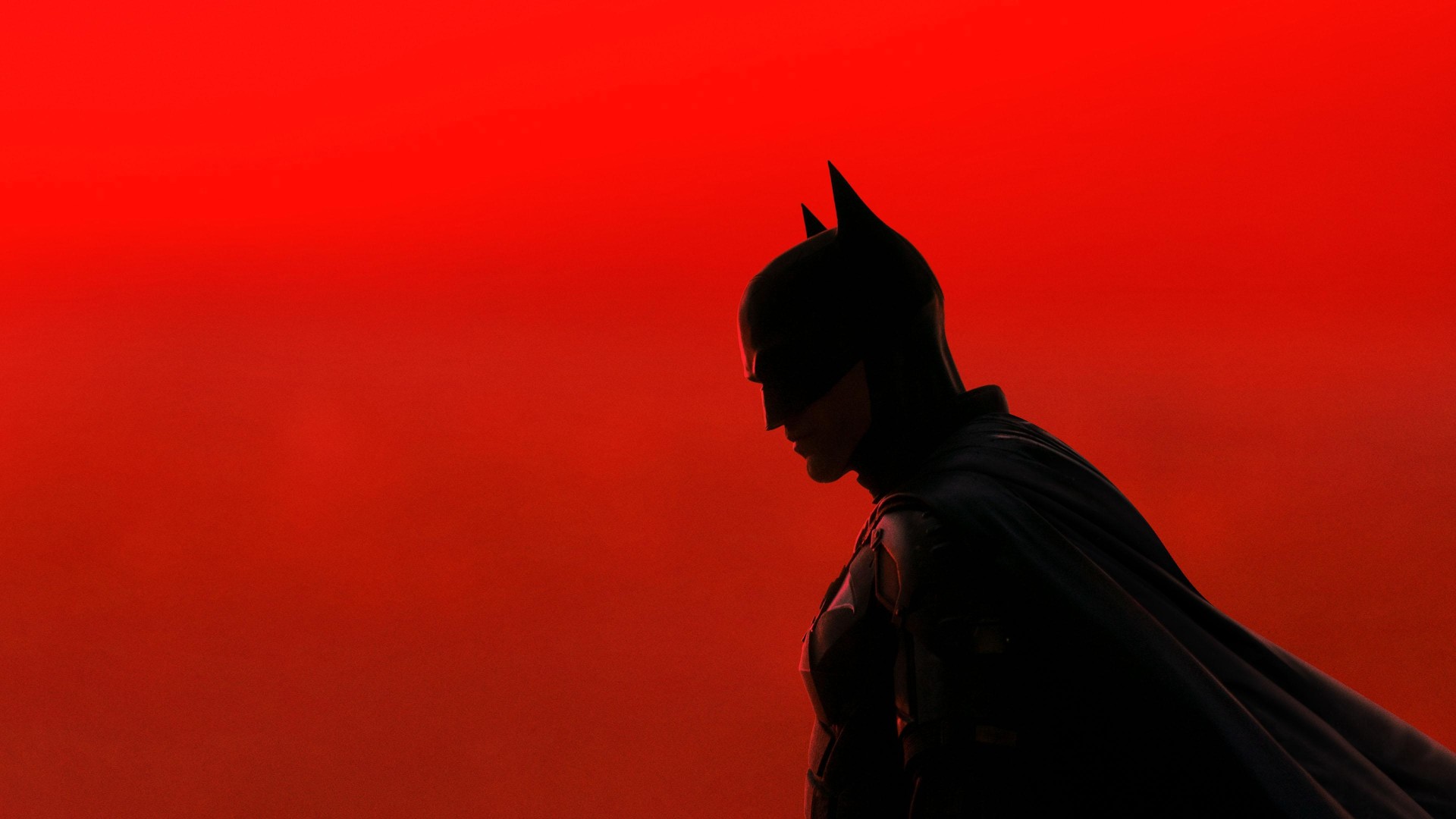
Everything We Know About The Batman Part II
Three years later, we finally have a roadmap for the sequel
It’s been three years since Matt Reeves dragged Batman back into the shadows — not the invincible billionaire playboy of past decades, but a rain-soaked detective in a city that felt like it was rotting from the inside out. Robert Pattinson’s The Batman didn’t just make $770 million worldwide; it redefined what a superhero blockbuster could look like in the middle of Marvel’s multiverse mania.
Now, after years of speculation, Warner Bros. Discovery has finally set a course for the sequel. The Batman Part II will begin shooting in spring 2026, with a theatrical release locked for October 1, 2027. Reeves handed in the script on June 27 this year — and according to DC Studios co-CEO James Gunn, only a microscopic handful of people have actually read it. “I think six of us have read the script,” Gunn said, cutting off any talk that plot details have leaked.
Of all the noise around the sequel, the loudest this year was the claim that Robin would make his debut in Reeves’ Gotham. It sounded like clickbait bait — a teenage sidekick dropped into a universe where even the lighting looks traumatised — but the story spread fast. Gunn, who has turned Threads into his personal rumour control centre, dismissed it outright as “nonsense.”
And yes, Gunn’s denials have been wrong before — his Superman ended up featuring elements he once swatted away. But given Reeves’ meticulous, grounded approach, the idea of a conventional Robin here still feels like a stretch.
Why We’re Waiting Five Years
The gap between the first and second films — a full five years — has been another flashpoint. Gunn has defended it fiercely, reminding fans that sequels often take longer than memory serves: seven years between Alien and Aliens, 14 between The Incredibles films, 13 between Avatars. But of course he came out and said: “People should get off Matt’s nuts… You like his movie because of Matt. So let Matt do things the way he does.”
In other words: the first film worked because it wasn’t rushed. The second one won’t be either.
Where It Sits in the DC Chessboard
The Batman Part II is not part of Gunn’s interconnected DCU. Reeves’ “Batman Epic Crime Saga” exists in its own continuity, free from crossover obligations. In the mainline DCU, a separate Batman film — The Brave and the Bold — will introduce Damian Wayne, Bruce Wayne’s son and one of the many Robins in comic lore.
Meanwhile, Gotham’s crime world is still expanding. The Penguin spin-off series, starring a near-unrecognisable Colin Farrell, has pulled in huge numbers for Max and scored 24 Emmy nominations. Farrell has hinted that talks for The Batman 3 are already happening.
The Bigger Picture
The Batman Part II isn’t just another cape-and-cowl instalment — it’s arriving in a very different cinematic landscape from 2022. Superhero fatigue is no longer a think-piece buzzword; it’s a box-office reality. Marvel’s once-untouchable formula has sputtered, and DC is undergoing a high-profile identity rebuild under James Gunn and Peter Safran. Reeves’ Batman films, however, stand apart. They’re deliberately siloed from the shared-universe machinery, built more like crime sagas than comic-book extravaganzas. In an era where audiences are increasingly wary of sprawling franchises demanding homework-level investment, that independence is a strength. The first film’s noir pacing, practical effects, and focus on investigative drama were a pointed contrast to CGI-laden city-leveling finales — and that restraint resonated with viewers looking for something moodier, more grounded. If Part II delivers on that same wavelength, it won’t just be another sequel; it could be a statement about how superhero cinema can survive in a post-saturation world: smaller in scope, sharper in vision, and uninterested in keeping up with the multiverse arms race.
If Part II sticks to that ethos, it won’t just be another comic book sequel — it’ll be a quiet argument for how superhero cinema can survive post-saturation: leaner in scope, sharper in vision, and confident enough not to chase the multiverse arms race.