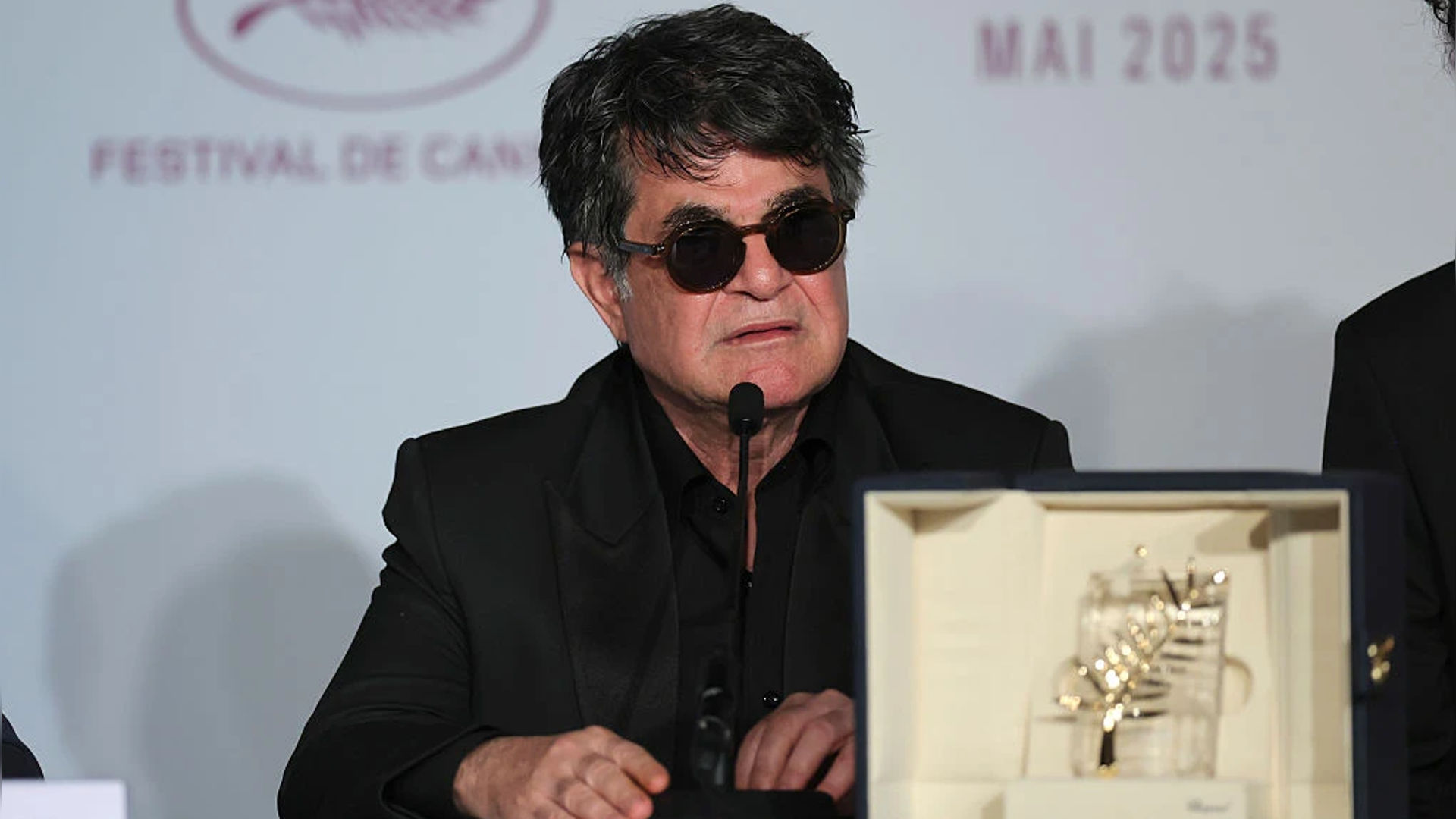
The 78th Cannes Film Festival wrapped in classic Riviera style this weekend: late-night applause and sunlit photo calls. But beneath the glam and gowns, Cannes 2025 was unmistakably a festival of reckonings — artistic, political, and deeply personal. It was a year where filmmakers returned from exile, narratives pushed against authoritarianism, and stories roared louder than the standing ovations they earned. Most importantly, the Palme d’Or went to a filmmaker who has spent much of his life being told he couldn’t make them.
Jafar Panahi’s Un Simple Accident wasn’t just a Cannes victory — it was a reclaiming. The Iranian auteur, long muzzled by the regime he critiques, walked back into the Lumière theatre after two decades away like a man who had never left. He accepted the award by Juliette Binoche. His speech, delivered with calm fury, hit like a manifesto: “Let us join forces. No one should dare tell us what kind of clothes we should wear, what we should do, or what we should not do.” If Cannes loves a political statement — and it does — this was the kind that cut through press junkets and red-carpet chatter to remind us why cinema still matters.
Elsewhere, familiar auteurs found new emotional textures. Joachim Trier’s Sentimental Value, which won the Grand Prix, swelled with the soft ache of memory and familial drift — a quieter film than his earlier work, but no less precise. And Brazil roared back into the spotlight with Kleber Mendonça Filho’s The Secret Agent, a political thriller set during Carnival that won him Best Director and earned Wagner Moura a richly deserved Best Actor nod. There were bold experiments too: a shared Jury Prize for Mascha Schilinski’s genre-defying Sound of Falling and Oliver Laxe’s meditative desert odyssey Sirât signalled a Cannes unafraid of risk. In a year packed with cinematic heavyweights and rising voices, the 2025 edition of Cannes reminded us that the most powerful stories are often the ones that speak truth — even when it’s inconvenient, especially when it’s urgent.
The Jury, chaired by French actress Juliette Binoche, surrounded by American actress and filmmaker Halle Berry, Indian director and screenwriter Payal Kapadia, Italian actress Alba Rohrwacher, French-Moroccan writer Leïla Slimani, Congolese director and producer Dieudo Hamadi, Korean director and screenwriter Hong Sangsoo, Mexican director, screenwriter and producer Carlos Reygadas and American actor Jeremy Strong, presented its winners’ list among the 22 films presented in Competition this year.
(L-R) Jury Members Didier Allouch, Payal Kapadia, Jeremy Strong, Alba Rohrwacher, Dieudo Hamadi, Jury President Juliette Binoche, Hong Sang-soo, Halle Berry, Carlos Reygadas and Leïla Slimani during the closing jury press conference at the 78th annual Cannes Film Festival at Palais des Festivals on May 24, 2025 in Cannes, France.Festival De Cannes
Cannes Film Festival 2025 Winners’ List
Palme d’Or: Un Simple Accident | Jafar Panahi
Panahi’s win wasn’t just overdue—it felt like destiny snapping back into alignment. Un Simple Accident is anything but simple: a razor-sharp, emotionally coiled meditation on life under an authoritarian regime that doubles as an allegory for fractured personal relationships. The film follows five characters who think they’ve identified the prosecutor who tortured them during their own arrests — but as they were all blindfolded in jail, none can be entirely certain their captive is the same man. It’s the kind of film only Panahi could make—shot with an almost uncomfortable intimacy, laced with irony, and brimming with quiet fury. And the fact that he could finally accept the Palme in person after two decades of repression made the moment seismic.
'Un Simple Accident' by Jafar PanahiFestival De Cannes
Grand Prix: Sentimental Value | Joachim Trier
Trier’s emotionally resonant family drama—anchored by stellar turns from Elle Fanning and Stellan Skarsgård—is the cinematic equivalent of rereading an old letter and crying without knowing why. The film centers on two sisters reconnecting with their estranged father, a renowned film director, after their mother’s death, exploring themes of grief, memory, and reconciliation. Sentimental Value may have missed the Palme, but it walked away with the festival’s heart—with a 15 minute standing ovation. Trier, ever the emotional archaeologist, mines intergenerational love, grief, and memory with astonishing delicacy.
Jury Prize (Joint): Sirât | Oliver Laxe & Sound of Falling | Mascha Schilinski
In classic Cannes fashion, the Jury Prize this year split itself between the mystical and the conceptual. Laxe’s Sirât is an otherworldly slow-burn that drips with religious symbolism and desert delirium—a film less interested in narrative than in the feeling of faith, decay, and transformation. Schilinski’s Sound of Falling, on the other hand, is the sort of film that Cannes juries have been increasingly embracing—formally experimental, temporally disorienting, but deeply rooted in lived history. Together, the two films signal the festival’s continued romance with risk and rapture.
Best Director: Kleber Mendonça Filho | O Agente Secreto (The Secret Agent)
Brazil’s Kleber Mendonça Filho has long been one of the smartest political dramatists working today, and The Secret Agent cements that reputation. The film, a taut political thriller set against the backdrop of Brazil’s military dictatorship, is both urgent and elegantly composed. Mendonça’s direction is the quiet force behind its relentless momentum, and Wagner Moura’s lead performance—awarded Best Actor—is nothing short of magnetic.
Best Screenplay: Jean-Pierre and Luc Dardenne | Jeunes Mères (Young Mothers)
There are few constants at Cannes, but the Dardennes taking home a prize is one of them. Young Mothers hones in on the intimate struggles of those systemically ignored: single mothers navigating state shelters and invisible violence. The screenplay is taut, humane, and unapologetically concerned with real-world suffering. In a year where more films opted for the abstract, the Dardennes reminded us that the everyday is still revolutionary.
'The Secret Agent' by Kleber Mendonça FilhoMinerva Pictures
Best Actress: Nadia Melliti | La Petite Dernière (The Little Sister)
Melliti’s win feels like a breakthrough moment. In Hafsia Herzi’s The Little Sister, Melliti inhabits the character of Fatima—a young woman grappling with identity, autonomy, and familial resistance—with breathtaking precision.
Special Jury Mention: Resurrection | Bi Gan
Only Bi Gan could make a self-reflexive ode to cinema feel like a metaphysical fever dream. Resurrection is abstract, elliptical, and borderline hypnotic—but it’s also one of the most daring works to screen this year. With its layered timelines and visual grandeur, it’s less a narrative than an elegy for memory itself.
The Croisette may be where deals are inked and the red carpet shines, but this year, it also became a stage for resistance, return, and the radical idea that movies can still matter.