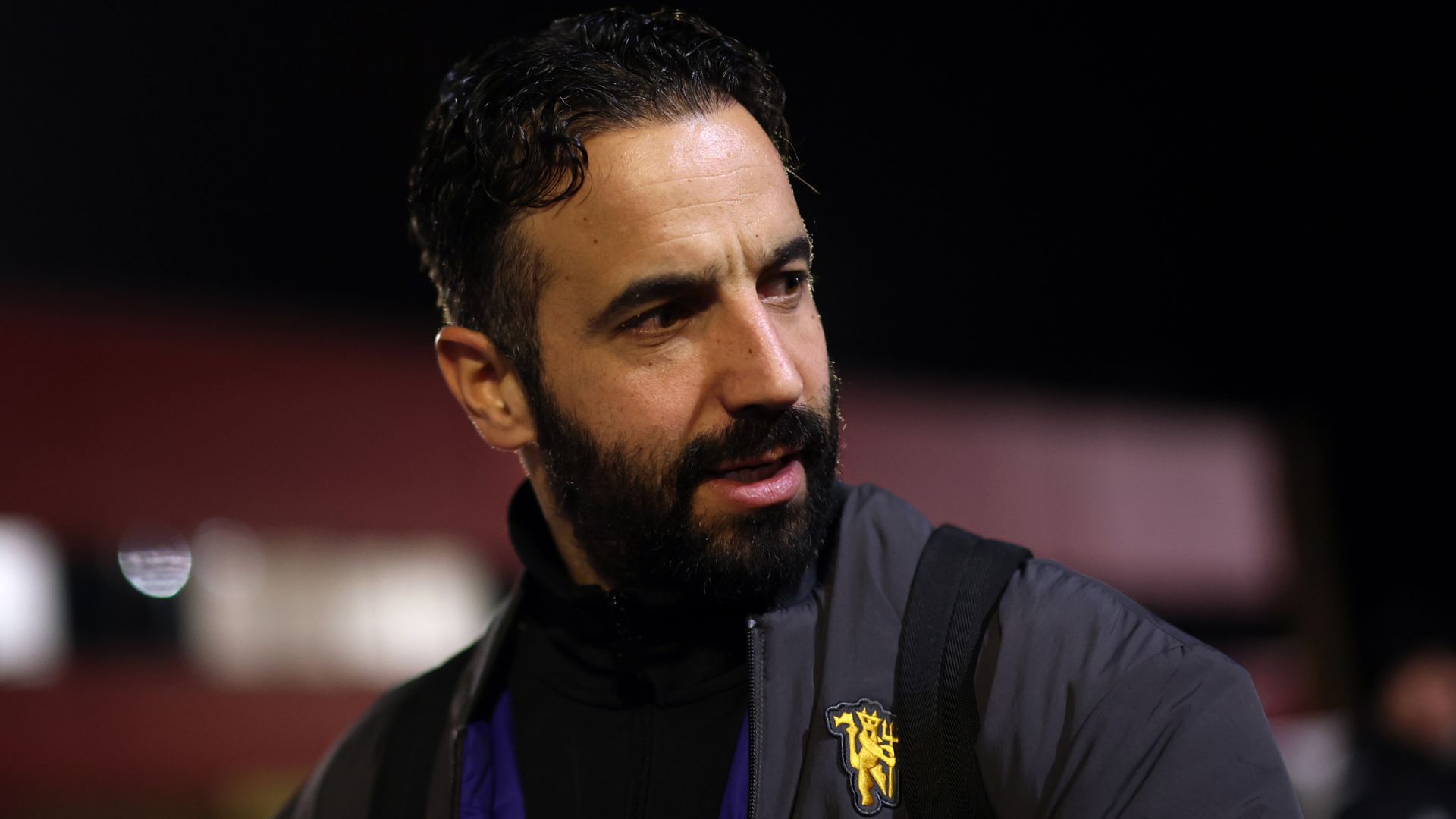
Sacking Ruben Amorim Is The Least Of Manchester United's Problems
The myth of the "impossible job" writes itself
Ruben Amorim was 39 when, in November 2024, he was announced as Manchester United's first head coach in fifty-five years.
At the time, he was among Portugal’s most successful coaches, the rising star in European coaching who could bring Man Utd. back from its slump. As the coach of Sporting CP, he had broken Benfica and Porto’s dominance in Portugal, guided the club to two domestic titles and had been high on the lists of Liverpool and Barcelona during their own search for a new coach. With the new INEOS-led hierarchy making way for a modern footballing structure at the club, the goal was to do something like what Mike Arteta did when he was appointed as the head coach of Arsenal.
For Manchester United, however, the head coach title has been a bit of an ominous thing: Wilf McGuinness had held the title when he took over form Sir Matt Busby. His stint that followed was infamously underwhelming. For the Portuguese coach, too, it didn't prove any different.
In fact, the very things that made Amorim the next big thing in coaching became a nail on his grave at Old Trafford. His consistency turned into inflexibility when he hammered down on his favoured 3-4-3 formation, even though it proved impractical for the team. The confidence that had him hailed as a charismatic speaker lent itself into PR debacles when he spoke from his heart. In just one year of being the coach, he admitted he was not doing good enough as a manager and called his team the worst in the club’s history, among many others.
It was a disastrous addition to a team that was already unsure of itself, and the new coach’s insistence on continuing with his plan in the hope that a “short term suffering” was a necessary evil to long term success saw United hobble through the 2025-26 season with very little to show. Manchester United slipped to a record-low fifteenth in the 2024-25 Premier League seaon, with the Portuguese coach having the lowest average of all United managers in the Premier League era at only 1.23 points per game and winning only 38.1% matches in the fourteen months period he was with United.
All that culminated to his crash out on Sunday after the disappointing draw at Leeds. At the post-match interview, Amorim said that he was there to be the "manager of Manchester United, not the coach", and called out the club's scouting department and sport director Jason Wilcox to "do their jobs" with the hires. Within 24 hours, Ruben Amorim was sacked from the club.
But the crisis at Old Trafford is not just Amorim's own to profess to. Amorim has been the 10th manager since Sir Alex Ferguson retired in 2013 to find himself at the receiving end of the Manchester United dumpster fire. Ferguson's handpicked successor, David Moyes, shrank under the criticism within only ten months into the job. Van Gaal fought it with control and rigidity till everyone from the players and bosses to the fans tuned out. Mourinho tried to steady the ship, but arrived when his authority no longer carried the same fear or respect. Solskjaer survived on goodwill until personality and presence became unavoidable shortcomings. Erik ten Hag and Amorim both bristled at criticism that comes with heading the most talked about football team in the world.
In Amorim's case, however, Sir Jim Ratcliffe tried end the chaos by taking power away from the manager and redistributing it upward. That was the correction United believed would finally free the dugout from the impossible standards set by Sir Alex Ferguson’s all-encompassing reign.
But structure alone does not fix dysfunction. INEOS insulated the coach from decision-making responsibility, but not from the consequences of those decisions. The pressure of being in the impossible role remained toxic, amplified by a club mythology policed by fans and pundits. So, when performances dipped, it was still Amorim facing the weight of a fanbase conditioned to look to the dugout for answers while questions about recruitment coherence, player mentality and accountability inside the squad remained largely unresolved.
Manchester United’s problem is not that they keep hiring the wrong coaches. It is that they keep asking coaches to fix a broken ecosystem. Until the club is willing to confront uncomfortable truths about its players, leadership and culture, the next appointment will follow the same script.
Head coach or manager, the job will remain the same impossible role, and the cycle will continue.