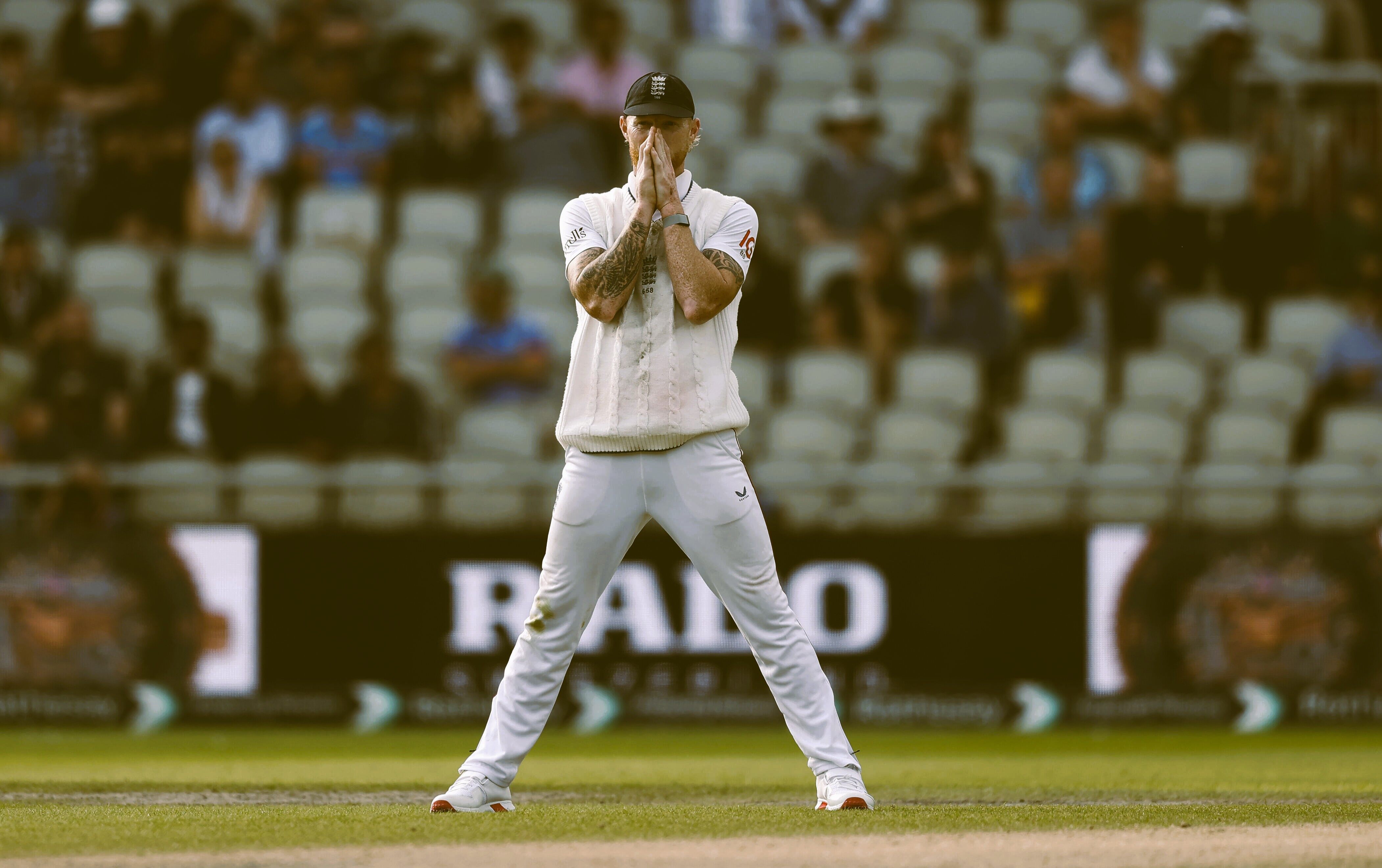
It's four tests down in the Anderson-Tendulkar Trophy, and after a messy close of play on Sunday, India scraped through with a draw. Captain Shubman Gill and KL Rahul batted slow and long, denying England any further inroads after a scary double whammy in the first over of the fourth innings on day five. And then, Ravindra Jadeja and Washington Sundar got stuck in, compiling prestigious away hundreds apiece.
What I've been avoiding saying so far is—England blew it. After dominating most of the game through their first innings, they had a chance to strategise and put India in a really untenable position. They had a chance to dictate terms, to push for a win on their own terms, and instead, they chose to coast. This wasn’t just a missed opportunity, it was a straight-up bottle-job dressed up in a woolly Bazball jumper.
Here’s the theory: if England had actually wanted to play with clarity and purpose, they could’ve gone in hard after reaching a point of control in the first innings. Once set, they could’ve bazballed their way to around 558 (a 200-hundred run lead over India's first innings total), not dawdled their way there. They’d have taken fewer overs, freed up at least another session, and left India exposed—at a stage in the match where “draw” wouldn’t even have been a realistic objective. You don't give India a free pass to settle into a siege mentality. You crack them open when they still think there's something to lose.
Even a 200-run lead wouldn’t have imperiled England. Let’s say India scored 400 in the second dig, instead of the 425/4 they ended up with—England would still have had a gettable total in sight. Remember their home track record chasing 360+? That’s their game. And if a collapse happened? Fine, pull the shutters and go for the draw. But on their terms, not from the back foot, not like this.
Instead, England did the one thing that makes no sense—they got greedy and conservative at the same time. It’s a combination that only looks clever in hindsight when you’ve already let the match drift past your grip. By the time they were at 544/7 in 135 overs, they still chose to stretch the innings to 669. But that extra stretch—from 544 to 669—took 22 overs. So what’s the trade-off here? You wasted a session and got 125 useless runs on a surface that was dying.
Had coach McCullum and skipper Stokes strategised about closing it out with a 200-odd lead early when they had compiled 500 by the 120th over, they could have ended up putting India into bat in a way more precarious position. The first two might not have gone for naught like they did eventually, but England could have still backed themselves to bowl India out for 420-odd (especially given Rishabh Pant's dire straits owing to a terrible injury) under still-cloudy skies. If we've learnt anything about test cricket, more time means more uncertainty in a fourth-innings scenario, and modern-day mindsets don't allow teams to settle for draws too early into games.
With the passage of time, the pitch flattened out even more—something England could have benefited from, if it came down to chasing a sizeable total.
India's MVP Jasprit Bumrah not having the best of games should have also emboldened England to mind-game the visitors into a panic state. But like the rest of the series, Stokesy and his men seemed to be plying their trades in the wrong lanes. Having literally allowed two lower-order batters to get close to hundreds, you cannot whine about them rightfully trying to get to the glory mark, can you?
England had the chance to boss the game. But they ended up playing too meekly and treating runs like insurance. That's not what we've known the so-called Bazball era to be.