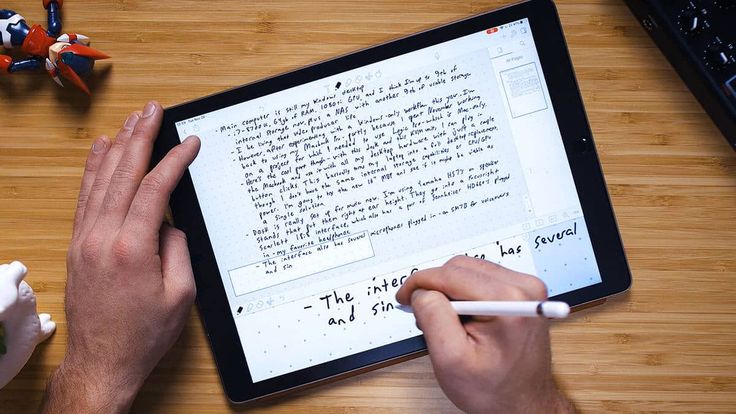
Will How We Write Matter In A Few Decades?
Those imperfect, personal marks made with pen and pencil, could never be replicated by technology. But in few decades, will writing neatly matter?
Back in school, neat handwriting was a badge of honour. If one didn't have it, the onus was on practicing it enough to perfect it. So, a variety of pens and pencils became part of this exercise to not just write but write well.
Remember how the teachers with their eagle eyes would hover over our desks, making sure each letter was looped just right, that no q's looked liked p's or b's looked like d's or t's. If handwriting wasn't pristine, the notion was that the kid wasn't smart enough, was seriously lazy, and worse lacked discipline.
Sure, writing the correct answers got you good grades, but for some unlucky schoolkid dodgy handwriting could knock back a mark or more. Of course, back then the moment of pride also held how neat the answer book looked.
You May Also Like: 8 Damn Good Pens That Deserve A Spot On Your Desk
Fast forward, to a world where increasingly you observe children attempting exams online and taking notes by fervently thumping the keys or worse audio recordings and snaps of notes, the pressure to writing neatly is the last thing that matters; its almost obsolete.
And perhaps, my jumping to the idea that the activities related to it are slowly dying out: Penmanship, calligraphy art, letter-writing, don't they all sound like things of a bygone era? The new generation hardly noticing it!
The slew of faster, more productive alternatives feel fitting than putting pen to paper. If you are jotting down a quick grocery list, you'll be surprised by how many times you'll be asked why don't you just use your phone? Its so much more convenient!
While I am not accusing anyone for making the art of writing neatly obsolete yet, the growing trend replacing learning math on paper by your computers is weirdly outrageous! Why?
You May Also Like: Writing History With Whimsy and Wes
Because, we are willing to potentially trade off a traditional skill in the future where we may not require a "well-written" documents, let alone think of a neatly presented mathematical equation, thanks to everything digitalised or AI-generated.
Is It Really Serious?
You might be wondering if precise penmanship really that important. Yes, and no. Let me explain why!
Science says physical act of forming letters, shaping words and connecting thoughts on paper actually boosts memory retention and understanding.
Writing well is a slow deliberate process that makes us think before we write. Generally speaking writing is a more personal act. Typing furiously on our laptops is automatic. It's easy to rattle off emails and messages, but how often what we're saying when we're staring at a screen?
No, on to the why I said no. As technology takes us into future, there may be little room for handwritten notes and gestures. Not worrying about writing badly and miscommunicating is boon. So much of our mental energy is expended trying to make perfect legibility (if you're still struggling with bad written script).
To feel like that kind of perfectionism is unnecessary, isn't subpar at all. The argument is about clarity, speed and most importantly getting the message across, isn't it?
Some even argue that the focus on perfecting elegant writing is such an arbitrary rule that has little connection with writing and digital tools are saviours. Content is king, right? Not the aesthetics of how it is written.
You May Also Like: Performance Meets Poetry In The iPad Air M3
Whatever side you might find yourself gravitating towards, one thing's for sure, freedom from good penmanship doesn't mean we've to entirely lose the human touch that comes with it. Every person has a unique way of writing. Like your DNA, no two writings are the same, unless you are a con artist trying to mimic.
In the end, it's not about abandoning handwriting altogether but finding a place for it in our increasingly digital lives. By embracing both the efficiency of technology and the beauty of handwritten communication, we can create a more balanced, more nuanced approach to self-expression.
But whether the future will find this skill useful is up for debate.