Why Yo Yo Honey Singh Is Betting On 2025
The rapper, who introduced contemporary hip-hop to Bollywood—is waiting to take over the world again
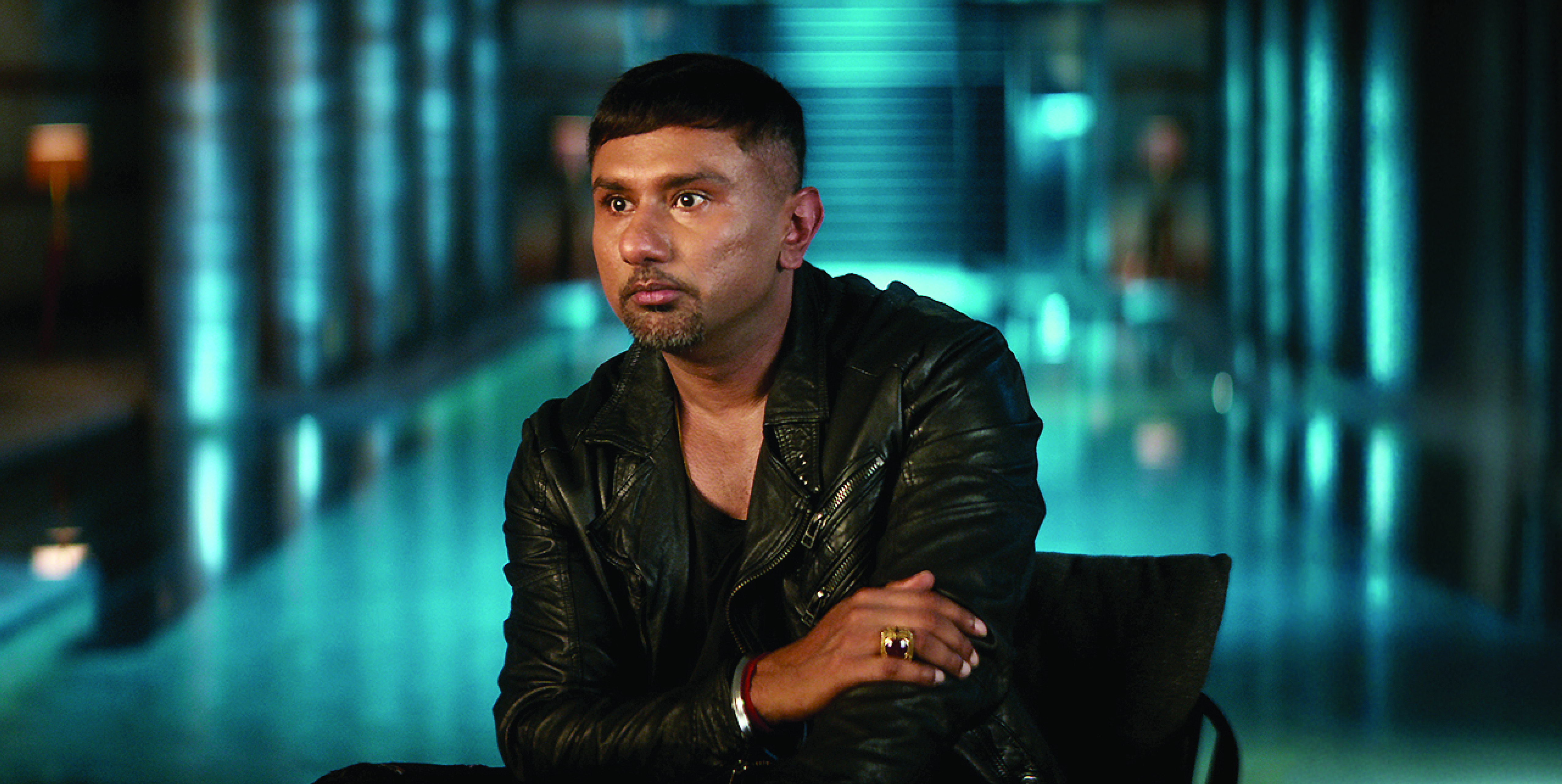
In a recent podcast with comic and YouTuber Tanmay Bhat, Yo Yo Honey Singh revealed how Honey 3.0 (released in March 2024) was the toughest album of his career. Seven years in hibernation and the world around him had changed. He no longer knew the pulse of the audience. The fans who listened to him had come of age. Nothing he made seemed to strike a chord with the current lot. But as his closest superstar friend puts it, "Haar ke jeetne wale ko baazigar kehte hain," Honey Singh, too, is the Jack of his trade.
The foundation for the success of Punjabi hip-hop had already been laid in the previous decade. The 1990s had witnessed Punjabi music break regional boundaries and become a part of mainstream cinema. Albums by Daler Mehndi, Hans Raj Hans, Jasbir Jassi, Sukhbir brought them international fame. With the dawn of the new millennium, new trends in music emerged that catered to younger millennials. It was the first time when Indian pop music witnessed a rap explosion—graduating from Baba Sehgal (in the 1990s) to the likes of Honey Singh and Bohemia. When Khadke Glassy released in 2006, it was an instant hit. Honey Singh presented the rapper that the audience wanted to see—he became the new cool. Scores of youngsters dreaming of a career in rap and music went on to imitate his style of dressing—cap, loose t-shirts, chains and a carefree attitude. It was also the time the biggest Punjabi pop star of the country at present, Diljit Dosanjh had released his first (Panga in 2009) but Honey Singh, Jazzy B, Bohemia’s music did little to make Dosanjh shine back then.
Then came the 2010s. Honey Singh’s fame knew no bounds. Blue Eyes, Brown Rang, Sunny Sunny, Dope Shope, Lungi Dance, Yaar Na Miley, Angrezi Beat—the singer delivered one hit after another. The biggest names in the industry swore by his music—Amitabh Bachchan, Shah Rukh Khan, Salman Khan. He was unabashed, controversial but could not be ignored. He climbed the ladders of success and then disappeared on the top.
Filmmaker Mozez Singh, who directed the documentary on Honey Singh, says for the pop singer, it was quite tough, talking about this dark phase of his life. “It’s never easy when you go with a camera crew. It’s a process, there are all kinds of questions. It would be difficult for anyone to be vocal and candid but you have to build a process of making the other person feel comfortable in your presence. If he wasn’t comfortable answering the questions, I would wait and ask him once again. So we have every detail of life, all thanks to him. He was very cooperative and collaborative. He knew the questions could trigger him or could be controversial but he let me do my work.”
The documentary captures Honey Singh’s rise, his battle with bipolar disorder and his hectic work schedule that aggravated this condition, forcing him to go on a break. His battle with alcohol, weight gain and then a prolonged divorce battle further delayed his comeback.
Guneet Monga, producer and mastermind behind Sikhya Entertainment, which produced the documentary, says that everybody has danced to Honey Singh’s music and knows the lyrics by heart. “He doesn’t stand out among Punjabi singers but he runs the Punjabi music scene. Blue Eyes, Brown Rang... whatever he touched became gold,” she says, adding that he came out of too many controversies and that is what they were interested in documenting.
However, the vacuum he left behind then was soon filled by Badshah and newer Punjabi voices—Guru Randhawa, Harrdy Sandhu, Sidhu Moosewala, Meet Bros, Sunanda Sharma, Garry Sandhu and so on—emerging from Punjab. Classics were reimagined for new films—Sauda Khara Khara, Kala Chashma, Suit Suit, Lehenga made their way into Bollywood films while new compositions were in demand. Punjabi songs became the recipe for successful films. They were groovy and understandable by the non-Punjabi speaking audiences.
In the past five years, Punjabi music’s popularity has grown beyond Bollywood—thanks to the Canada phenomenon, the concert culture propagated by it and international collaborations. Diljit Dosanjh’s collaboration with Sia and Ed Sheeran, Karan Aujla’s collaboration with YG for his song Gangsta, are few examples of how global artists are now willing to experiment with Punjabi music.
According to Dosanjh’s manager Sonali Singh, the singer generated close to ₹234 crore during his Diluminati Tour in North America. AP Dhillon’s Brownprint Tour in India in 2024 and Karan Aujla’s It Was All a Dream Tour, too, have generated enough buzz among fans and a high demand for tickets, with fans ready to buy from resellers at higher prices. From Diljit headlining Coachella in 2023 to selling his concert tickets in seconds and even causing BookMyShow’s website to crash—India was waiting for its own desi concerts to take over.
As for Honey Singh, as he announced his Millionaire India Tour, hoping for a big comeback, his sister believes he will indeed succeed. “If he can come back thrice, he will come for the 1000th time,” she says. For Mozez, Singh is an iconic pop star who started the culture of Punjabi music in Bollywood and his authentic, unguarded story will make way for his big return to pop culture this year.