- Entertainment
- Style
- Lifestyle
- Food & Drinks
- Tech & Auto
- Culture

We're four months into 2026, but don’t worry, the year’s biggest literary swings are still ahead of us. The next stretch (between May and October) is stacked: Pulitzer winners are returning to the well, there’s a famous sequel-of-sorts, and a long-rumoured second novel is finally arriving.
A note before we begin: this list skews toward fiction, and toward writers we'd happily follow into a bad cover and a worse title. We've left out the stuff already on shelves (sorry, George Saunders fans—Vigil dropped in January, go grab it). What's left is what we'd actually pre-order.
Seventeen years! That's how long it's been since The Help. Stockett's second novel lands in Oxford, Mississippi in 1933—Prohibition's just ended, the Depression's just settling in, and a sisterhood of women decide they've had enough of being underestimated. The hype is enormous and the pressure must be unreal, but early reads suggest she's made the wait worth it.
Haig is doing it again. Same universe as The Midnight Library, different vehicle—this time a magical train that ferries the dying back through the moments that mattered. Wilbur, our protagonist, wants to return to his honeymoon in Venice and live differently. Spoiler: that's never as simple as it sounds.
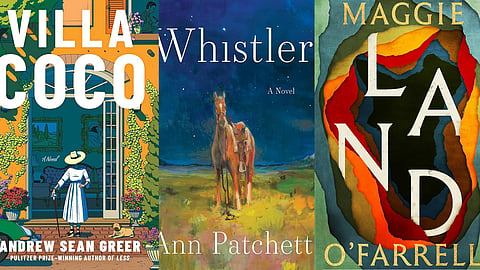
Patchett has hinted this might be her last novel, which is honestly a gut-punch. Whistler is about Daphne, a 53-year-old woman who runs into her former stepfather at the Met, decades after one fateful event ended their brief shared life.
The Hamnet author swaps Elizabethan England for 1860s Ireland, where a father and son are mapping the country for the British Ordnance Survey, in a landscape still hollowed out by the Great Hunger. Inspired, apparently, by O'Farrell's own great-great-grandfather. Sweeping, elemental, and—if the early reviews are to be believed—possibly her best yet.
The man who won a Pulitzer for making us laugh (Less, 2018) returns with a "bawdy Mediterranean ballad" about a directionless young man taking a job as the all-purpose adjutant to a 92-year-old Italian Baronessa in a crumbling Tuscan villa. Greer's pitch includes "deep knowledge of focaccia.” Charming, sun-soaked, and perfect for the summer.
Worth a heads-up: this is not a Murakami novel. It's a slim, 80-page personal essay—originally published in The New Yorker in 2019—about his father, the war, twenty years of estrangement, and the cat of the title. The collection has been translated by his longtime collaborator Philip Gabriel.
AI generated summary, newsroom reviewed