What If Good Art Doesn't Have To Hurt?
Taylor Swift is finally happy, and pop culture is confused
The new Taylor Swift album dropped last Friday, and the world reacted like it always does — with immediate, contradictory fervour.
Within hours, I had messages ranging from “she’s lost her edge” to “give it two listens, it’s secretly genius.” Somewhere between “it’s lazy” and “it’s making me cry,” I wondered: why isn’t her album working? Why isn’t it hitting everyone like it always has? And then it hit me: maybe the problem isn’t the music. Maybe it’s that Taylor Swift is happy now.
Because, culturally, nobody really knows what to do with a content artist. Happiness, in pop culture, is the creative equivalent of decaf — fine for your blood pressure, but where’s the thrill? The myth goes that great art comes from suffering, that you have to bleed a little for it to mean something. Which sounds poetic, until you remember most of us can’t even answer emails while mildly hungover, let alone make a double album.
But, if you’re not bleeding on the canvas, were you even trying?
And yet, this idea persists — that art is born only in the wreckage. It’s practically canon. Van Gogh had to lose an ear. Sylvia Plath had to lose herself. Amy Winehouse was destroyed by what made her famous, and the industry mourned her brilliance as if her pain was a necessary sacrifice. Even Kanye once claimed he couldn’t make Dark Fantasy-level music while medicated, as though sanity dulled his genius.
It’s an intoxicating story, the tortured artist myth — part romance, part cautionary tale — and we eat it up. But it’s also, frankly, bullshit. Pain doesn’t make artists better; it just makes them easier to mythologise. It’s easier to write “a genius undone by his demons” than admit that sometimes genius is just hard work, curiosity, and an unhealthy amount of caffeine.
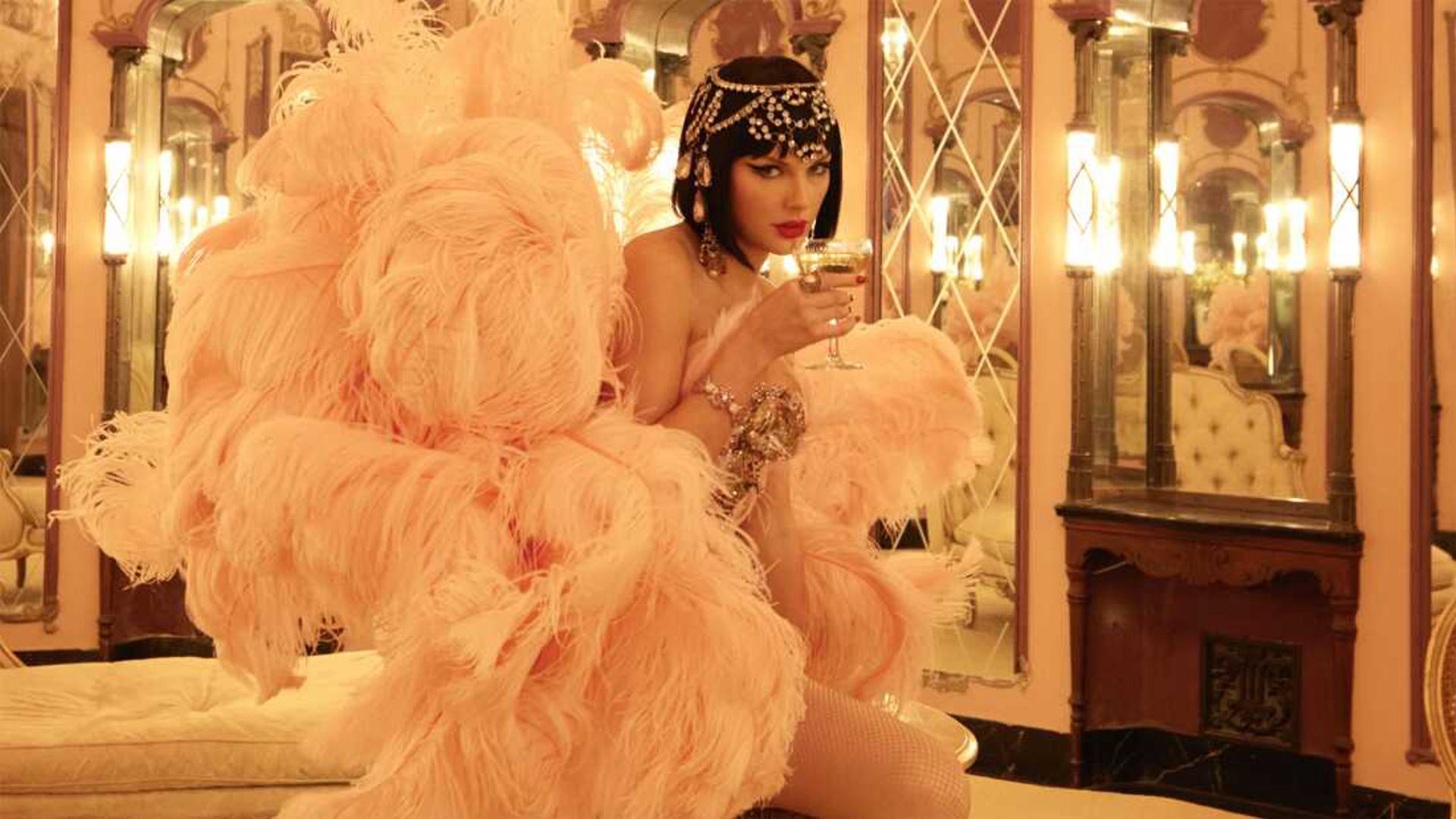
Swift, in this sense, has always been a fascinating test case. Her discography is basically a timeline of emotional states. Breakup? “Red”. Rage? “Reputation”. Self-actualisation? “Lover”. Existential exhaustion? “Folklore” and “Evermore”. When she broke up with Joe Alwyn and announced her album, the world practically swooned. And now — engagement, stability, and “The Life of a Showgirl” — a record that feels… well, fine. Not bad. Just suspiciously well-adjusted. Which, to the modern listener, reads almost like creative decline.
The songs shimmer, but the heartbreak’s been ironed out. For an artist who’s built an empire on emotional autopsies, that’s practically disorienting.
Happiness doesn’t sell because happiness doesn’t spiral — and art that doesn’t spiral feels, to us, like it’s standing still.
The truth is, stability rarely inspires feverish fandom because it’s hard to mythologise. There’s no aesthetic to “healthy communication.” No bridge line about “emotional regulation.” No catharsis in contentment. But that doesn’t mean it’s empty. If anything, maybe it’s the harder kind of art to make — to write from clarity instead of chaos, to create from understanding instead of reaction.
There’s this belief that pain produces authenticity — that joy must somehow be fake, or flat. But pain doesn’t deepen the art; perspective does. Suffering might give you material, but it doesn’t give you form. The work still depends on skill, discipline, and the ability to translate feeling into something that endures. Van Gogh didn’t paint Starry Night because he was in agony — he painted it while recovering, because art gave his pain a shape.
Swift’s new album isn’t a collapse of talent; it’s a recalibration of purpose. You can feel her trying to write from somewhere new — not the battlefield, but the after. And sure, maybe it doesn’t hit like Red or Reputation. But maybe that’s the point. She’s no longer writing to survive; she’s writing to remember what survival felt like. That shift reads less dramatic but more human.
We love to say artists owe their best work to their suffering, but maybe the greatest art comes from making it out alive — from turning pain into memory, and memory into meaning. Maybe the next frontier isn’t the tortured genius, but the content one.
So no, The Life of a Showgirl isn’t Swift’s best work. But maybe it doesn’t need to be. Maybe it’s proof that the woman who gave us decades of heartache anthems finally got the peace she was writing towards. And if that peace makes for a slightly duller bridge, so be it.
We’ve had enough tortured geniuses. Let’s try celebrating the ones who made it out alive.