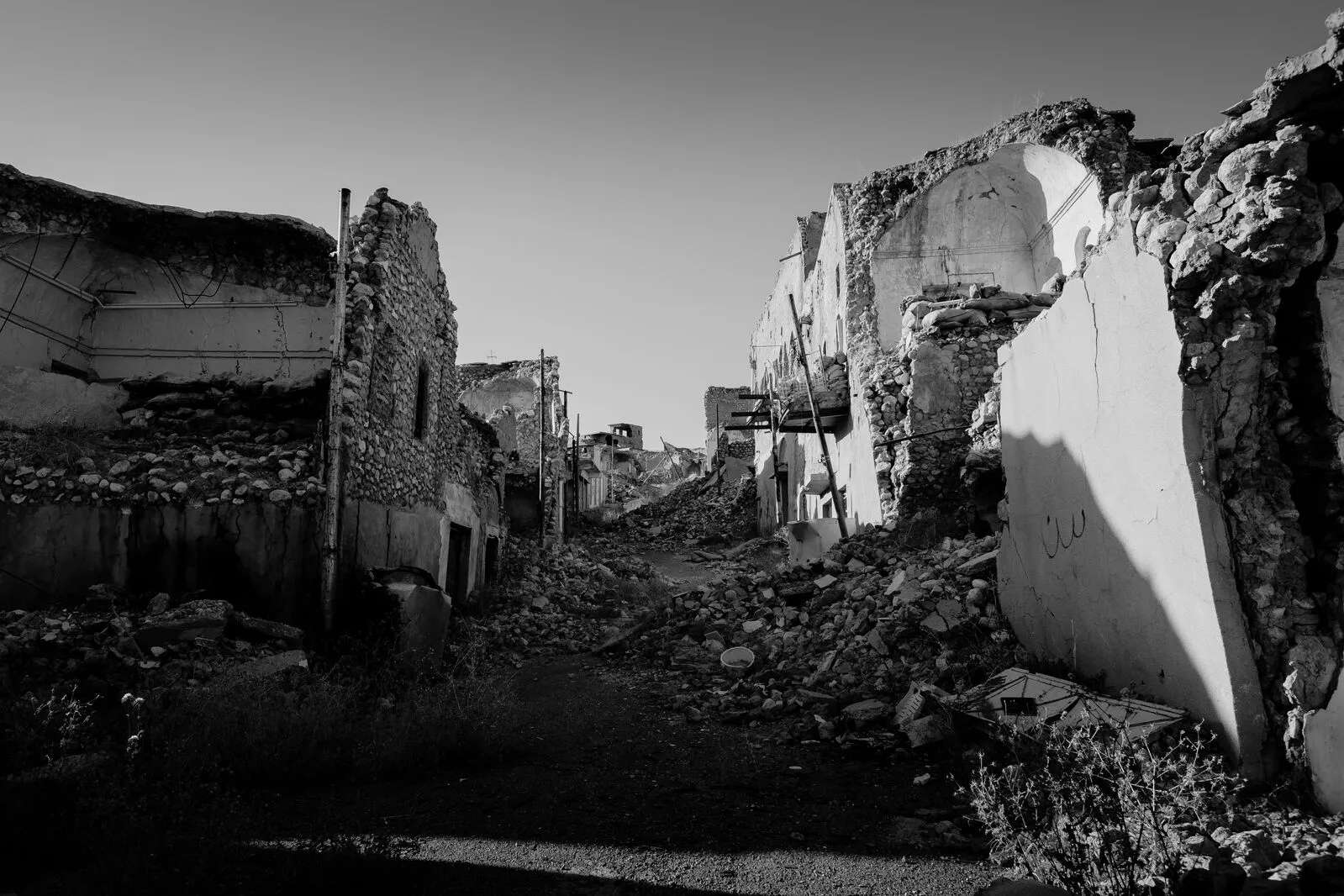
Should Memes Even Exist In A Time of War?
Anxious headlines warn of World War III; online culture turns the crisis into content
A new reality has dawned since the pandemic hit us in 2020. We're living in a moment where missile drop videos, bombing and funny videos following a pattern on the same screen space. One carries physical consequences and the other a perpetual power. Nonetheless, both create a hybrid battlefield where culture, technology and geopolitics collapse into a single infinite scroll.
And assuming you are not living under a rock right now (and hope you aren't) you know that as tensions between Trump- Israel and Iran intensify, the world is worried whether a potential world war is about to break open. But unlike the 1939 war, people are not anticipating what could happen, they're simultaneously getting the information on the go and even memeing it. Whatever happened to the saying' Make memes. Not war'...
It is a weird matrix to doomscroll through where reels about food are followed by videos created by AI about the latest missile drop, real headlines and 1 minute clips of a drone shot showing smokes coming out from the recently targeted airports in UAE and then as if this is all altered reality, one can't help but chuckle over a meme about Kim Jon Un not made part of the alliance or a famous advertisement around an Indian cement company meme-fied to depicts the geopolitics of the middle-east. Almost jarringly, a meme related to current affairs is not only ironic and absurd, maybe even funny to some.
The discomfort is immediate, nevertheless. So, should memes even exist in a moment like this?
War is not a joke. People are displaced, families are terrified, escalation carries consequences that extend far beyond the screen. Humour can appear callous, even decadent, in the face of suffering. But the existence of memes during crisis is neither new nor accidental. The impulse to caricaturise or the use of humour in intense situations such as this one has been described by psychologists as way of metabolising fear when events feel too large to process directly. Posting a meme about being “accidentally drafted” may mask genuine anxiety about instability. Irony can function as emotional insulation. We are not laughing because we don’t care; often we are laughing because the alternative is paralysis.
In fact, something called a memetic warfare exists- a term specifically coined to explain the phenomenon we are currently collectively experiencing. The concept of “memetic warfare” is rooted in Richard Dawkins’ original idea of memes as replicating cultural units and has evolved into a serious subject of study within information warfare. NATO analysts have described it as competition over narrative and social control in a social-media battlefield. Memes are efficient because they are emotional, compressed, and frictionless. They travel faster than fact-checkers and linger longer than official statements.
We’ve seen proof of concept before: coordinated troll farms amplifying pro-state narratives during Crimea’s annexation; fringe communities pushing memes into mainstream political discourse during U.S. elections; governments strategically deploying humor to counter disinformation during Russia’s invasion of Ukraine. Memes can function like IEDs in the information sphere — small, replicable devices capable of destabilising perception at scale.
So when meme cycles erupt alongside US-Israel–Iran escalation, it is naïve to assume they are entirely organic. Some are coping. Some are commentary. Some may be coordinated narrative shaping.
And as much as social media has normalised this public processing of trauma. We don’t just experience events anymore. We are, as one media scholar put it during the early days of the Ukraine war, “posting through it.” Memes have become shorthand for emotions we cannot articulate cleanly. They distill complexity into shareable fragments. Whether or not they are moral is a different tangent to the debate.
In that sense, meme culture is not peripheral to conflict. It is adjacent to power. So then, one must go beyond the existence of the concept to asking a more urgent question: whether we understand what role memes are playing.
Are they psychological relief or political satire?
Protest against one-sided narratives or are they part of a broader memetic battlefield designed to shape consent and confusion simultaneously?
Do we know whether we are laughing at the joke, people in power, or being maneuvered by it?