László Krasznahorkai Wins the 2025 Nobel Prize in Literature
Here's why it matters
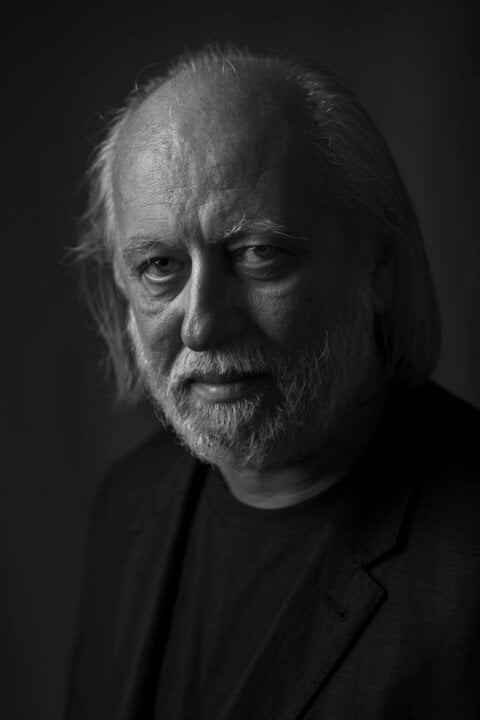
If you’ve ever tried reading a sentence that stretches over three pages without pause looping through dread, beauty, and absurdity, chances are you’ve encountered the Hungarian writer László Krasznahorkai.
Known for his haunting, apocalyptic visions and famously unrelenting prose, Krasznahorkai, 71, has long been a cult figure in the literary world. This week, he was officially vaulted into the global canon as he was awarded the 2025 Nobel Prize in Literature.
The Nobel committee praised him for a body of work that “reaffirms the power of art,” especially in the face of chaos and collapse. At 71, Krasznahorkai, a critically acclaimed author celebrated for his dense, visionary prose and apocalyptic themes becomes only the second Hungarian writer to receive the literature Nobel, after Imre Kertész in 2002.
Often praised for blending Western literary traditions with Eastern contemplative influences, his books showcase his mastery of long, winding sentences and philosophical depth, often exploring the tension between chaos and order, beauty and destruction and his narratives frequently feature marginal figures confronting collapse or transcendence.
But that's not all. Dubbed the “master of the apocalypse” by American critic Susan Sontag, Krasznahorkai’s influence extends beyond literature into film and opera, solidifying his reputation as one of the most significant voices in contemporary world literature.
What Did He Win It For?
The answer to that question lies not in a single book, but an entire career steeped in slow-burning genius. Krasznahorkai’s novels including Satantango, The Melancholy of Resistance, and the recent Herscht 07769 take the everyday decay of modern life and transform it into epic existential theatre. His narratives are often claustrophobic and bleak, but they shimmer with a kind of dark lyricism, a rare quality that critics and fellow writers alike have long revered.
His 2024 novel Herscht 07769, a 400-page single sentence narrated by a German graffiti cleaner writing letters to Angela Merkel, Former Chancellor of Germany, was seen as a tour de force and a warning against Europe’s creeping authoritarianism.
But Krasznahorkai has long rejected political labeling. “My resistance against the Communist regime was not political. It was against a society,” he once said.
In a year when the world feels increasingly unmoored, the Swedish Academy’s decision to honour a novelist of despair, paranoia, and apocalyptic undertones might seem like a bleak choice, but it’s also a deeply hopeful one.
Krasznahorkai’s fiction doesn’t offer easy answers or clean moral arcs. Instead, it immerses the reader in the granular madness of failing systems, both societal and personal. And yet, within the swirl of madness, he insists on the dignity of the individual even if that individual is a delusional electrician convinced he’s Hungarian royalty (as in his upcoming novel Zsömle Is Gone).
On Thursday, October 9, 2025, at the Swedish Academy in Stockholm, the literary world turned toward László Krasznahorkai. In a press room charged with expectation, Mats Malm, the Permanent Secretary of the Academy, announced that the 2025 Nobel Prize in Literature would be awarded to the Hungarian author. The award recognises his compelling and visionary body of work that explores themes of apocalyptic terror while affirming the enduring power of art.
“The Nobel Prize in Literature for 2025 is awarded to the Hungarian author László Krasznahorkai for his compelling and visionary oeuvre that, in the midst of apocalyptic terror, reaffirms the power of art.”
The Nobel Committee praised Krasznahorkai for his ability to combine apocalyptic terror with a reaffirmation of art’s power. His works challenge readers to confront chaos while recognising the transcendent nature of creativity.
Following the announcement, the Hungarian author took over the news with characteristic understatement: “I’m very happy, thank you,” he said to Swedish radio. When pressed about what lies ahead, he added, “I don’t know what’s coming in the future.”
Dear Krasznahorkai, neither do we, but we suspect it will include more sentences that wrap around the mind like smoke.